
Robot Pizza Dream Crumbles: Startup Picnic Shuts Down After Asset Sale
Seattle-based robot pizza startup Picnic has ceased operations, selling its innovative food automation assets to an undisclosed buyer, marking a significant moment in the evolving food tech landscape.
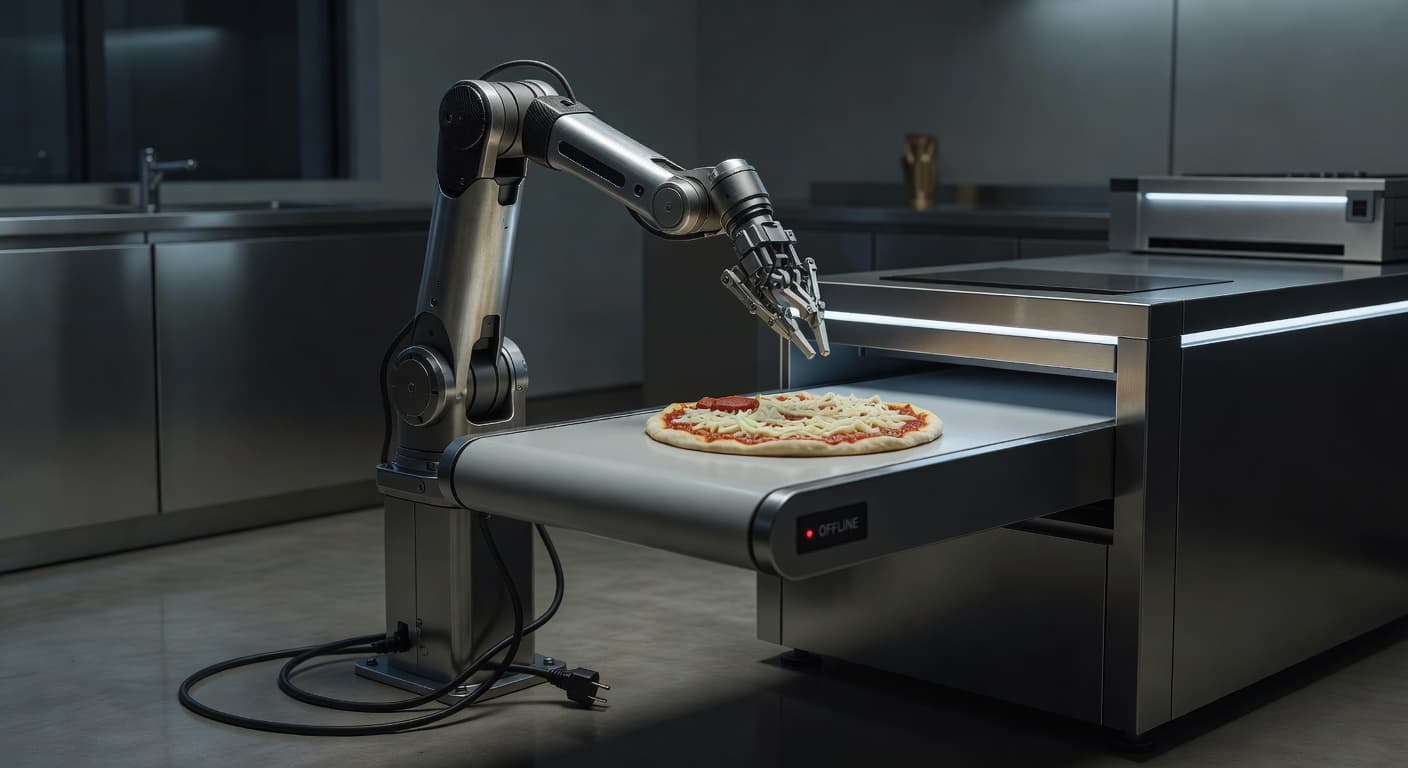
The Automated Culinary Dream Fades: Picnic Shuts Down
The ambitious vision of robotic pizza production has hit a significant snag as Picnic, a Seattle-based food automation startup, has officially ceased operations. Known for its innovative modular pizza assembly system, the company aimed to revolutionize the food service industry by bringing speed, consistency, and efficiency to pizza preparation. However, after years of development and pilot programs, the automated culinary dream has come to an an abrupt end, leaving many in the food tech sector pondering the future of similar ventures.
This closure marks a pivotal moment, not just for Picnic’s employees and investors, but for the broader landscape of food robotics. The company’s assets, including its proprietary technology and intellectual property, have reportedly been sold to an undisclosed buyer, adding an intriguing layer of mystery to its untimely demise.
A Glimpse into Picnic's Vision
Picnic's core offering was a robotic pizza making system designed to automate the most labor-intensive parts of pizza production. From dispensing sauce and cheese to adding various toppings, the system promised to churn out up to 100 pizzas per hour with minimal human intervention. This technology was particularly appealing to large venues, ghost kitchens, and restaurants looking to scale operations and reduce labor costs.
The startup had garnered considerable attention and investment, showcasing its capabilities at numerous industry events and even deploying its systems in select locations. Its modular design was touted as a key advantage, allowing for flexible integration into existing kitchen layouts, a significant challenge for many industrial automation solutions.
The Complexities of Culinary Robotics
While the allure of food automation is strong, the path to widespread adoption is fraught with challenges. Robotics in food preparation requires navigating complexities unique to the industry:
- Ingredient Variability: Unlike manufacturing identical parts, food ingredients vary significantly in size, shape, and texture, making precise robotic handling difficult.
- Hygiene and Safety: Food safety standards are stringent, requiring robots and their environments to be easily cleanable and compliant with rigorous regulations.
- Cost vs. Benefit: The initial investment in robotic systems can be substantial, requiring a clear and rapid return on investment that sometimes proves elusive in the price-sensitive food service sector.
- Adaptability: Kitchens are dynamic environments, and robots need to adapt seamlessly to changing menus, ingredient shortages, and collaboration with human co-workers.
Picnic's journey highlights these hurdles. Despite its innovative approach, the economics and operational realities of deploying and maintaining such advanced systems at scale likely played a significant role in its eventual closure. The market for fully autonomous kitchen solutions is still nascent and highly competitive.
The Mystery Buyer and Future Implications
The sale of Picnic's assets to an unnamed entity adds a fascinating twist to this story. While the identity of the buyer remains confidential, it suggests that the underlying technology and intellectual property still hold considerable value. This could mean a larger food tech company, a competitor, or even a traditional food service giant sees potential in integrating Picnic's innovations into their own strategies.
This acquisition could lead to the technology resurfacing under a new brand or being repurposed for different applications within the food automation space. It underscores the ongoing belief that robotics will play a crucial role in the future of food preparation, even if individual startups face significant obstacles and market pressures.
What This Means for Food Tech Innovation
The shutdown of Picnic serves as a sobering reminder of the high stakes and inherent risks in the startup world, particularly within capital-intensive sectors like robotics and food technology. It illustrates that even with strong backing and innovative ideas, market readiness, operational scalability, and financial sustainability are paramount for long-term success.
However, it’s crucial not to view this as a complete failure for food automation. Instead, it’s a natural part of the innovation cycle. Lessons learned from Picnic's journey will undoubtedly inform future endeavors, pushing the industry towards more robust, cost-effective, and adaptable solutions. The quest for faster, more efficient, and consistent food preparation through robotics continues, albeit with a renewed understanding of the profound challenges involved.
The closure of Picnic, while disappointing, is unlikely to deter the broader march towards automated kitchens. It simply refines the path forward, emphasizing that success in food tech requires more than just groundbreaking robotics; it demands a deep understanding of market dynamics, operational logistics, and a sustainable business model. The robot pizza dream may have fizzled for Picnic, but the ingredient for innovation remains potent.
How this article was made
- Sources
- GeekWire
- Generated on:
- May 24, 2026
This content is produced by Acerbo.AI's AI editorial pipeline: source gathering, rewriting and imagery are automated. Editorial oversight stays human.
Related Articles
Automated Dreams Derailed: Robot Pizza Startup Picnic Shuts Down and Sells Assets
The ambitious robot pizza startup, Picnic, has ceased operations, selling its assets to an undisclosed buyer. This marks a significant moment for the food automation sector, raising questions about the viability and challenges facing innovative food tech ventures.
Robot Pizza Dream Derailed: Why Picnic, the Automation Innovator, Closed Its Doors
Pioneering robot pizza startup Picnic has ceased operations, selling off its assets to an undisclosed buyer. This marks a significant moment for the food automation sector, raising questions about the future of automated kitchens.

OpenAI's Potential Public Debut: A September IPO on the Horizon?
Reports suggest AI leader OpenAI, creator of ChatGPT, is gearing up for a highly anticipated Initial Public Offering (IPO) as early as September, signaling a major shift for the generative AI powerhouse.