
Amazon's New 3.5% Surcharge: E-commerce Sellers Brace for Higher Costs Amid Global Fuel Crisis
Amazon has imposed a new 3.5% fuel and inflation surcharge on third-party sellers using its FBA service, directly impacting e-commerce costs amidst soaring global fuel prices and economic pressures.
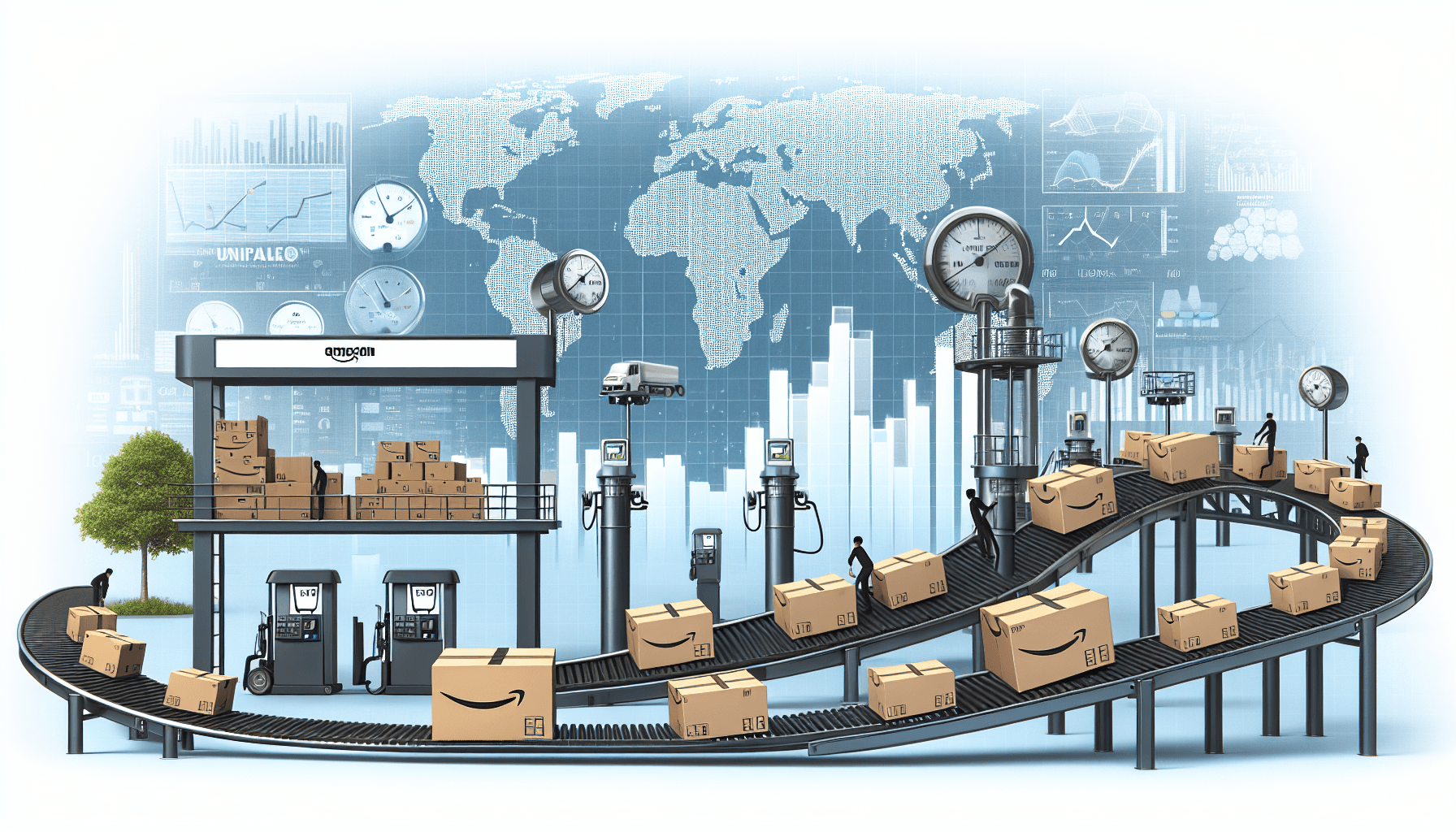
Amazon's New 3.5% Surcharge: E-commerce Sellers Brace for Higher Costs Amid Global Fuel Crisis
The global e-commerce giant, Amazon, has announced a new 3.5% fuel and inflation surcharge on third-party sellers utilizing its Fulfillment by Amazon (FBA) service. This move, effective immediately, signals a significant shift in operational costs for countless small and medium-sized businesses that rely on Amazon's vast logistics network to reach customers worldwide. The decision comes as businesses grapple with unprecedented economic pressures, largely driven by escalating fuel prices exacerbated by geopolitical conflicts.
The Mechanics of the Surcharge
Effective April 28, 2022, Amazon began applying a 3.5% additional fee per unit sold through FBA. This surcharge is directly linked to the company's fulfillment fees, which cover picking, packing, shipping, and customer service for orders. Amazon communicated to sellers that this temporary measure is a direct response to the "significant increase in fuel and inflation costs" observed across its operations. For many sellers, this means a direct cut into their profit margins, forcing a reevaluation of pricing strategies and operational efficiencies.
Why Now? Global Economic Headwinds
The imposition of this surcharge is a clear indicator of the pervasive economic challenges impacting global supply chains. The ongoing conflict in Ukraine has sent crude oil prices soaring, leading to a ripple effect across transportation and logistics sectors worldwide. Beyond fuel, inflation has driven up the costs of packaging materials, labor, and other essential operational expenses. Amazon, with its massive logistical footprint, is not immune to these pressures, and this surcharge is its way of passing some of these increased costs onto its seller base.
Impact on Third-Party Sellers
For the millions of third-party sellers—many of whom are small businesses—who form the backbone of Amazon's marketplace, this new fee presents a considerable challenge. The implications are far-reaching:
- Eroding Profit Margins: A 3.5% increase can significantly reduce the profitability of products, especially those with already tight margins, making it harder for businesses to sustain growth.
- Pricing Dilemmas: Sellers must decide whether to absorb the cost, potentially impacting their competitiveness, or pass it on to consumers, which could lead to higher prices for shoppers.
- Operational Adjustments: Businesses may need to re-evaluate their product sourcing, inventory management, and shipping strategies to mitigate the impact of these additional fees.
- Competitive Landscape: Smaller sellers might find it harder to compete with larger brands or those with more robust supply chains that can absorb such increases more easily.
Potential Ripple Effects for Consumers
While the surcharge is initially levied on sellers, it's highly probable that a portion of these increased costs will eventually trickle down to consumers. As sellers adjust their pricing to maintain profitability, shoppers could see slight increases in the cost of goods purchased through Amazon. This adds to the broader inflationary environment already affecting household budgets globally, potentially influencing purchasing decisions and overall e-commerce activity.
Navigating an Uncertain Economic Future
Amazon's surcharge highlights the intricate connection between global events and everyday commerce. As businesses worldwide continue to navigate volatile fuel markets, supply chain disruptions, and inflationary pressures, adaptability will be key. Sellers on Amazon's platform will need to be strategic and innovative in managing their costs and pricing to sustain their operations and continue delivering value to customers in an increasingly unpredictable economic climate.
How this article was made
- Sources
- ABC News (The Associated Press)
- Generated on:
- Apr 4, 2026
This content is produced by Acerbo.AI's AI editorial pipeline: source gathering, rewriting and imagery are automated. Editorial oversight stays human.
Related Articles
Inflation Hits 3.8%: A Deep Dive into the Economic Aftershocks for Global Consumers and Markets
Global financial markets are reacting to a significant inflation surge, hitting 3.8% – the highest since 2023. This jump signals crucial shifts for consumer purchasing power and business strategies worldwide.

Global Inflation Surges to 3.8%: Highest Peak Since 2023 Signals Renewed Economic Pressure
Inflation hits 3.8%, reaching its highest point since 2023, signaling renewed economic pressures and challenging central banks worldwide.

Oil's Shockwave: 4% Spike Rekindles Wall Street's Rate Hike Anxiety
A sharp 4% surge in crude oil prices has sent jitters through Wall Street, reigniting fears that central banks might be forced to resume interest rate hikes to combat renewed inflationary pressures.