
Ancient Secrets Unearthed: 250-Million-Year-Old Fossil Confirms Mammal Ancestors Laid Eggs
A groundbreaking 250-million-year-old fossil offers definitive proof that the earliest ancestors of mammals laid eggs, reshaping our understanding of mammalian evolution.
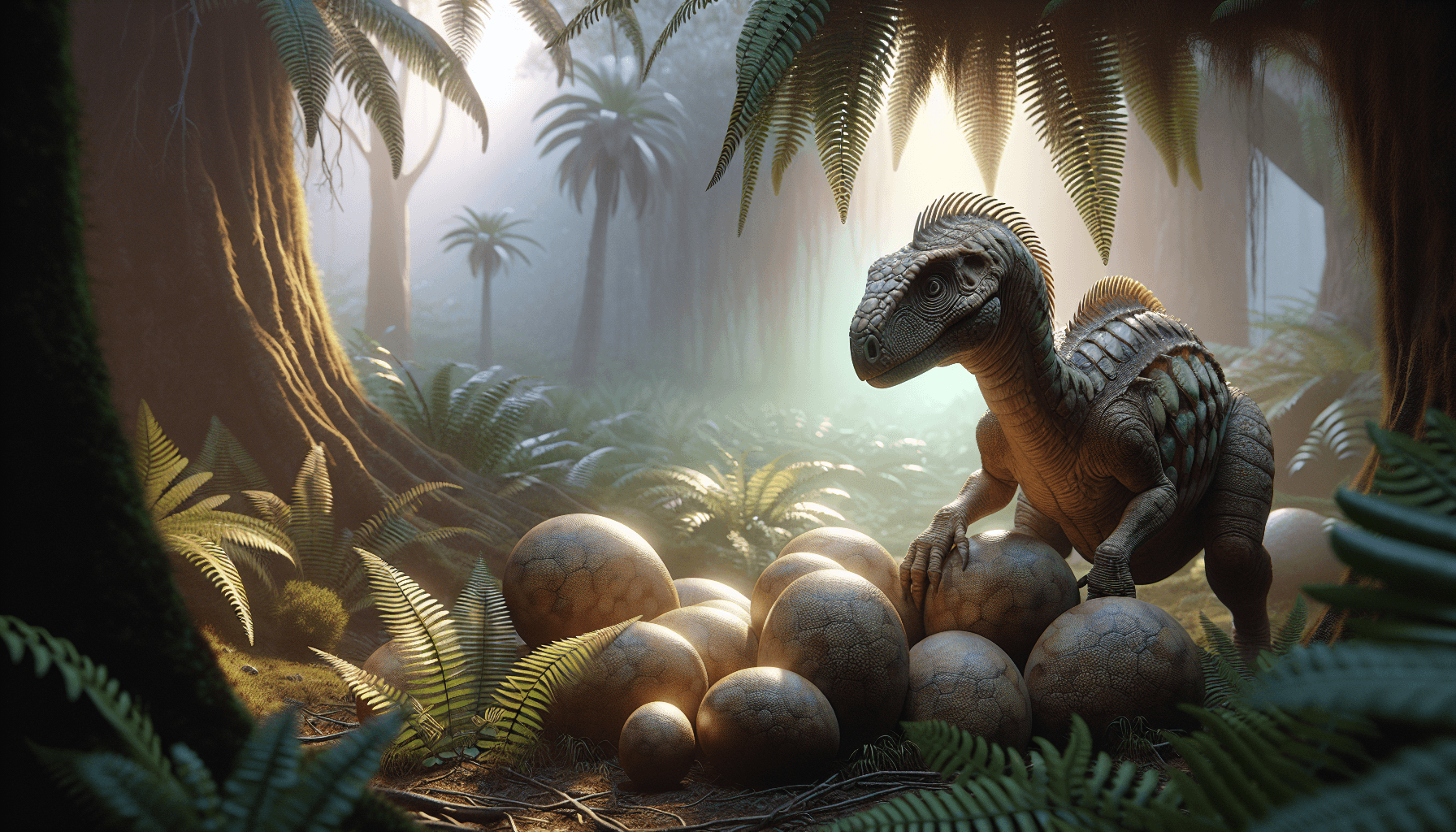
Unearthing Ancient Secrets: Definitive Proof of Egg-Laying Mammal Ancestors
For centuries, the evolutionary journey from our ancient, reptile-like forebears to the diverse world of mammals has been a subject of intense scientific scrutiny. One enduring question revolved around the reproductive strategies of our earliest ancestors: did they lay eggs, or did live birth evolve much earlier? Now, a groundbreaking 250-million-year-old fossil provides the definitive answer, irrevocably rewriting a crucial chapter in the tree of life.
This remarkable paleontological find offers compelling evidence that the earliest ancestors of mammals, long before the advent of marsupials and placentals, propagated by laying eggs. This revelation not only confirms a long-held hypothesis but also deepens our understanding of the complex transition that forged mammalian characteristics.
Tracing Our Ancient Lineage: From Synapsids to Early Mammals
Our story begins in the Permian period, approximately 250 million years ago, a time when "mammal-like reptiles" known as synapsids dominated terrestrial ecosystems. These creatures possessed a fascinating blend of reptilian and nascent mammalian features. While scientists suspected these early ancestors laid eggs, concrete fossilized proof remained elusive—until now.
The discovery provides critical insights into the reproductive biology of these transitional forms. It demonstrates that initial evolutionary steps towards mammality did not immediately involve live birth, but rather a continuation of the egg-laying strategy inherited from their more distant reptilian ancestors. This evidence is a cornerstone for understanding the pathway to diverse mammalian reproductive methods.
The Significance of a 250-Million-Year-Old Revelation
What makes this 250-million-year-old fossil so profoundly significant? It fills a crucial gap in the fossil record, providing direct, undeniable proof where only indirect clues and inferences existed before. The evidence clarifies that egg-laying was a fundamental reproductive trait for a substantial period in our lineage's deep past, long after the divergence from other amniotes.
This discovery helps us appreciate the evolutionary timeline for key mammalian traits. While features like hair, endothermy (warm-bloodedness), and specialized teeth were developing, the reproductive strategy remained tied to oviparity. The transition to viviparity (live birth) was a later, independent evolutionary innovation within different mammalian branches, a testament to life's incredible adaptability.
Echoes of the Past: Monotremes and Beyond
The finding provides powerful context for understanding modern monotremes, such as the platypus and echidna, the only extant mammals that still lay eggs. These fascinating creatures are often considered "living fossils" due to their ancestral trait retention. This 250-million-year-old discovery underscores that their unique reproductive method is not an anomaly, but a direct link to the very beginnings of the mammalian lineage.
Studying this fossil opens new avenues for research into the anatomy and physiology of early mammal ancestors. It challenges previous assumptions about evolutionary innovations, providing a more nuanced picture of how mammals truly came to be. This ancient evidence acts as a powerful reminder of life's deep interconnectedness and the long, winding path of evolution.
Reshaping Our Understanding of Mammalian Evolution
This groundbreaking fossil discovery is a pivotal moment in paleontology, compelling us to refine our textbooks and reshape our understanding of mammalian origins. It vividly illustrates that the journey to becoming a mammal was a mosaic process, with traits evolving at different rates and in different orders than sometimes assumed.
The definitive proof that mammal ancestors laid eggs 250 million years ago offers invaluable insights into the environmental pressures and selective forces that shaped early life on Earth. It reinforces the dynamic nature of evolution, where even fundamental characteristics like reproduction can undergo profound transformations over millions of years, ultimately leading to the incredible diversity we observe today.
How this article was made
- Sources
- ScienceDaily
- Generated on:
- Apr 14, 2026
This content is produced by Acerbo.AI's AI editorial pipeline: source gathering, rewriting and imagery are automated. Editorial oversight stays human.
Related Articles
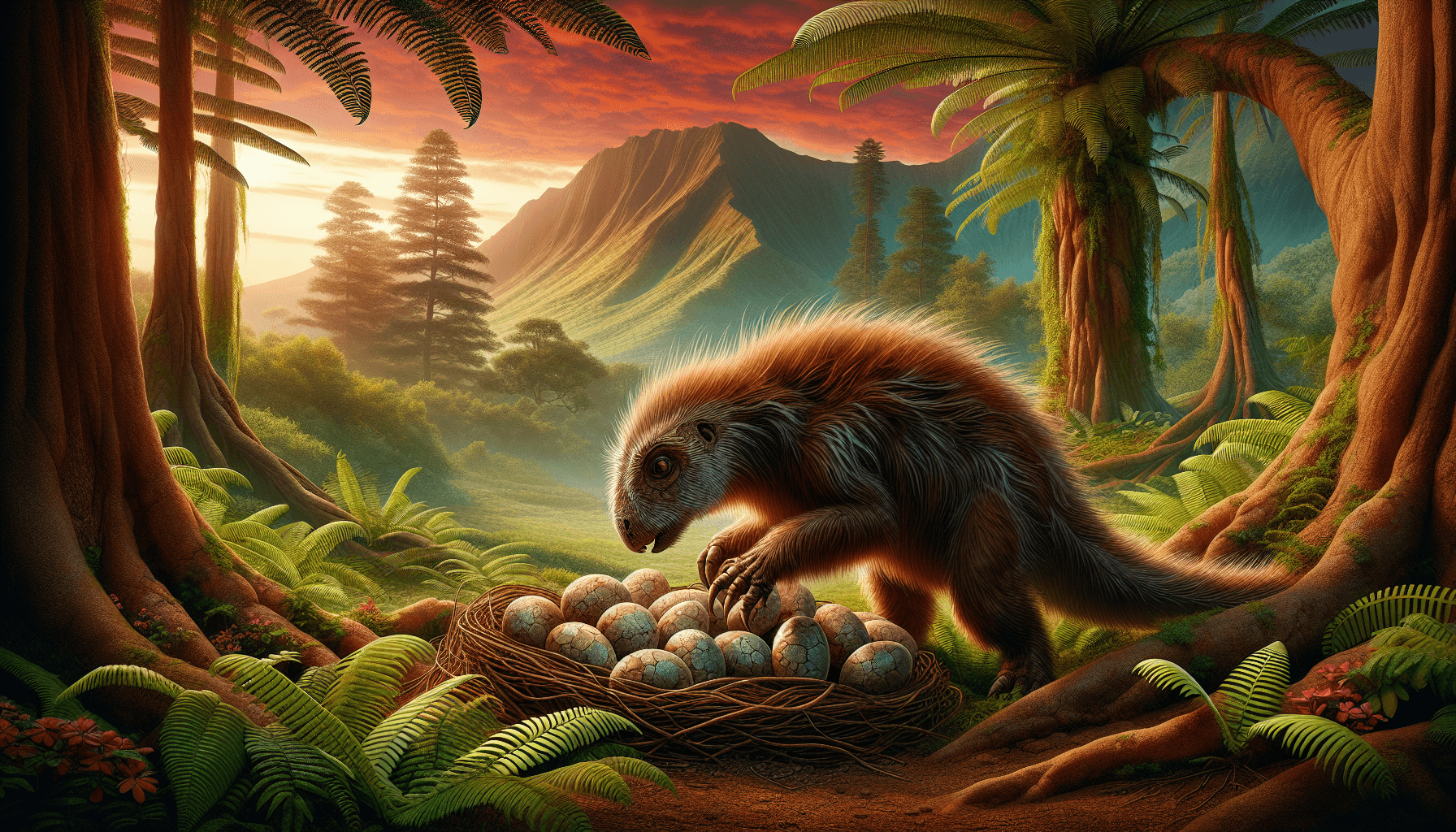
Cracking the Evolutionary Code: 250-Million-Year-Old Fossil Reveals Our Egg-Laying Mammal Ancestors
A groundbreaking 250-million-year-old fossil finally provides definitive proof that early mammal ancestors laid eggs, reshaping our understanding of mammalian evolution.
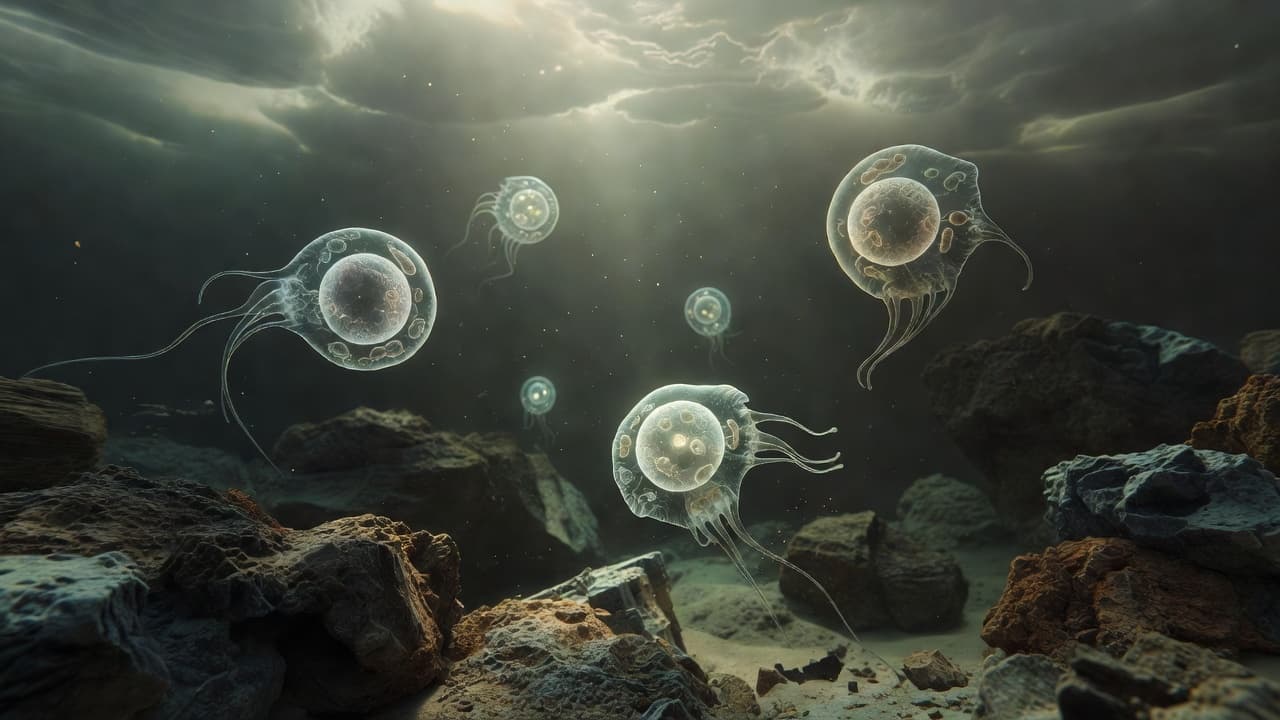
Ancient Clues: 1.7-Billion-Year-Old Fossils Rewrite the Story of Complex Life's Dawn
A groundbreaking discovery of 1.7-billion-year-old fossils provides vital clues, pushing back the timeline for the emergence of complex life and reshaping our understanding of early evolution.
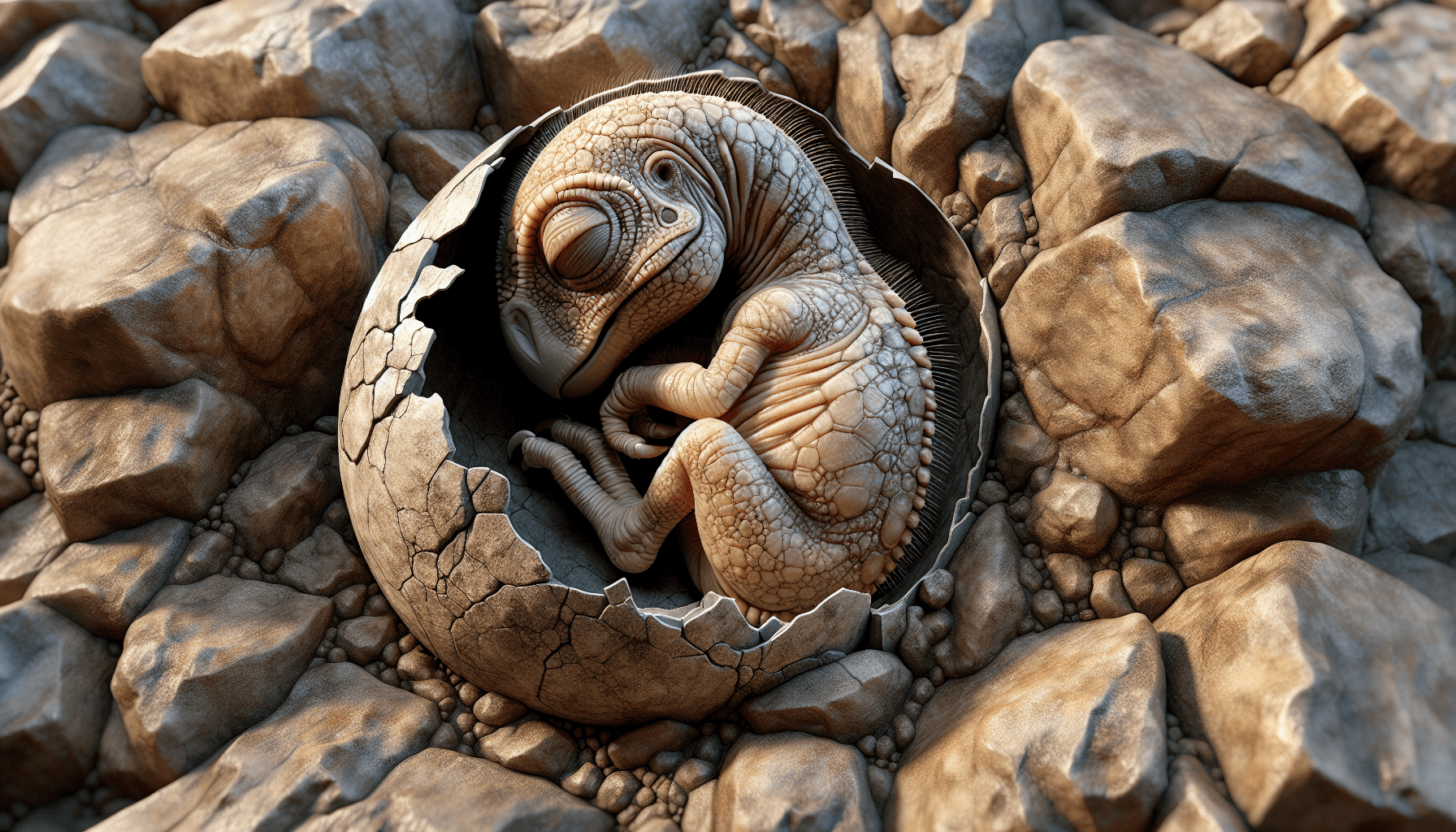
Unveiling 'Baby Yingliang': The Remarkably Cute Dinosaur Embryo Found in Rock
Paleontologists have unearthed an incredibly preserved baby dinosaur embryo, dubbed 'Baby Yingliang,' curled inside its fossilized egg. This discovery offers unprecedented insights into dinosaur development and their avian links.