
Breakthrough Discovery: Scientists Uncover Gene Boosting Brain's Self-Repair Capabilities
Groundbreaking research has identified a gene crucial for the brain's natural ability to repair itself, offering new hope for treating stroke, TBI, and neurodegenerative diseases.
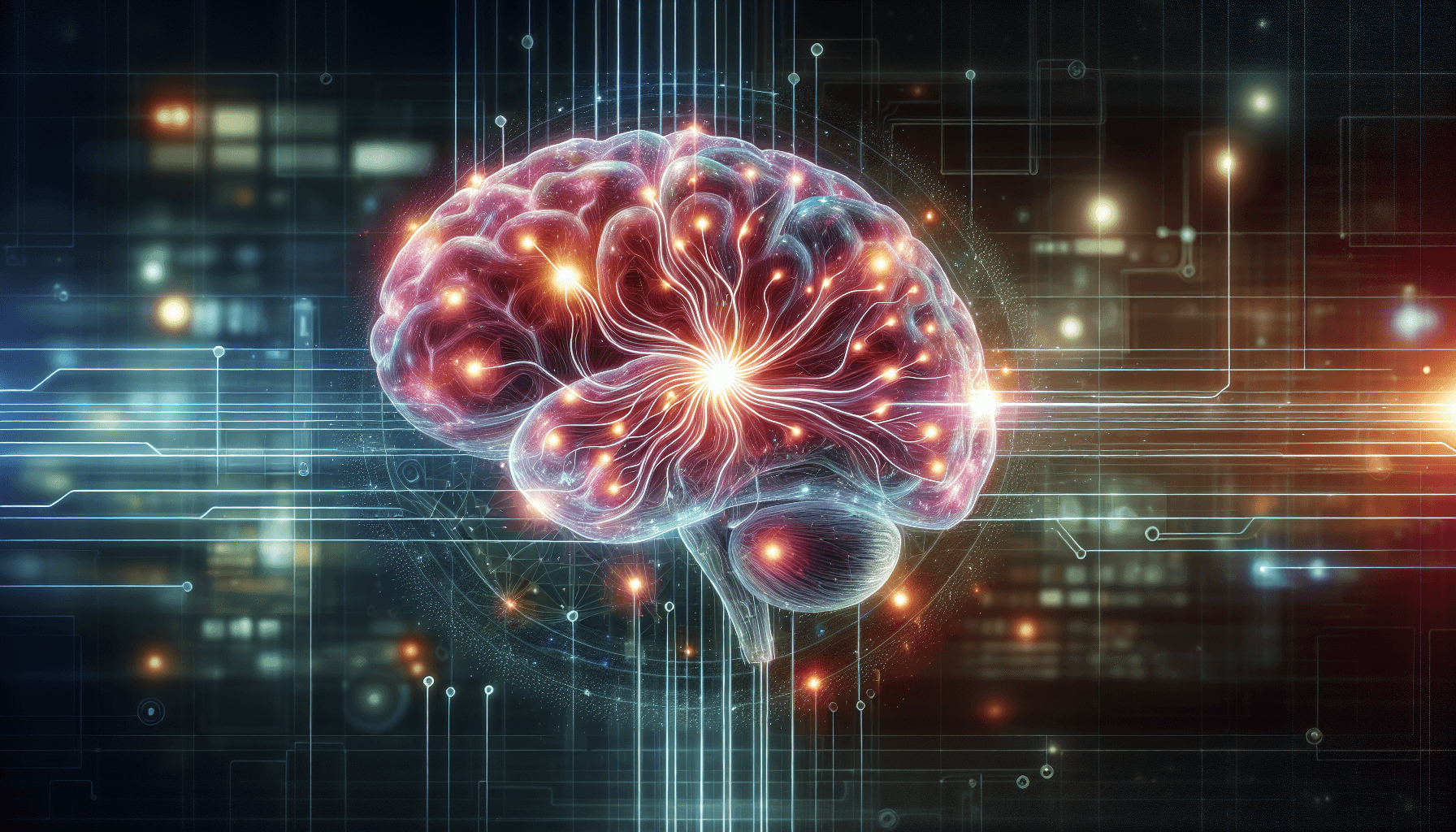
Unlocking the Brain's Hidden Potential
Imagine a future where the brain, the very seat of our consciousness and identity, possesses an innate ability to heal itself from devastating injuries or the relentless march of neurodegenerative diseases. This once-futuristic concept is now moving closer to reality, thanks to groundbreaking research identifying a specific gene that plays a crucial role in the brain's intrinsic repair mechanisms. This discovery could fundamentally shift our approach to treating some of the most challenging neurological conditions.
For decades, the adult brain was largely considered a static organ, with limited capacity for self-repair after damage. While some forms of plasticity were known, large-scale regeneration remained elusive. However, recent scientific endeavors have slowly chipped away at this dogma, revealing a more dynamic and adaptable organ than previously thought. This latest finding marks a significant leap forward in understanding and potentially harnessing the brain's remarkable regenerative capabilities.
The Discovery: A Key to Neural Regeneration
An international team of neuroscientists has pinpointed a previously underappreciated gene—let's call it 'NeuroRepair-X' for conceptual clarity—which appears to act as a master switch for neuronal regeneration and synaptic remodeling. Their extensive studies, primarily conducted in advanced animal models mimicking stroke and traumatic brain injury, demonstrated a significant enhancement in recovery rates and cognitive function when this gene's activity was boosted.
The research, detailed in a leading scientific journal, shows that increased expression of NeuroRepair-X led to a marked reduction in tissue damage and inflammation post-injury. Crucially, it promoted the growth of new neural connections, effectively rebuilding damaged circuitry and restoring lost functions. This suggests a powerful, inherent capacity within the brain waiting to be fully activated.
How Does This Genetic Pathway Work?
Scientists believe NeuroRepair-X operates on several fronts, orchestrating a complex cellular response to injury:
- Promoting Neurogenesis: It stimulates the proliferation and differentiation of neural stem cells into new neurons, especially in areas typically resistant to repair.
- Reducing Inflammation: The gene helps to modulate the brain's immune response, preventing excessive inflammation that can exacerbate secondary damage after injury.
- Enhancing Synaptic Plasticity: It facilitates the formation of new synapses and strengthens existing ones, crucial for learning, memory, and functional recovery.
- Supporting Myelin Repair: Evidence suggests it also plays a role in the repair of myelin sheaths, the protective insulation around nerve fibers, which is critical for efficient signal transmission.
A Beacon of Hope for Neurological Conditions
The implications of activating such a powerful self-repair gene are profound, opening new avenues for therapeutic interventions across a spectrum of neurological disorders:
- Stroke Recovery: Patients often suffer permanent damage and disability. Targeting NeuroRepair-X could significantly improve functional outcomes by promoting regeneration in damaged brain regions.
- Traumatic Brain Injury (TBI): TBI victims face long-term cognitive and physical impairments. Enhancing this gene's activity could accelerate healing and mitigate chronic effects.
- Neurodegenerative Diseases: Conditions like Alzheimer's, Parkinson's, and Multiple Sclerosis involve progressive neuronal loss or damage. Activating this gene might slow progression or even reverse some cellular damage, offering a novel strategy for treatment.
The Path Ahead: From Lab to Clinic
While immensely promising, this discovery is still in its early stages. The journey from initial genetic identification to widely available human therapy is long and complex. Researchers must now focus on:
- Translational Studies: Verifying these findings in more complex preclinical models and eventually moving towards human clinical trials.
- Delivery Mechanisms: Developing safe and effective ways to activate or deliver this gene therapy to specific brain regions.
- Safety and Efficacy: Thoroughly understanding potential side effects and ensuring long-term benefits outweigh any risks.
The identification of a gene capable of enhancing the brain's self-repair is nothing short of revolutionary. It offers a tantalizing glimpse into a future where the devastating impact of brain injuries and diseases might be significantly reduced, or even overcome. This breakthrough underscores the incredible resilience of the human brain and the relentless pursuit of knowledge by scientists around the globe, lighting a new path toward hope and healing.
How this article was made
- Sources
- ScienceDaily
- Generated on:
- Apr 17, 2026
This content is produced by Acerbo.AI's AI editorial pipeline: source gathering, rewriting and imagery are automated. Editorial oversight stays human.
Related Articles
Revolutionary Strides: Two Groundbreaking Discoveries Reshape Neurological and Cancer Treatments
Recent scientific advancements promise to transform the landscape of neurological disorder and cancer treatment, offering new hope through innovative therapies and deeper biological understanding.
UCSF Unveils Dual Breakthroughs: New Hope for Neurological Disorders and Cancer
Researchers at UCSF have announced two monumental scientific advancements offering fresh hope in the global fight against debilitating neurological conditions and various forms of cancer.
Dual Triumph: Groundbreaking Discoveries Propel Fight Against Neurological Disorders and Cancer
Two pioneering research efforts are making waves in medicine, unveiling significant progress in understanding and combating complex neurological conditions and various forms of cancer. These discoveries mark a pivotal moment for global health.