
Cracking the Evolutionary Code: 250-Million-Year-Old Fossil Reveals Our Egg-Laying Mammal Ancestors
A groundbreaking 250-million-year-old fossil finally provides definitive proof that early mammal ancestors laid eggs, reshaping our understanding of mammalian evolution.
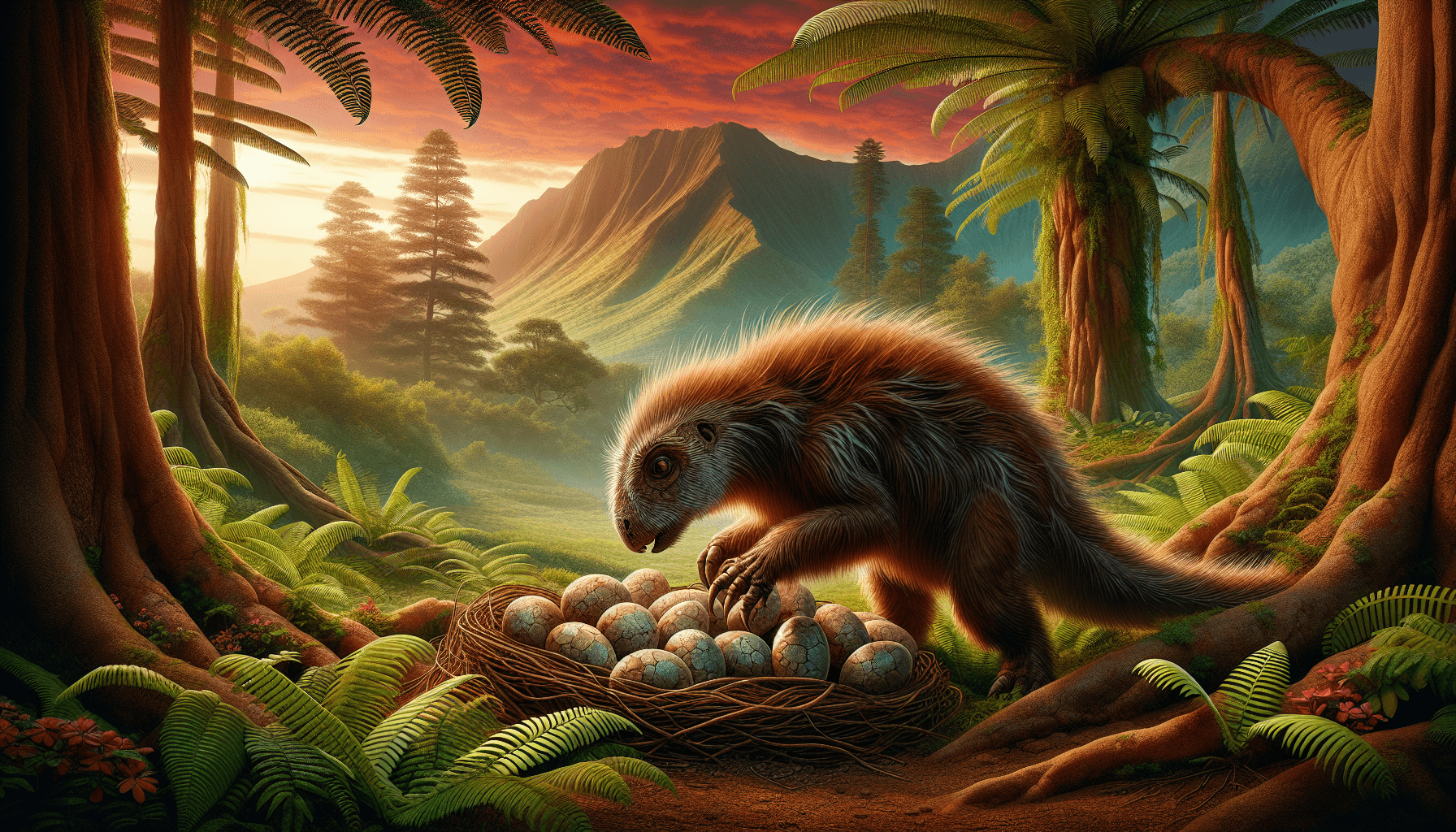
Unearthing a Revolutionary Truth About Our Deep Past
For centuries, the defining characteristic of mammals has been live birth. Yet, a monumental discovery has just rewritten a crucial chapter in evolutionary history. Scientists have unveiled a 250-million-year-old fossil that offers unequivocal proof: our ancient mammal ancestors, long before the age of dinosaurs, were in fact egg-layers. This remarkable find challenges long-held assumptions and provides a vital missing piece in the complex puzzle of mammalian evolution.
The fossil, unearthed from ancient Triassic strata, represents a significant breakthrough, offering a rare glimpse into the reproductive strategies of the earliest creatures on the mammalian lineage. It fundamentally alters our understanding of how our distant relatives transitioned from reptilian forms to the diverse array of mammals we know today.
The Ancient Evidence: What the Fossil Reveals
The groundbreaking fossil discovery, believed to be an early synapsid or a very primitive mammaliaform, exhibits unique anatomical features that point directly to an oviparous (egg-laying) reproductive strategy. While specific details of the fossil are still being meticulously studied, initial analyses highlight a pelvic structure distinctly adapted for egg deposition, rather than supporting internal gestation common in most modern mammals.
Researchers suggest that the fossil's pelvic girdle and associated skeletal elements bear striking resemblances to those of modern egg-laying vertebrates, albeit with emerging mammalian characteristics. This combination provides the definitive evidence scientists have sought for decades, confirming that the evolution of live birth was a gradual process, not an abrupt shift.
Bridging the Evolutionary Divide
This 250-million-year-old fossil serves as a critical evolutionary bridge, linking the reptilian ancestors that dominated the Earth to the first true mammals. It confirms that many early mammalian traits, such as fur, warm-bloodedness, and specialized teeth, likely evolved while these creatures still reproduced by laying eggs.
The discovery also sheds new light on the unique case of modern monotremes – the platypus and echidna. These fascinating Australian mammals are the only living species that lay eggs, making them often described as "living fossils." This new ancient fossil strongly suggests that monotremes are not evolutionary oddities, but rather living relics of a reproductive strategy that was once widespread among early mammalian ancestors.
The Long Road to Live Birth
The transition from egg-laying to live birth (viviparity) was a complex evolutionary journey, likely driven by various environmental pressures and advantages. Retaining embryos internally could have offered greater protection from predators, more stable environmental conditions for development, and potentially faster growth rates.
However, this new fossil demonstrates that the initial steps towards becoming a mammal did not immediately discard the ancestral egg-laying method. Instead, it was a gradual process, with key mammalian features evolving in parallel with, or even preceding, the shift to live birth. This offers a more nuanced and intricate picture of the evolutionary path our lineage took over hundreds of millions of years.
Implications for Mammalian Heritage
The implications of this discovery are profound for the field of evolutionary biology. It forces a re-evaluation of phylogenetic trees and provides concrete evidence for long-debated hypotheses about early mammalian reproduction. It highlights the incredible adaptability and diversity of life forms during the Triassic period, a time of significant evolutionary innovation following the Permian-Triassic extinction event.
This 250-million-year-old egg-laying mammal ancestor fossil is more than just an ancient bone; it's a window into the deep past, revealing the surprising origins of our own lineage and reminding us that the story of life on Earth is far more complex and fascinating than we often imagine. Future research will undoubtedly delve deeper into the specific environmental conditions and selective pressures that eventually led to the widespread adoption of live birth among most mammalian groups.
How this article was made
- Sources
- ScienceDaily
- Generated on:
- Apr 15, 2026
This content is produced by Acerbo.AI's AI editorial pipeline: source gathering, rewriting and imagery are automated. Editorial oversight stays human.
Related Articles
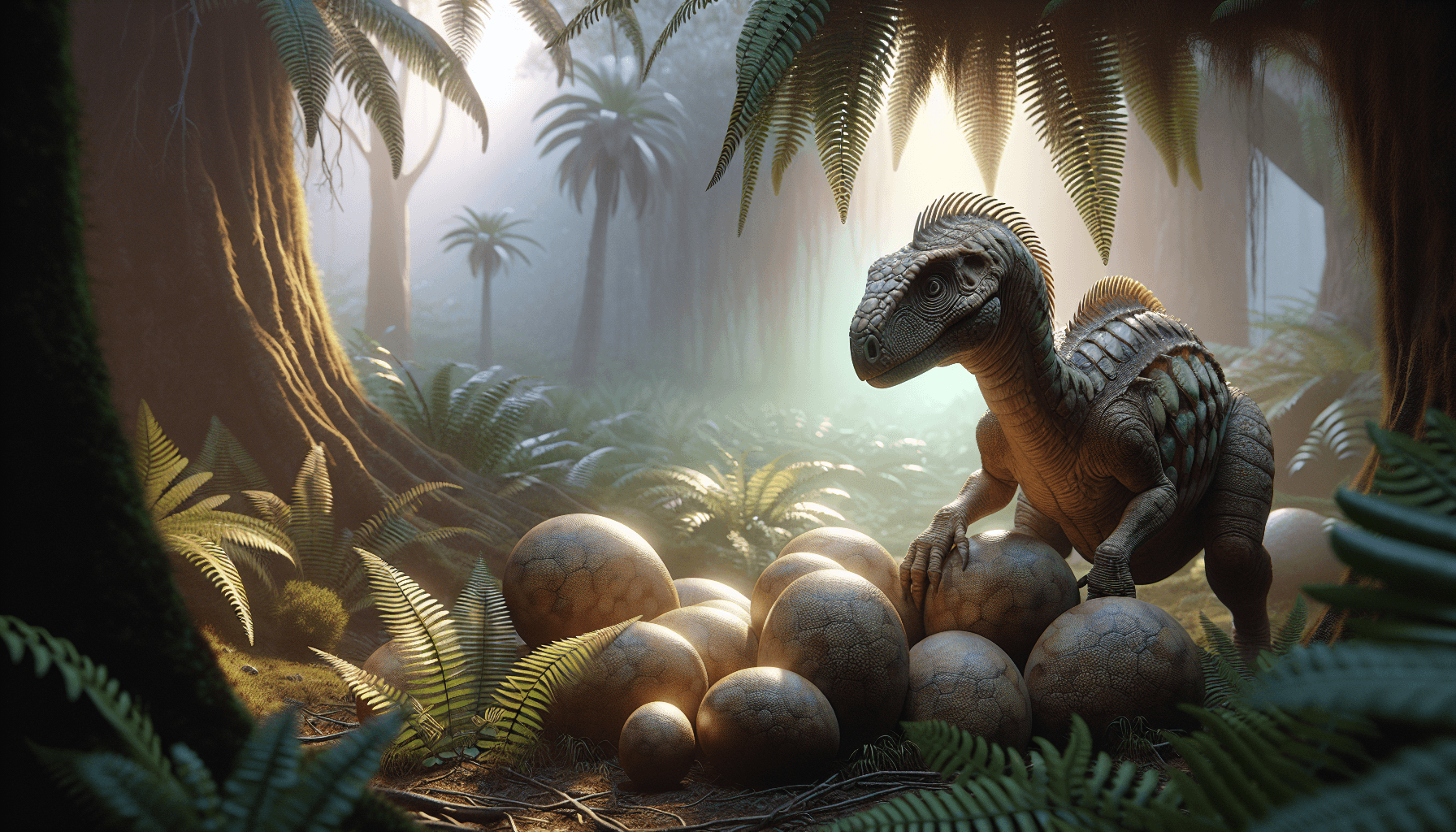
Ancient Secrets Unearthed: 250-Million-Year-Old Fossil Confirms Mammal Ancestors Laid Eggs
A groundbreaking 250-million-year-old fossil offers definitive proof that the earliest ancestors of mammals laid eggs, reshaping our understanding of mammalian evolution.
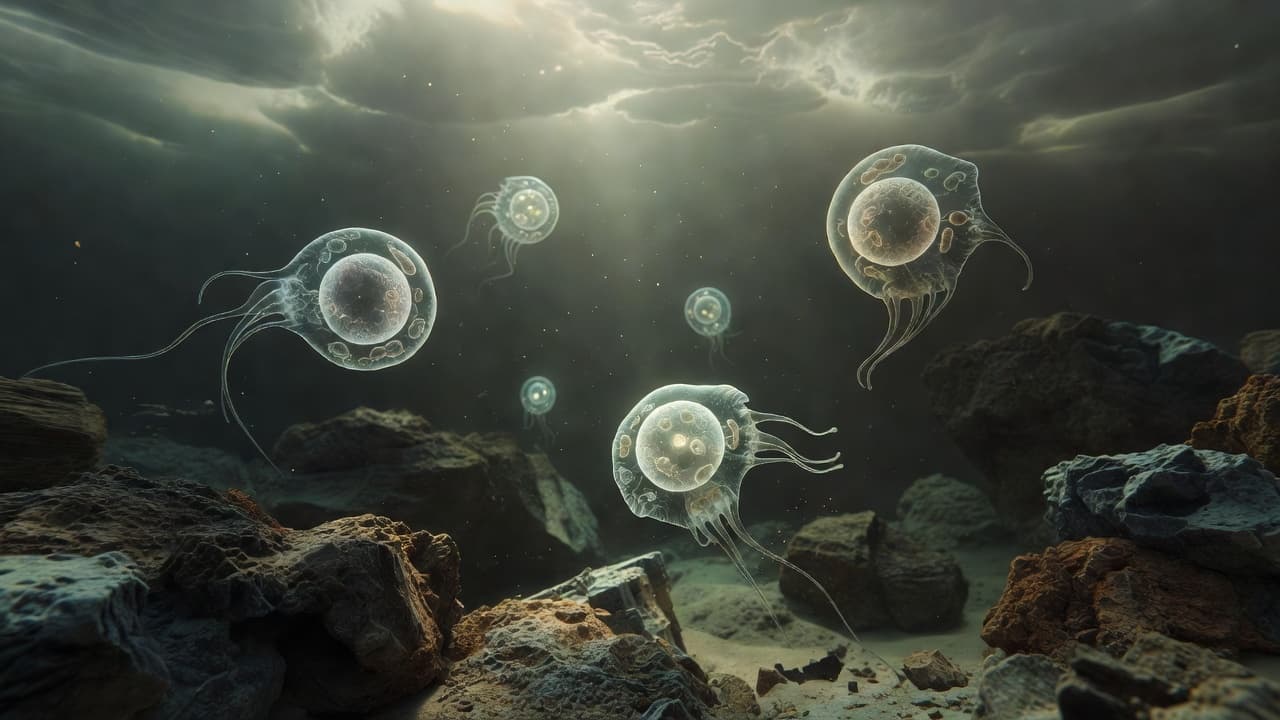
Ancient Clues: 1.7-Billion-Year-Old Fossils Rewrite the Story of Complex Life's Dawn
A groundbreaking discovery of 1.7-billion-year-old fossils provides vital clues, pushing back the timeline for the emergence of complex life and reshaping our understanding of early evolution.
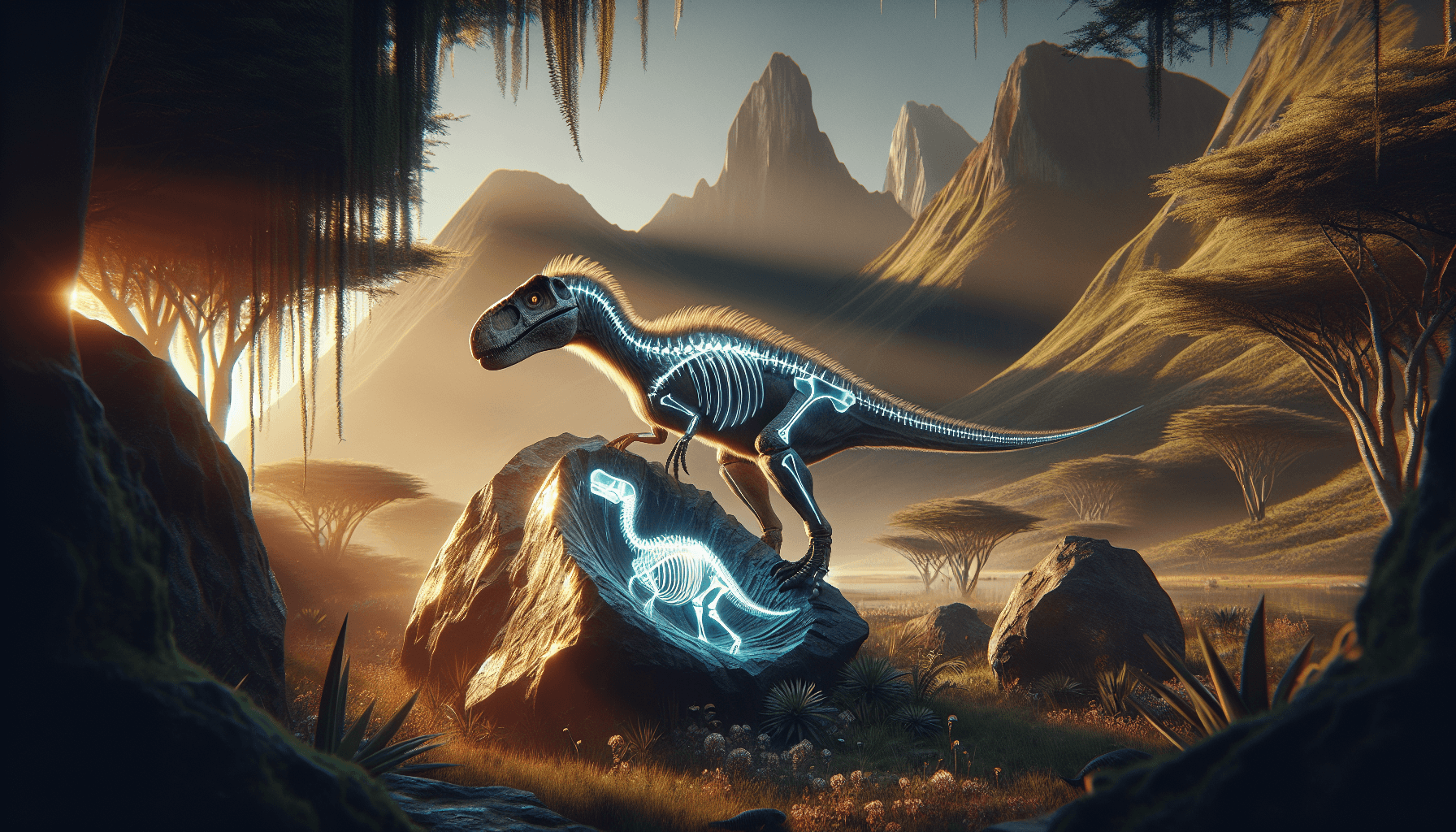
Unearthing the Impossible: A Crushed Fossil Rewrites Dinosaur History
A severely crushed fossil unearthed in a remote Patagonian region has revealed a dinosaur species whose existence challenges long-held theories about prehistoric life and evolution.