
Dual Horizon: Pioneering Breakthroughs Reshape Neurological Disorder and Cancer Treatment
Two monumental scientific advancements are set to redefine the landscape of neurological disorder diagnosis and personalized cancer therapy, offering renewed hope for millions globally.
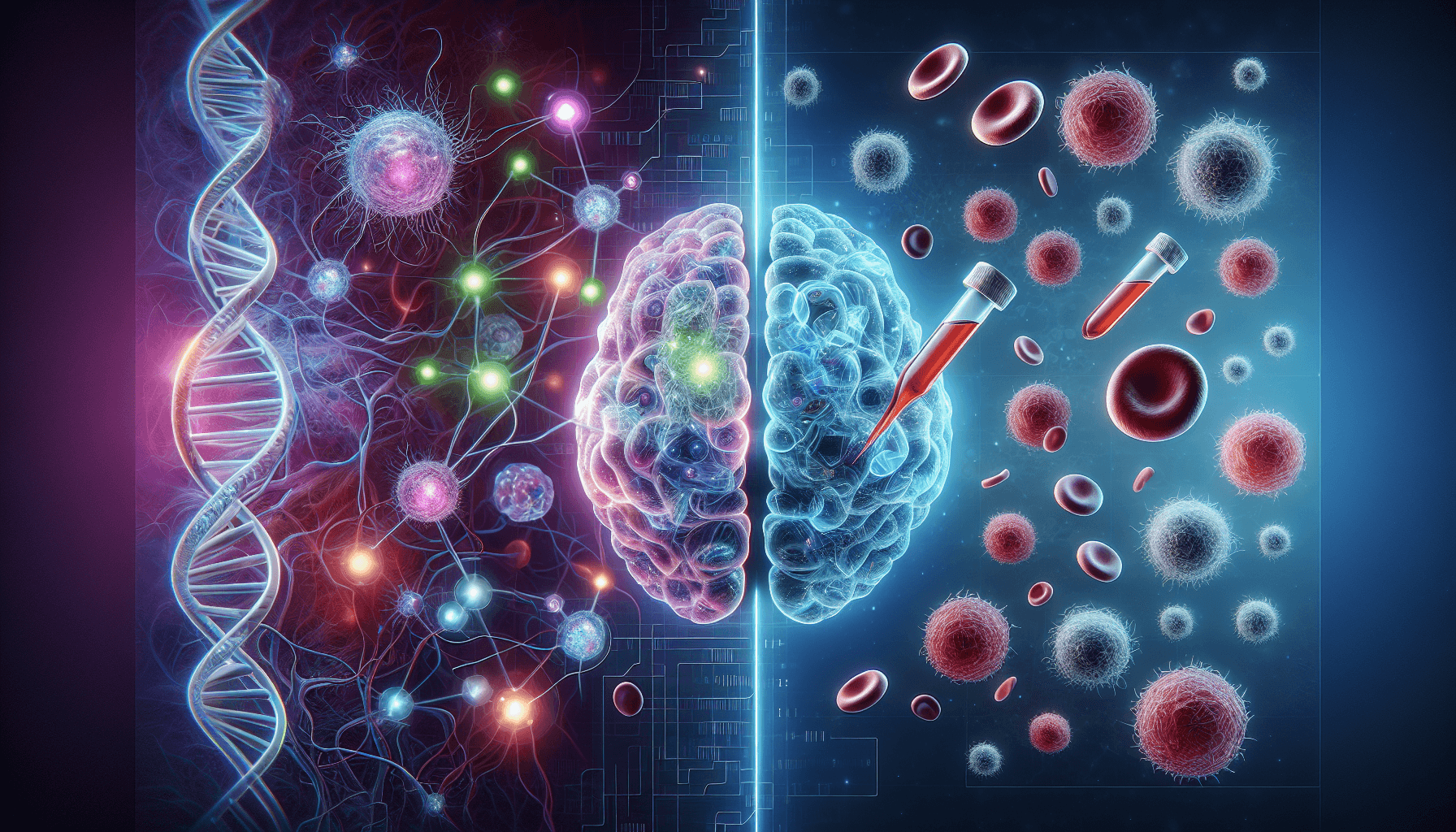
A New Era of Medical Discovery Dawns
In a landmark moment for global health, scientists have unveiled two groundbreaking advancements poised to revolutionize our approach to some of humanity's most challenging diseases: neurological disorders and cancer. These dual breakthroughs, stemming from intensive research and innovative methodologies, promise to shift paradigms from reactive treatment to proactive intervention and highly personalized therapies. The implications are profound, offering unprecedented hope to millions worldwide grappling with these complex conditions.
Shedding Light on Neurodegeneration: Early Detection and Targeted Repair
One of the most significant advancements lies in the realm of neurological disorders, particularly neurodegenerative conditions like Alzheimer's and Parkinson's disease. Researchers have successfully developed a novel, non-invasive blood-based biomarker panel, combined with advanced artificial intelligence (AI) algorithms, capable of detecting these diseases in their earliest stages – often years before the onset of noticeable clinical symptoms.
This diagnostic tool represents a monumental leap forward. Currently, definitive diagnoses often occur late in the disease progression, limiting the effectiveness of interventions. The new panel identifies specific protein signatures and genetic markers circulating in the blood, providing an ultra-early warning system. This early detection opens critical windows for therapeutic intervention, potentially slowing or even halting disease progression.
- Non-invasive: A simple blood test replaces complex, often expensive, and invasive procedures.
- Precision: High accuracy in distinguishing between different neurodegenerative conditions.
- Early Intervention: Enables treatment initiation when therapies are most effective, potentially preserving cognitive function and motor skills.
Complementing this diagnostic breakthrough is a promising new gene-editing therapy. This innovative approach targets specific genetic mutations and protein misfolding pathways implicated in early-stage neurodegeneration. By precisely correcting or modulating these pathways, scientists aim to prevent the accumulation of toxic proteins that lead to neuronal damage, effectively addressing the root cause rather than just managing symptoms.
Revolutionizing Cancer Combat: Personalized mRNA Immunotherapy
The fight against cancer has also received a powerful new weapon: a next-generation personalized mRNA cancer vaccine platform. Building on the success of mRNA technology, this innovative therapy trains a patient's own immune system to recognize and aggressively target cancer cells, even in notoriously difficult-to-treat solid tumors.
Unlike conventional treatments, this vaccine is custom-tailored for each patient. After sequencing the tumor's unique genetic profile, a bespoke mRNA vaccine is engineered to present specific neoantigens – markers found only on cancer cells – to the immune system. This primes T-cells to identify and destroy malignant cells with remarkable precision, minimizing damage to healthy tissue and reducing severe side effects commonly associated with chemotherapy or radiation.
- Highly Personalized: Tailored to the unique genetic fingerprint of each patient's tumor.
- Broad Applicability: Showing promise against a wide range of solid tumors, historically resistant to other immunotherapies.
- Reduced Toxicity: Targets cancer cells specifically, leading to fewer systemic side effects.
Early clinical trials have yielded encouraging results, demonstrating significant tumor regression and prolonged remission rates in patients with advanced cancers. This breakthrough holds immense potential to transform oncology, moving towards a future where cancer treatment is not just effective, but also highly individualized and less debilitating.
A Collaborative Horizon for Global Health
These two distinct yet equally vital breakthroughs underscore the power of interdisciplinary research and global scientific collaboration. They represent a significant paradigm shift in how medical science approaches complex diseases, moving towards earlier detection, more targeted therapies, and truly personalized medicine.
While further clinical trials and regulatory approvals are essential, the initial findings from these advancements ignite a powerful sense of optimism. They promise a future where diseases once considered untreatable or inevitably progressive could be managed, mitigated, or even prevented, fundamentally improving the quality of life for countless individuals worldwide. The journey ahead is long, but these discoveries mark a pivotal turn in humanity's ongoing quest for health and longevity.
How this article was made
- Sources
- UC San Francisco
- Generated on:
- Feb 28, 2026
This content is produced by Acerbo.AI's AI editorial pipeline: source gathering, rewriting and imagery are automated. Editorial oversight stays human.
Related Articles

Cosmic Cannibals: Astronomers Uncover Two Actively Feeding Supermassive Black Holes in the Early Universe
A groundbreaking discovery reveals two actively feeding supermassive black holes in the universe's nascent stages, challenging theories of cosmic evolution and galaxy formation.

Cosmic Detective Work: Second-Generation Planet Cracks Hubble's Long-Standing Mystery
Astronomers have unveiled a groundbreaking discovery: a 'second-generation' exoplanet whose unique formation mechanism provides the missing link to solve a perplexing cosmic enigma observed by the Hubble Space Telescope for years.

Cosmic Revelation: Have Scientists Finally Glanced at Dark Matter?
A recent scientific development suggests researchers may have detected dark matter, the universe's most enigmatic substance. This potential breakthrough could redefine cosmology and particle physics.