
Dual Triumph: Groundbreaking Discoveries Propel Fight Against Neurological Disorders and Cancer
Two pioneering research efforts are making waves in medicine, unveiling significant progress in understanding and combating complex neurological conditions and various forms of cancer. These discoveries mark a pivotal moment for global health.
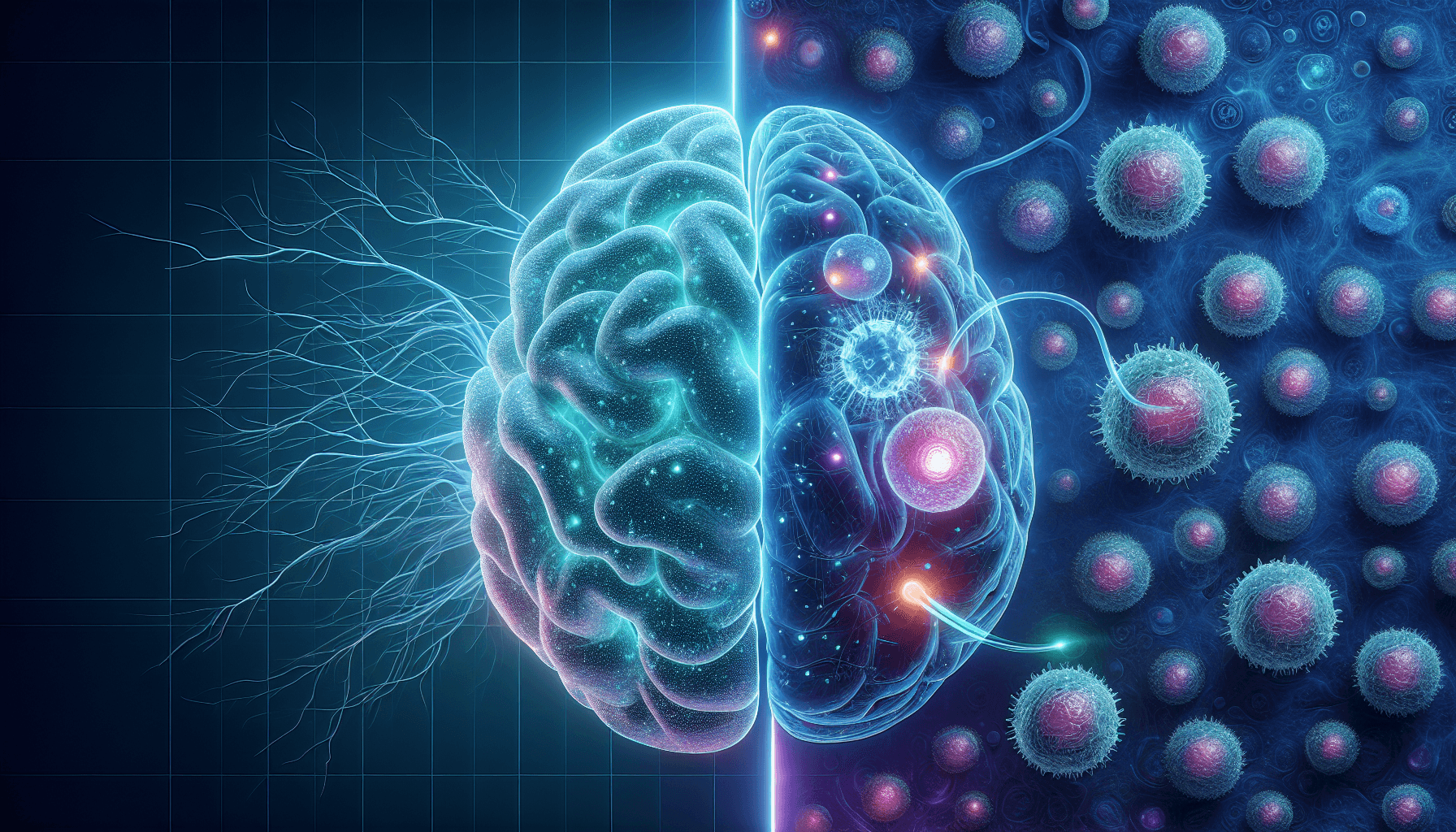
A New Dawn in Medical Science: Dual Breakthroughs Unveiled
The global scientific community is buzzing with excitement following the announcement of two truly revolutionary advancements. These breakthroughs, emerging from dedicated research efforts at leading institutions worldwide, promise to fundamentally reshape our approach to treating devastating neurological disorders and a wide array of cancers. This dual triumph signals a significant leap forward in medical science, offering renewed hope to millions of patients and their families across the globe.
Unlocking Brain's Mysteries: A Leap in Neurological Disorder Treatment
One of the most compelling discoveries centers on a novel gene-editing technique designed to address the root causes of certain neurodegenerative diseases. For years, conditions like Alzheimer's and Parkinson's have presented formidable challenges, with treatments largely focused on managing symptoms rather than halting disease progression. This new method targets specific genetic markers implicated in the early onset and development of these debilitating conditions, aiming to correct cellular dysfunctions at a fundamental level.
Researchers have successfully demonstrated in preclinical models that this advanced gene therapy can not only prevent the accumulation of toxic proteins but also restore neuronal function. This represents a paradigm shift, moving beyond symptomatic relief towards proactive intervention and potential disease reversal. The implications for improving brain health and quality of life for those at risk are profound.
Precision Strikes: Revolutionizing Cancer Therapies
Simultaneously, the field of oncology is witnessing an equally transformative breakthrough: the development of next-generation personalized immunotherapies. Unlike traditional chemotherapy or radiation, which can have broad side effects, this innovative approach leverages advanced artificial intelligence (AI) to analyze an individual patient's unique tumor mutations.
This allows for the creation of highly tailored treatments that train the patient's own immune system to specifically identify and eradicate cancer cells, leaving healthy tissue unharmed. Early results indicate unprecedented response rates in hard-to-treat cancers, promising a future where cancer care is not only more effective but also significantly less burdensome on the patient's body.
The Science Behind the Hope: Deep Dive into Innovation
Targeting Neurodegeneration at its Core
The neurological breakthrough utilizes a refined CRISPR-Cas system, enhanced for specificity and delivery across the blood-brain barrier. This allows for precise editing of genes responsible for protein misfolding and aggregation, key hallmarks of many neurodegenerative conditions. The method's ability to target specific cell types within the brain minimizes off-target effects, a critical safety concern in gene therapy.
- Enhanced Specificity: Reduces risk of unintended genetic alterations.
- Improved Delivery: Overcomes previous hurdles in reaching brain tissue.
- Long-term Potential: Offers a durable solution, potentially preventing disease progression for years.
Harnessing Immunity for Cancer Eradication
The personalized immunotherapy platform integrates machine learning to rapidly process vast amounts of genomic and proteomic data from tumor biopsies. This data identifies unique neoantigens—mutated proteins on cancer cells—that the immune system can recognize. Subsequently, T-cells are engineered or activated to specifically target these unique markers, launching a highly focused attack.
- Rapid Analysis: AI shortens the time from diagnosis to personalized treatment.
- Broad Applicability: Shows promise across various cancer types, including solid tumors.
- Reduced Side Effects: Minimizes harm to healthy cells, improving patient tolerance.
A Future Transformed: Impact and Next Steps
These dual breakthroughs usher in an era of precision medicine, where treatments are increasingly customized to an individual's genetic makeup and disease profile. The potential impact on global health is immense, offering a beacon of hope for conditions previously deemed untreatable or manageable only with limited success.
While still in their early stages of development and requiring extensive clinical trials, these discoveries underscore the power of collaborative scientific endeavor. They highlight a future where neurological disorders and various cancers may no longer be insurmountable foes, but rather challenges that can be met with increasingly sophisticated and effective therapeutic tools. The journey ahead will involve continued research, significant investment, and global cooperation to bring these life-changing innovations from the lab to patients worldwide.
How this article was made
- Sources
- UC San Francisco (UCSF)
- Generated on:
- Feb 28, 2026
This content is produced by Acerbo.AI's AI editorial pipeline: source gathering, rewriting and imagery are automated. Editorial oversight stays human.
Related Articles

Cosmic Cannibals: Astronomers Uncover Two Actively Feeding Supermassive Black Holes in the Early Universe
A groundbreaking discovery reveals two actively feeding supermassive black holes in the universe's nascent stages, challenging theories of cosmic evolution and galaxy formation.
Cosmic Detective Work: Second-Generation Planet Cracks Hubble's Long-Standing Mystery
Astronomers have unveiled a groundbreaking discovery: a 'second-generation' exoplanet whose unique formation mechanism provides the missing link to solve a perplexing cosmic enigma observed by the Hubble Space Telescope for years.
Cosmic Revelation: Have Scientists Finally Glanced at Dark Matter?
A recent scientific development suggests researchers may have detected dark matter, the universe's most enigmatic substance. This potential breakthrough could redefine cosmology and particle physics.