
Giant Virus Discovery Shatters Theories on Life's Complex Origins
A newly discovered giant virus is challenging fundamental theories about the origin and evolution of complex life, potentially rewriting the biological tree of life and redefining what it means to be a virus.
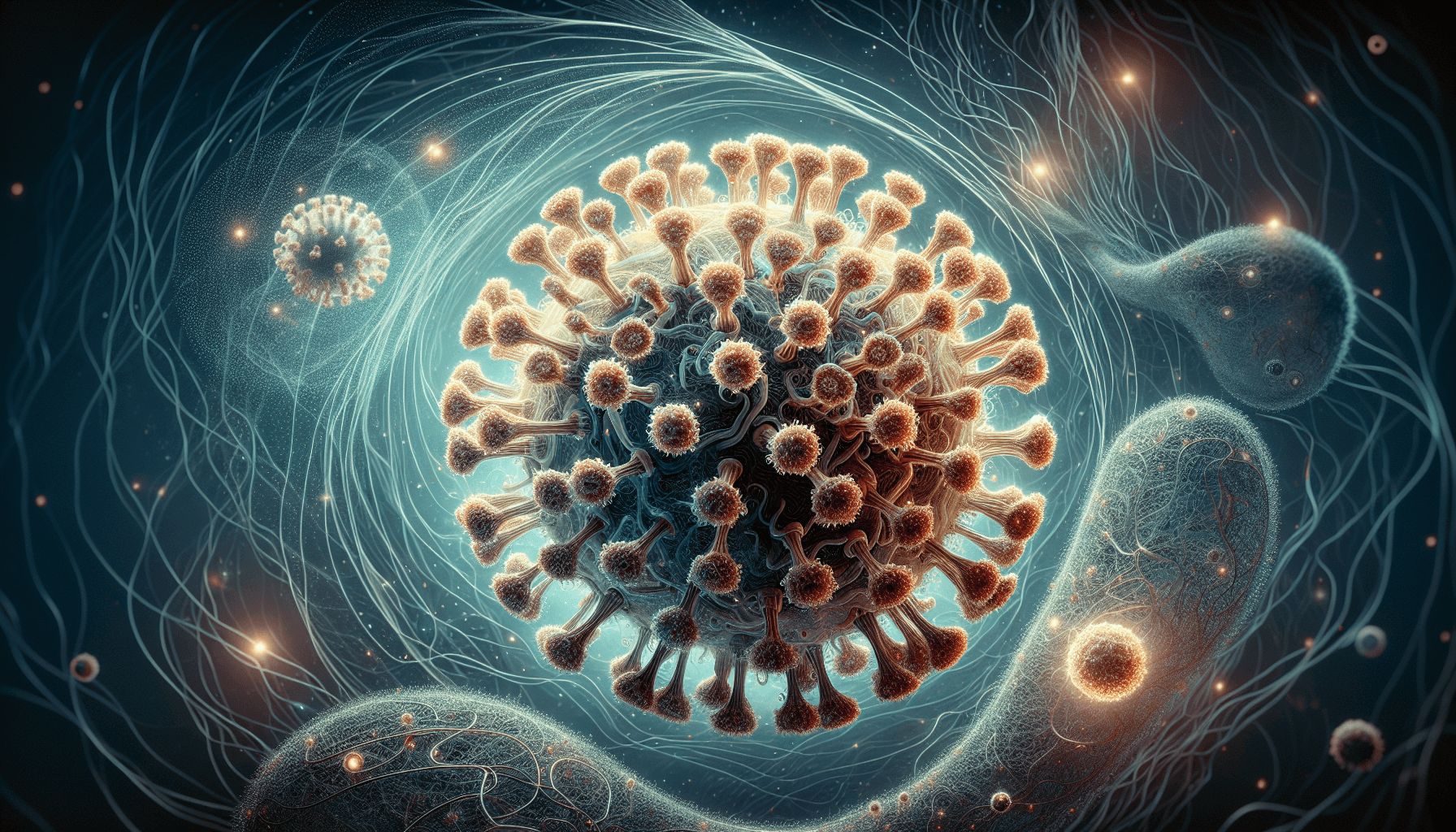
The scientific community is abuzz with a groundbreaking discovery that could fundamentally alter our understanding of life’s earliest chapters. The unearthing of a novel "giant virus" challenges long-held theories about the origin and evolution of complex life forms, potentially forcing a significant rewrite of the biological tree of life itself. This discovery pushes the boundaries of what we thought possible for viruses, positioning them not merely as simple parasites, but as potential architects in the grand narrative of evolution.
Unveiling the Titans of the Viral World
For decades, viruses were largely seen as minimalist entities: tiny packages of genetic material wrapped in protein, incapable of independent replication. They were considered distinct from cellular life—bacteria, archaea, and eukaryotes—due to their parasitic nature and lack of cellular machinery. However, the discovery of giant viruses in the early 2000s began to blur these lines. These behemoths are visible under a light microscope, possess genomes larger than some bacteria, and carry genes previously thought exclusive to cellular organisms.
A New Species Rewrites the Rules
The latest find adds another extraordinary chapter to this emerging field. Researchers have identified a giant virus whose genetic makeup and structural complexity defy easy categorization. Unlike typical viruses that rely almost entirely on host cells, this new specimen exhibits an astonishing array of genes involved in metabolic processes, DNA repair, and protein synthesis—functions usually performed by cellular life forms. This inherent complexity suggests a more sophisticated role in biological systems than previously imagined.
Challenging the Tree of Life
The traditional "tree of life" classifies all living organisms into three main domains: Bacteria, Archaea, and Eukarya (which includes animals, plants, fungi, and protists). Viruses have typically been relegated to a separate, non-living category. However, the characteristics of these giant viruses, particularly their genetic richness and metabolic potential, prompt a critical re-evaluation of this foundational model.
Ancestral Connections and the Fourth Domain
One profound implication of this discovery is the possibility that giant viruses represent remnants of an ancient, fourth domain of life. Alternatively, they might have played a crucial role in the very emergence of eukaryotes, the domain that encompasses all complex life. Their vast and complex genomes could hold clues to the evolutionary transition from simpler prokaryotic cells to the more intricate eukaryotic cells, a pivotal moment in life's history that remains largely mysterious.
The genes found within these giant viruses suggest a deep evolutionary lineage. Some scientists speculate that these viruses might have once been independent cellular organisms that adopted a parasitic lifestyle, gradually shedding unnecessary genes but retaining core functionalities. This "reductive evolution" hypothesis offers a compelling alternative to the view of viruses as purely primitive entities.
Implications for Understanding Complex Life
The presence of such advanced genetic machinery within a viral entity forces us to reconsider the very definitions of "life" and "organism." If viruses possess elements of cellular independence, where do we draw the line? This discovery could:
- Redefine viral biology: Expanding our understanding beyond simple pathogens.
- Inform evolutionary models: Offering new perspectives on the origins of eukaryotic cells.
- Open new avenues for research: Paving the way for discoveries of even more enigmatic life forms.
The Ongoing Quest for Origins
This breakthrough underscores that our understanding of life on Earth is far from complete. Each new discovery, especially one as profound as this giant virus, acts as a pivotal piece in the colossal jigsaw puzzle of evolution. It encourages scientists to look beyond established paradigms and embrace the complexity and unexpectedness that the natural world continually presents.
In conclusion, the identification of this extraordinary giant virus is more than just a scientific curiosity; it's a potential game-changer. It challenges the fundamental assumptions about the nature of viruses and their place in the biological world, prompting a re-examination of how complex life first arose. As researchers delve deeper into its genetic secrets, we may soon find ourselves with a radically different picture of life's intricate origins and its evolutionary journey.
How this article was made
- Sources
- Tokyo University of Science
- Generated on:
- Feb 22, 2026
This content is produced by Acerbo.AI's AI editorial pipeline: source gathering, rewriting and imagery are automated. Editorial oversight stays human.
Related Articles
Giant Viruses Unveiled: Rewriting the Evolutionary Story of Complex Life
A groundbreaking discovery of a giant virus challenges fundamental theories on the origin of complex life, potentially redefining the 'tree of life' and our understanding of evolution.
Colossal Virus Discovery: Rewriting the Origins of Complex Life
A groundbreaking discovery of an immense virus is challenging fundamental theories on the evolution of complex life, suggesting viruses may hold a more central role in Earth's primordial past than previously thought.

Unveiling Ancient Secrets: How Giant Viruses Are Reshaping Our View of Life's Origins
A groundbreaking discovery concerning giant viruses is challenging long-held theories about the very beginning of complex life on Earth, potentially rewriting the evolutionary tree and forcing scientists to rethink what defines 'life' itself.