
Global Markets Hold Breath: US-Iran Truce Calms Nerves, But Oil Prices Remain a Wildcard for Asian Stocks
Asian stock markets show mixed reactions despite a US-Iran de-escalation, as investors grapple with persistent oil price uncertainty and looming central bank rate hike bets. Geopolitical calm meets economic headwinds.
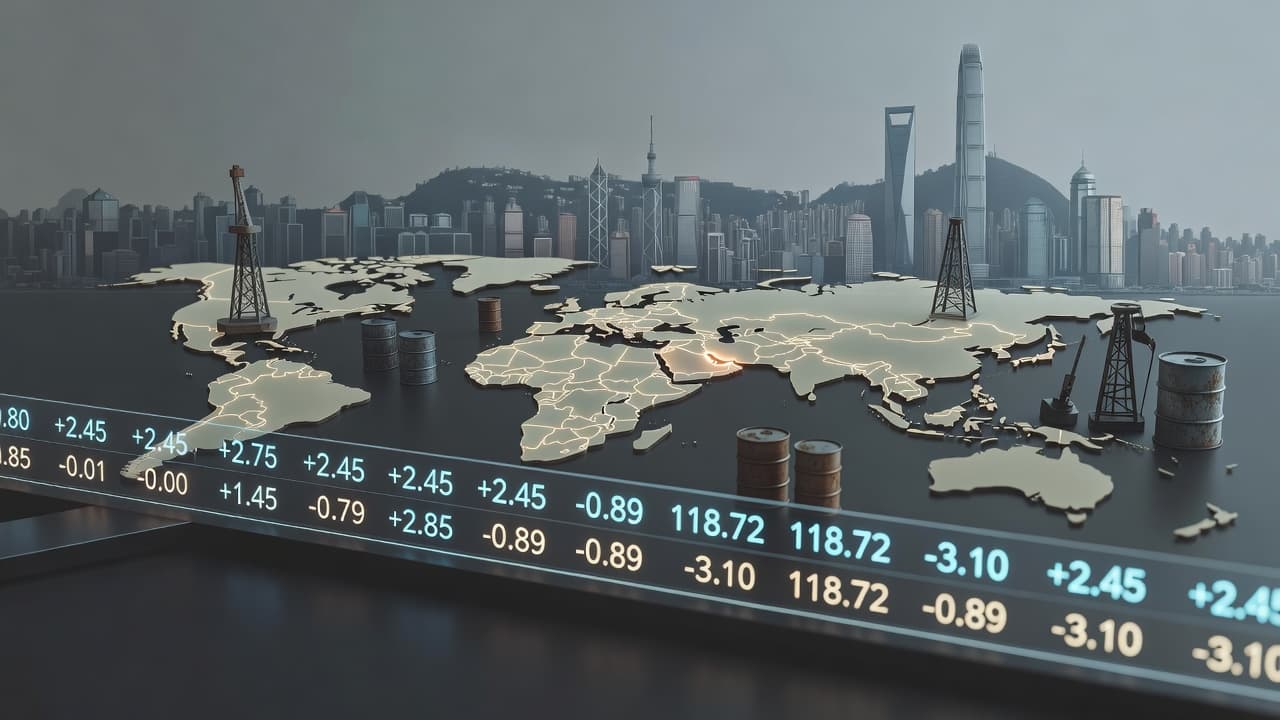
The global financial landscape is once again navigating a complex web of geopolitical developments and economic indicators, with Asian markets particularly sensitive to the latest shifts. A significant announcement saw the United States and Iran agree to a de-escalation of hostilities, a move that initially promised to soothe frayed nerves across investment circles. However, the anticipated clear bullish surge in Asian equities proved elusive, as underlying concerns about oil price volatility and impending central bank decisions continued to cast a shadow.
A Fragile Peace: US-Iran Truce Unfolds
In a development that offered a glimmer of hope for regional stability, both the United States and Iran confirmed an agreement to halt recent hostile actions. This diplomatic breakthrough, while not fully outlining a comprehensive peace accord, aims to significantly dial down the immediate tensions that have periodically threatened to destabilize the crucial Middle East region. For investors, such de-escalation typically signals a reduction in geopolitical risk premium, often leading to a more positive market sentiment.
The details of the agreement remain under close scrutiny, but the immediate impact is a collective sigh of relief from international observers. Reducing direct confrontations can prevent supply chain disruptions and mitigate the risk of broader conflicts, which are always detrimental to global trade and economic growth. This positive development was widely reported, with sources like Reuters noting the agreement on June 29, 2026.
Asian Equities: A Mixed Bag of Reactions
Despite the encouraging news from the Middle East, Asian stock markets exhibited a nuanced reaction, best described as a "wobble" rather than a decisive rally. Major indices across the region, including those in Tokyo, Shanghai, and Hong Kong, saw tentative gains in early trading before pulling back as the day progressed. This cautious response underscores the multifaceted challenges global markets currently face.
Investors are weighing the geopolitical de-escalation against other significant factors:
- Persistent Inflationary Pressures: Concerns about rising prices continue to loom large, prompting fears of aggressive interest rate hikes by central banks globally.
- Central Bank Tightening: Expectations of further rate increases, particularly from the U.S. Federal Reserve, tend to dampen investor enthusiasm for risk assets like equities.
- Economic Growth Outlook: While the Middle East truce is positive, broader concerns about a potential global economic slowdown or recession temper optimism.
This confluence of factors means that while one significant risk factor has been mitigated, others remain prominent, leading to a more subdued and volatile market reaction than might otherwise be expected.
Oil's Volatile Dance: Beyond Middle East Tensions
Perhaps the most immediate and significant area of uncertainty stemming from the US-Iran de-escalation lies within the crude oil markets. While a reduction in Middle East tensions typically puts downward pressure on oil prices due to reduced supply disruption risks, the current scenario is more complex. Prices showed initial dips but quickly stabilized, reflecting a deeper underlying uncertainty.
Several elements contribute to this ongoing oil price uncertainty:
- Demand-Side Dynamics: Global economic growth forecasts play a crucial role. If major economies slow down, demand for oil could decrease, irrespective of supply-side stability.
- OPEC+ Production Policies: The decisions of the Organization of the Petroleum Exporting Countries and its allies (OPEC+) regarding production cuts or increases significantly influence global supply.
- Strategic Reserves: Government decisions on releasing strategic petroleum reserves can temporarily impact prices.
- Lingering Geopolitical Risks: Even with a truce, the region remains inherently volatile, and investors are wary of future escalations.
Therefore, while the immediate threat of a major supply disruption from the Gulf has receded, the oil market remains a battlefield of demand concerns, supply management, and lingering geopolitical caution. Traders are looking beyond the immediate headlines to fundamental supply-demand balances.
Navigating Global Economic Headwinds
The current market environment demands a high degree of vigilance from investors. The US-Iran de-escalation is undoubtedly a positive step for global stability, but it does not erase the other significant economic headwinds. Central banks worldwide are grappling with inflation, and their monetary policy responses will continue to dictate market sentiment and asset valuations.
For international English-speaking audiences, understanding these interconnected global forces is crucial. The performance of Asian stocks, often seen as a bellwether for global manufacturing and trade, reflects this intricate balance. While the immediate threat of a Middle East crisis has receded, the path ahead for global markets remains characterized by caution and a close watch on inflation, interest rates, and the evolving geopolitical landscape.
How this article was made
- Sources
- Reuters
- Generated on:
- Jun 29, 2026
This content is produced by Acerbo.AI's AI editorial pipeline: source gathering, rewriting and imagery are automated. Editorial oversight stays human.
Related Articles
Global Markets Soar, Oil Plunges as US-Iran Ceasefire Calms Tensions
A landmark ceasefire between the US and Iran sends shockwaves of relief through global markets, propelling stock indices upwards while crude oil prices experience a dramatic fall.

Global Markets Soar as Trump Signals Iran De-escalation; Oil Futures Tumble Near $100
Global stock markets surge and oil prices soften near $100 a barrel following a major announcement from Donald Trump signaling a potential US exit from the Iran conflict.

Global Markets Soar as Trump Opts for Diplomacy, Delays Iran Strikes
International stock markets experienced a robust rebound following President Trump's decision to delay military action against Iran, signaling a preference for diplomatic talks over confrontation.