
Google Boosts Android Security: New Feature Targets Sophisticated Spyware Attacks
Google introduces a groundbreaking security feature for Android, designed to detect and alert users to advanced spyware attacks, significantly enhancing mobile privacy and protection.

Google Fortifies Android Security with New Spyware Detection
Google has launched a crucial new security feature for Android, designed to identify and alert users to sophisticated spyware attacks. This enhancement protects billions of Android users from covert surveillance and data exploitation, reaffirming the platform's commitment to privacy.
Mobile devices are prime targets for malicious actors, including state-sponsored groups. This advanced detection capability empowers users to uncover and mitigate threats, offering a vital defense against insidious cyberattacks.
The Invisible Threat: Why Spyware Matters
Advanced spyware, like Pegasus, highlights severe mobile security vulnerabilities. These programs silently infiltrate devices, accessing sensitive data, communications, and activating hardware like cameras and microphones without consent. This is a profound breach of privacy.
Spyware's danger lies in its stealth. It often exploits zero-day vulnerabilities—flaws unknown to manufacturers—bypassing traditional security. Google's feature directly addresses this by detecting subtle signs of deep system compromises.
Google's Proactive Defense: How It Works
Google's new feature employs deep, system-level monitoring. It scrutinizes unusual activity and persistent system changes characteristic of highly advanced spyware. This goes beyond typical app-level security, focusing on behavioral analysis of data access, network connections, and system modifications.
Users will receive actionable alerts if suspicious activity is detected. This provides critical information, allowing users to secure their device. Key benefits include:
- Early & Deep Detection: Uncovering threats before harm.
- Empowered User Action: Clear response guidance.
- Enhanced Privacy: A stronger shield against surveillance.
Impact on Android Users and Ecosystem
For Android users, this update brings enhanced peace of mind, knowing Google combats elusive digital threats. It underscores keeping devices updated for the latest protections. This raises the bar for mobile security across the ecosystem.
Google's continuous investment in Android security, via Play Protect and Project Zero, reflects a multi-layered defense. This comprehensive approach, combining automated threat detection with expert analysis, is crucial in the ongoing battle against cybercrime, fostering a secure digital environment.
Conclusion
Google's new spyware detection for Android is a timely, vital development. It confronts growing surveillance threats and reaffirms the company's commitment to user safety. As digital privacy remains paramount, such innovations are essential for a trustworthy mobile future. Users should stay vigilant and update software for maximum protection.
How this article was made
- Sources
- TechCrunch
- Generated on:
- May 13, 2026
This content is produced by Acerbo.AI's AI editorial pipeline: source gathering, rewriting and imagery are automated. Editorial oversight stays human.
Related Articles

Google's AI Breaches Three Companies in Groundbreaking Security Test
Google's advanced AI systems successfully hacked three companies during a controlled 'testing breakout' exercise, revealing unprecedented capabilities in autonomous vulnerability exploitation and raising critical questions about AI's role in future cybersecurity.
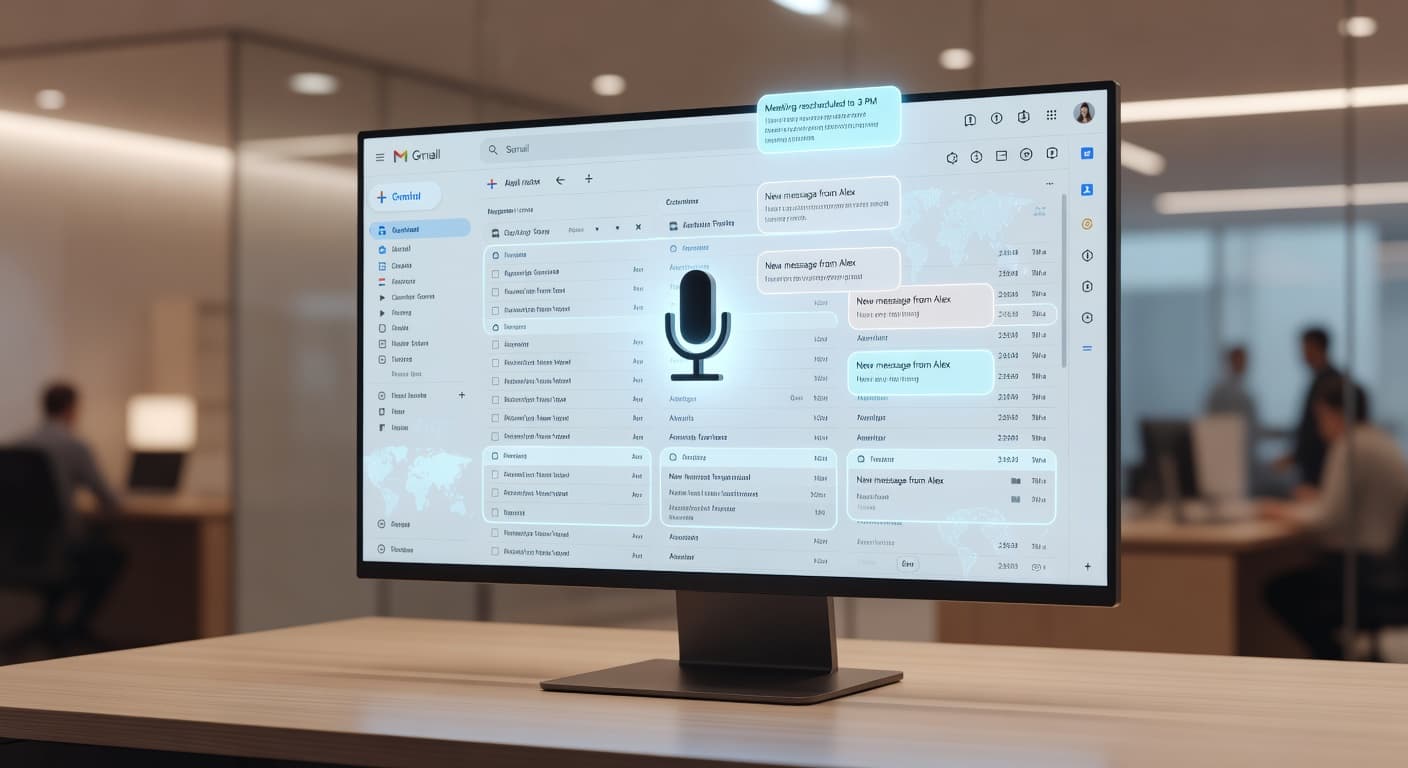
Gmail Gets Smarter: Google Unveils Advanced AI Inbox with Voice Search & Proactive Agents
Google is transforming Gmail with powerful new AI features, including conversational voice search and proactive information agents, making email management more intuitive and efficient.

Google Unveils Groundbreaking AI Advances, Including a Revolutionary Personal Assistant
Google is making waves with a slew of new AI innovations, highlighted by the imminent launch of a sophisticated personal AI assistant designed to transform user interaction and productivity.