
Google Search Transforms: Gemini 3.5 Flash Powers New Era of AI-Summarized Results
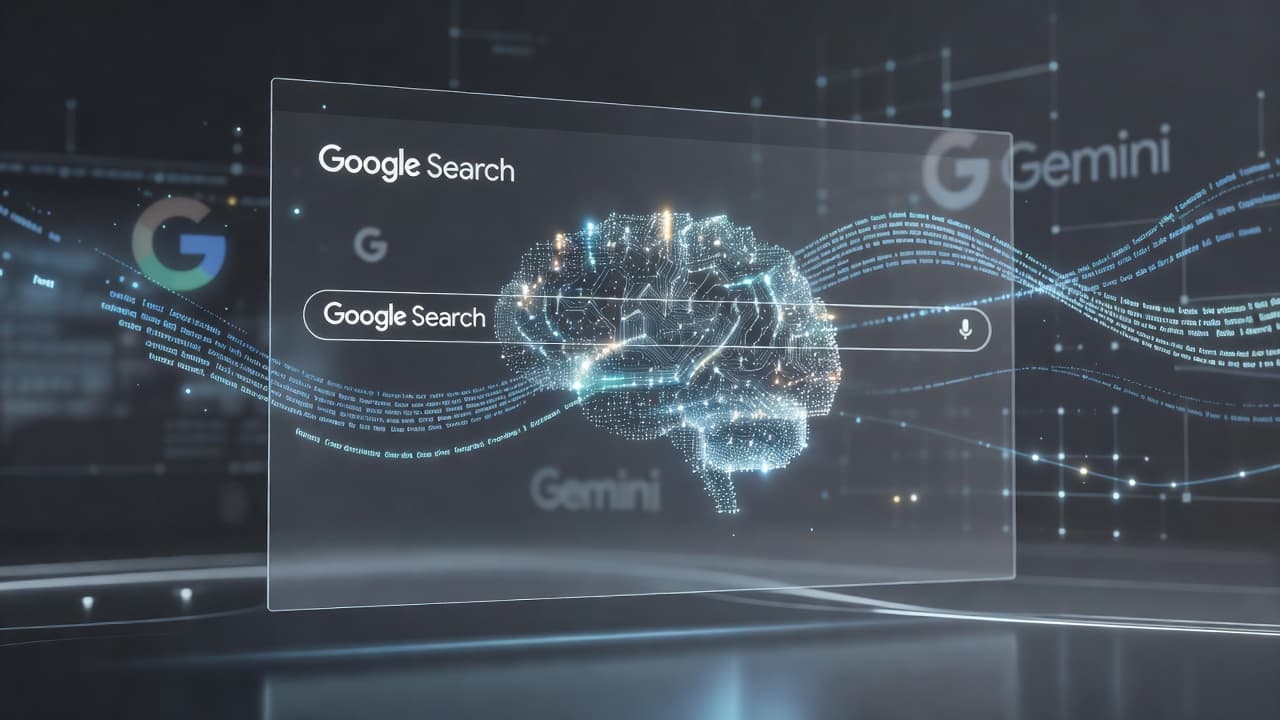
Google Search is undergoing a major transformation, powered entirely by Gemini 3.5 Flash, shifting towards AI-summarized results for a more efficient user experience.
The Dawn of a New Search Era: Google Embraces Gemini 3.5 Flash
The internet's vast ocean of information is constantly evolving, and at its helm, Google Search is charting a new course. Google announces that its foundational search engine will now be powered entirely by Gemini 3.5 Flash, ushering in an era dominated by AI-summarized results. This strategic move promises to redefine how users interact with information, offering a glimpse into the future of intelligent search.
For decades, Google Search has been synonymous with finding information online. Now, the tech giant is taking a bold leap, integrating its latest generative AI model as the exclusive engine behind its search capabilities. This isn't just an update; it's a fundamental re-architecture designed to deliver more intuitive, efficient, and direct answers to user queries.
Unpacking Gemini 3.5 Flash: Speed Meets Intelligence
Gemini 3.5 Flash is Google's newest, most lightweight, and rapid generative AI model within the broader Gemini family. Engineered specifically for speed and efficiency, it's optimized for high-volume tasks requiring quick responses, making it an ideal candidate for real-time search queries. Its integration signifies Google's profound commitment to leveraging cutting-edge AI to enhance user experience dramatically. This particular version prioritizes agility without sacrificing the depth of understanding needed for complex information retrieval.
The Pivot to AI-Summarized Results: Getting Answers Directly
The most visible change for users will be the increased prominence of AI-summarized results. Instead of merely presenting a list of links, Google Search will now actively synthesize information from multiple sources to provide concise, direct answers at the top of the search results page. This means users might find the answer to their question without needing to click through to external websites, streamlining the information-gathering process significantly. This shift aims to reduce information overload and deliver immediate value.
Impact on Users and Content Creators: Navigating the New Landscape
An Enhanced User Experience: Efficiency at Your Fingertips
For the average user, this transition promises a more efficient and less cluttered search experience. Imagine asking a complex question and receiving a well-articulated summary, complete with key facts and different perspectives, all within seconds. The goal is to move beyond mere link aggregation to becoming a direct answer engine, making information more accessible and digestible. This could be particularly beneficial for quick fact-finding, research overviews, and understanding complex topics at a glance.
Challenges and Opportunities for Publishers and SEO Professionals
While beneficial for users, this paradigm shift presents both challenges and opportunities for content creators, publishers, and SEO professionals. Websites that rely heavily on organic traffic driven by specific keywords may see changes in user behavior, as fewer clicks might be needed to satisfy a query. The emphasis will increasingly be on creating authoritative, high-quality content that AI models can accurately summarize and cite, reinforcing the importance of expertise and trustworthiness.
Key considerations for content creators in this evolving landscape include:
- Optimizing for direct answers: Structuring content to be easily digestible and summarizable by AI, often by front-loading key information.
- Building brand authority: Ensuring content is trustworthy, well-researched, and recognized as a reliable source.
- Focusing on unique value: Providing insights, analyses, and perspectives that go beyond what a simple AI summary can offer.
- Adapting SEO strategies: Shifting focus from purely keyword density to semantic relevance, comprehensive topic coverage, and E-E-A-T (Experience, Expertise, Authoritativeness, Trustworthiness) principles.
Google's Vision for the Future of Search
This move firmly positions Google at the forefront of the generative AI revolution, reiterating its long-term vision for an AI-first future. By integrating Gemini 3.5 Flash so deeply into its core product, Google is not just reacting to industry trends but actively shaping them. This is a significant step towards a more conversational, intelligent, and proactive search experience, where the engine anticipates needs and delivers precise information. The evolution hints at a future where search engines are less about navigating the web and more about intelligent knowledge assistants, fundamentally changing how we seek and receive information.
The integration of Gemini 3.5 Flash into Google Search marks a pivotal moment in information retrieval. While the transition will bring adjustments, the goal remains clear: to make information more accessible, immediate, and intelligently presented. As Google refines its AI, the future of search promises to be more dynamic, personalized, and insightful. This bold step solidifies Google's commitment to innovation and its ongoing quest to organize the world's information.
How this article was made
- Sources
- Crescendo AI News
- Generated on:
- Jun 22, 2026
This content is produced by Acerbo.AI's AI editorial pipeline: source gathering, rewriting and imagery are automated. Editorial oversight stays human.
Related Articles

Google's AI Search Levels Up: From Answers to Action with Agentic Features
Google is transforming its AI search with new agentic features, allowing it to perform complex tasks and act on users' behalf. This shift moves beyond traditional information retrieval to proactive digital assistance, promising enhanced productivity and a more intuitive online experience.
Google's Gemini 2.5 Pro Unleashes "Deep Think" Mode, Redefining AI Reasoning
Google's Gemini 2.5 Pro, featuring the new 'Deep Think' reasoning mode, has achieved record-breaking scores on scientific benchmarks, surpassing OpenAI and Anthropic. This marks a significant leap in AI reasoning capabilities, intensifying the global AI race.
Google's Gemini 2.5 Pro Unleashes 'Deep Think' Mode, Outpaces Rivals in Science Benchmarks
Google's latest AI, Gemini 2.5 Pro, powered by its groundbreaking 'Deep Think' reasoning mode, has reportedly surpassed OpenAI's GPT-5.5 and Anthropic's Fable 5 in critical science benchmarks, marking a significant leap in AI capabilities.