
Google's AI Revolution: Display Ads Merge into Demand Gen, Redefining Digital Advertising
Google is integrating its traditional Display Ads into the AI-powered Demand Gen platform, marking a significant evolution in digital advertising strategy and performance for marketers worldwide.
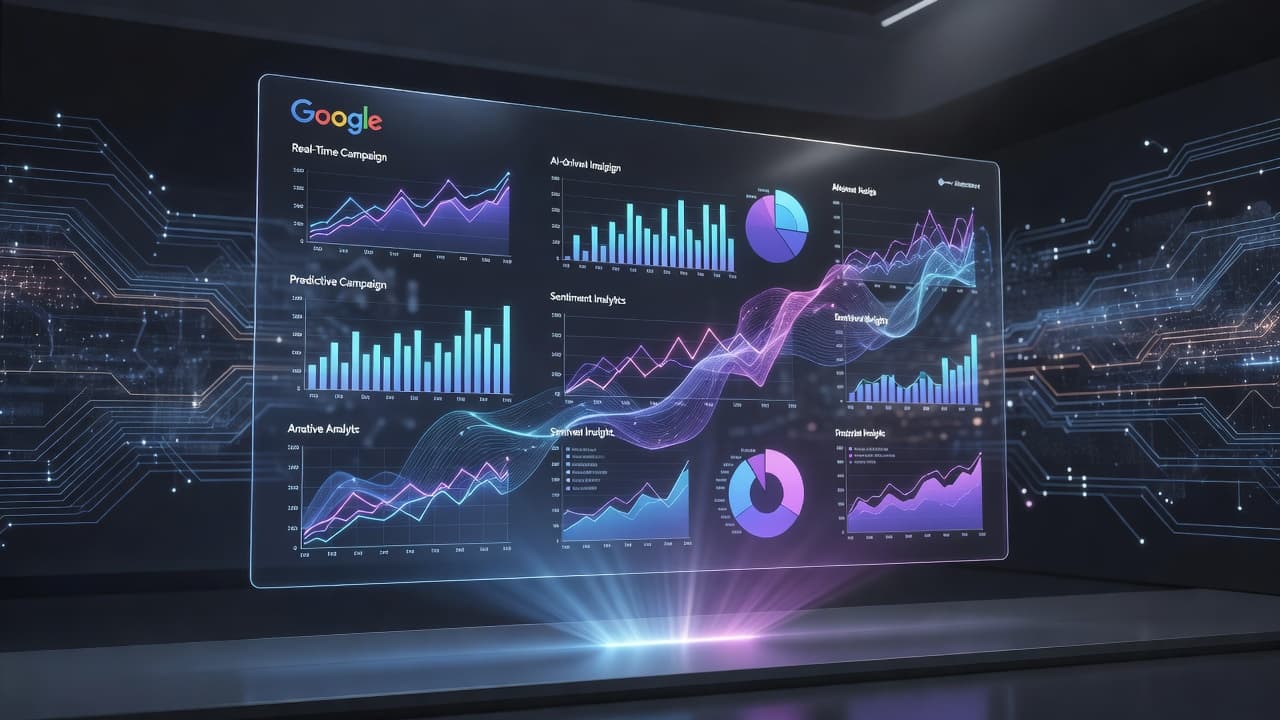
Google Unveils a New Era for Digital Advertising
In a move that signals a profound shift in the landscape of online marketing, Google has officially announced the integration of its long-standing Display Ads into the advanced, AI-powered Demand Gen platform. This strategic consolidation is poised to redefine how advertisers connect with their audiences, leveraging the immense capabilities of artificial intelligence and machine learning to drive more effective and engaging campaigns globally.
The decision underscores Google's commitment to simplifying its advertising ecosystem while simultaneously enhancing the power and precision available to marketers. For an international English-speaking audience, this means a more unified and intelligent approach to reaching potential customers across various Google properties and beyond.
Understanding the Strategic Merger: Display Ads Meet Demand Gen
For years, Google Display Ads have been a cornerstone of brand awareness and reach, allowing advertisers to place visual ads across a vast network of websites, apps, and YouTube. They were essential for broad visibility and capturing attention.
Now, these capabilities are being absorbed into Demand Gen, Google's next-generation platform designed to harness AI for deeper audience understanding and proactive campaign optimization. Demand Gen isn't just about showing ads; it's about predicting user intent and placing the right message at the right time, across Google's most immersive surfaces like YouTube, Gmail, and Discover feeds.
The AI Advantage: Precision, Performance, and Personalization
The core of this transformation lies in the sophisticated artificial intelligence and machine learning algorithms powering Demand Gen. These technologies enable:
- Hyper-Targeting: AI analyzes vast datasets to identify granular audience segments with high purchase intent, moving beyond basic demographics to behavioral patterns and interests.
- Automated Optimization: Campaigns can dynamically adjust bids, creatives, and placements in real-time to maximize performance and return on investment (ROI).
- Enhanced Creative Performance: AI can help advertisers understand which ad creatives resonate best with specific audiences, even generating variations to optimize engagement.
- Seamless Cross-Platform Reach: Advertisers can now manage campaigns that span YouTube, Gmail, and Discover from a single, unified interface, ensuring a consistent brand message.
This integration promises to deliver not just more efficient ad spending but also more impactful and personalized user experiences, a critical factor for success in competitive global markets.
Implications for Global Advertisers and the Future of AdTech
For businesses and agencies operating internationally, this shift presents both opportunities and a learning curve. Advertisers will need to embrace AI-driven strategies and focus more on providing high-quality creative assets that the Demand Gen platform can optimize.
The move signifies a broader trend in the AdTech industry towards automation and intelligence. As AI continues to evolve, the ability to predict, personalize, and optimize will become paramount. This consolidation by Google positions Demand Gen as a formidable tool for performance marketing, especially for brands looking to drive conversions and cultivate demand efficiently on a global scale.
Navigating the Evolving Digital Advertising Landscape
Google's decision to fold Display Ads into Demand Gen is more than just a product update; it's a clear signal that AI is no longer just an enhancement but the very foundation of effective digital advertising. Advertisers who adapt quickly to this intelligent, unified approach will be best positioned to unlock new levels of efficiency, reach, and engagement, ultimately securing a competitive edge in the fast-paced world of online marketing.
How this article was made
- Sources
- AI News
- Generated on:
- Jun 6, 2026
This content is produced by Acerbo.AI's AI editorial pipeline: source gathering, rewriting and imagery are automated. Editorial oversight stays human.
Related Articles
Google's AI Search Levels Up: From Answers to Action with Agentic Features
Google is transforming its AI search with new agentic features, allowing it to perform complex tasks and act on users' behalf. This shift moves beyond traditional information retrieval to proactive digital assistance, promising enhanced productivity and a more intuitive online experience.
Google Unveils Groundbreaking AI Advances, Including a Revolutionary Personal Assistant
Google is making waves with a slew of new AI innovations, highlighted by the imminent launch of a sophisticated personal AI assistant designed to transform user interaction and productivity.
Google Cloud's AI Leap: Ushering in the Agentic Enterprise Era
Google Cloud is at the forefront of AI innovation, empowering businesses to transform into 'Agentic Enterprises' through advanced machine learning and autonomous intelligent agents.