
Hydrogen's Holy Grail? New Method Slashes Clean Fuel Costs & Boosts Production
A groundbreaking scientific discovery promises to revolutionize hydrogen production, making the clean fuel significantly cheaper and easier to generate, paving the way for a sustainable energy future.
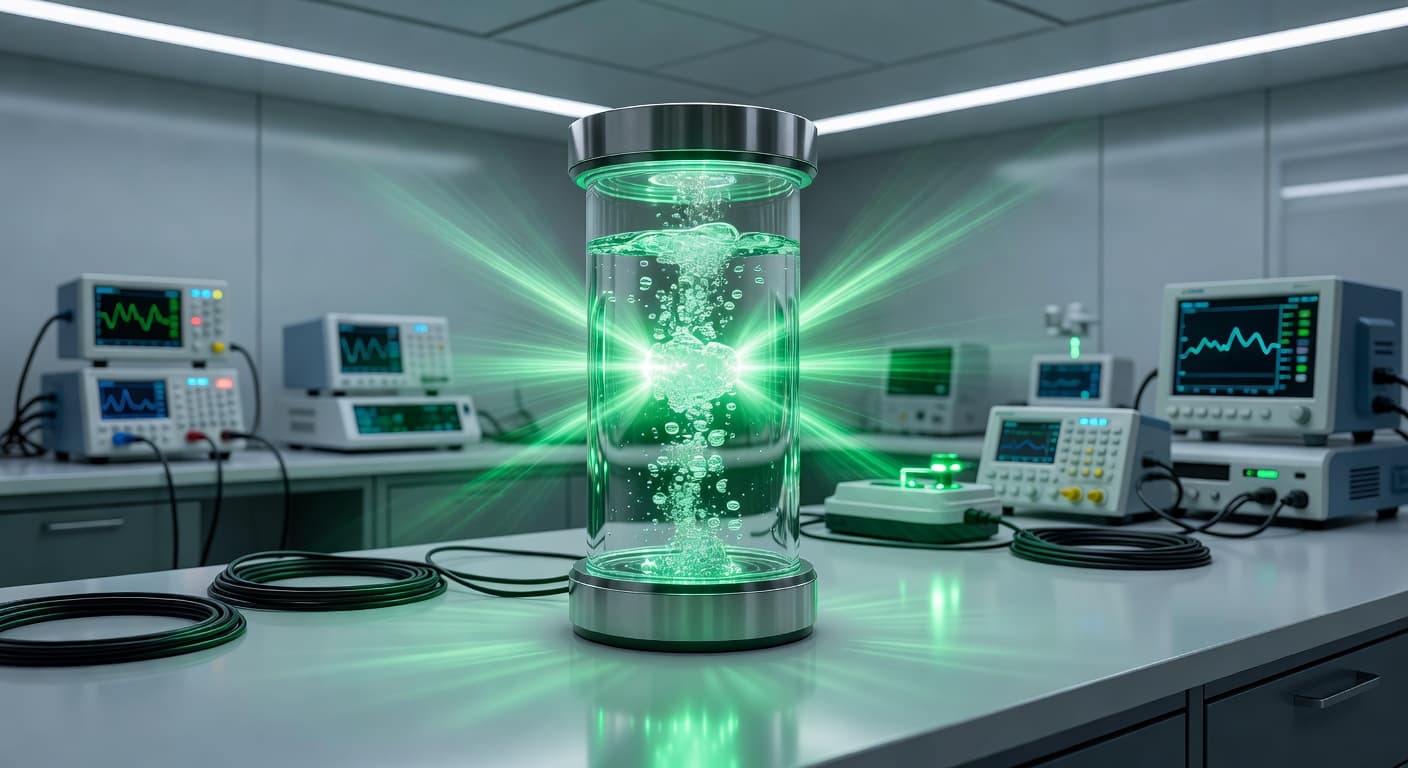
The quest for truly clean and affordable energy has long seen hydrogen as a beacon of hope. As a fuel that produces only water when burned or used in fuel cells, hydrogen holds immense potential to decarbonize industries, transport, and power generation. However, its widespread adoption has been hampered by the high costs and energy intensity of traditional production methods. Now, a recent scientific breakthrough could be set to change all that, offering a path to generate hydrogen far more cheaply and easily than ever before.
Unlocking the Power of Green Hydrogen
For decades, scientists have pursued "green hydrogen" – hydrogen produced using renewable energy sources without generating greenhouse gas emissions. While the concept is simple, the practicalities have been complex. Conventional electrolysis, which uses electricity to split water into hydrogen and oxygen, often relies on expensive catalysts like platinum and demands substantial energy input, making it economically challenging to scale.
Overcoming Traditional Hurdles
The primary barrier to a hydrogen-powered economy has been the efficiency and cost of its production. Current methods often either consume vast amounts of electricity (making the "green" aspect dependent on the grid's energy mix) or rely on fossil fuels, negating the environmental benefits. A truly sustainable hydrogen future requires a method that is not only clean but also economically viable on a global scale, capable of competing with established energy sources.
A Revolutionary Leap in Hydrogen Generation
Enter the latest innovation: a novel method that drastically reduces the energy required to split water and utilizes readily available, inexpensive materials. This isn't just an incremental improvement; it's a fundamental shift in how we approach hydrogen production, making the dream of abundant, affordable clean fuel a tangible reality.
The Science Behind the Simplicity
While specific details are still emerging from the scientific community, the core of this breakthrough lies in a sophisticated yet elegant electrochemical process. Researchers have engineered a new catalyst system that operates with remarkable efficiency, requiring significantly less electrical energy to break the strong bonds within water molecules. This advanced system not only lowers energy consumption but also avoids the need for rare and costly precious metals, instead leveraging earth-abundant elements that are far more sustainable and economical.
- Reduced Energy Footprint: The new method requires substantially less electricity, decreasing operational costs and improving overall energy efficiency.
- Cost-Effective Materials: By utilizing abundant, non-precious catalysts, production expenses are dramatically lowered.
- Enhanced Scalability: The simpler, cheaper process makes large-scale deployment more feasible across diverse geographical locations.
Paving the Way for a Sustainable Energy Future
The implications of this breakthrough are profound. By making hydrogen production cheaper and easier, this innovation has the potential to accelerate the global transition to a clean energy economy. Industries currently reliant on fossil fuels, from heavy manufacturing to long-haul transportation, could see a viable pathway to decarbonization through green hydrogen.
Economic and Environmental Impact
The economic benefits are multifaceted. Lower production costs mean hydrogen can become competitive with traditional fuels, stimulating investment and job creation in the green energy sector. Environmentally, widespread adoption of this method would lead to a significant reduction in global carbon emissions, helping to combat climate change and improve air quality worldwide.
Imagine a world where clean hydrogen fuels our vehicles, powers our homes, and drives our industries, all without the burden of prohibitive costs or complex infrastructure. This scientific advancement brings that vision much closer to reality, offering a beacon of hope for a sustainable future.
Looking Ahead: The Road to Widespread Adoption
While the initial findings are incredibly promising, the next steps involve further research, optimization, and scaling up the technology for industrial application. Collaborations between academia, industry, and governments will be crucial to translate this laboratory success into real-world impact. However, the trajectory is clear: this breakthrough represents a monumental stride towards making green hydrogen the cornerstone of our future energy landscape.
How this article was made
- Sources
- ScienceDaily
- Generated on:
- Jun 3, 2026
This content is produced by Acerbo.AI's AI editorial pipeline: source gathering, rewriting and imagery are automated. Editorial oversight stays human.
Related Articles
Game-Changing Breakthrough: New Method Promises Affordable Green Hydrogen for a Cleaner Future
A revolutionary new hydrogen production method could drastically cut costs and simplify generation, paving the way for widespread adoption of clean fuel and accelerating the global energy transition.

Revolutionary Dirt-Powered Fuel Cell Emerges as Game-Changer for Sustainable Energy
In a significant leap for sustainable technology, scientists have developed a pioneering dirt-powered fuel cell, promising a greener alternative to conventional batteries and a new era of eco-friendly power generation.
Helion Rockets to $15.5 Billion Valuation with New $465M Funding, Eyes Commercial Fusion This Decade
Fusion energy pioneer Helion has achieved a staggering $15.5 billion valuation, fueled by a fresh $465 million investment as it races to commercialize fusion power by 2030.