
Navigating Corporate Distress: Essential KPIs for European SMEs
Discover vital KPIs and dashboard strategies for effective board-level monitoring during corporate distress and turnaround efforts.
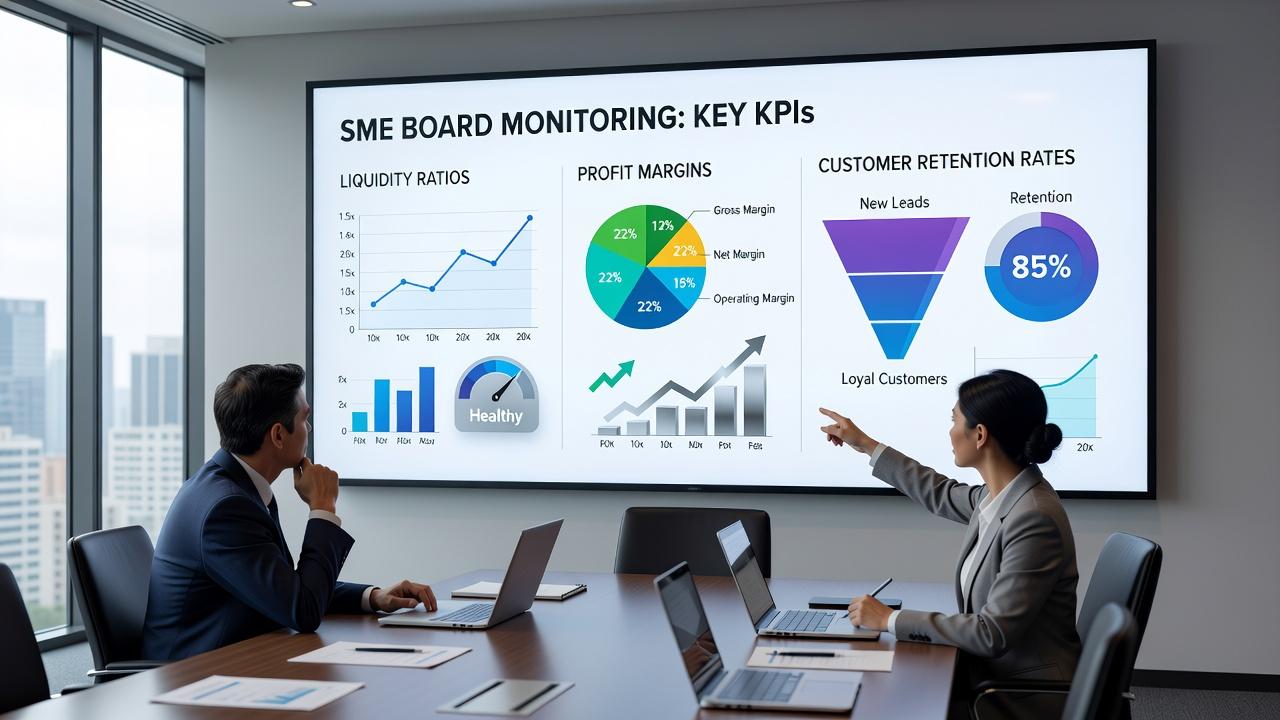
Understanding Corporate Distress in SMEs
In the current economic landscape, many small and medium-sized enterprises (SMEs) face unprecedented challenges, from supply chain disruptions to market volatility. For decision-makers, recognizing the signs of corporate distress early is crucial. This guide explores effective strategies for board-level monitoring, focusing on essential KPIs and how to utilize data-driven restructuring plans.
The Importance of Key Performance Indicators (KPIs)
KPIs serve as vital signs of business health. For SMEs undergoing distress or considering a turnaround, selecting the right KPIs is fundamental. Here are some crucial KPIs to monitor:
- Liquidity Ratios: Measure the company's ability to meet short-term obligations.
- Profit Margins: Evaluate operational efficiency and pricing strategies.
- Customer Retention Rates: Reflect customer loyalty and satisfaction.
- Debt-to-Equity Ratio: Indicate financial stability and leverage.
- Operational Metrics: Track productivity levels and employee engagement.
Establishing the Right Cadence for Monitoring
Determining how often to review these KPIs is just as important as selecting them. Regular monitoring can help boards detect trends early, enabling proactive decision-making. Here’s a recommended cadence:
- Weekly Reviews: Focus on liquidity and cash flow metrics to ensure operational viability.
- Monthly Reviews: Analyze profit margins and customer retention to assess market positioning.
- Quarterly Strategy Sessions: Evaluate overall financial health and adjust long-term strategies based on KPI performance.
Data-Driven Restructuring: A Practical Approach
Implementing a data-driven restructuring plan involves more than just identifying KPIs; it requires a structured methodology to govern the restructuring process effectively. Here are key steps to consider:
- Assess Current Performance: Use KPI data to evaluate the current state and identify areas needing improvement.
- Engage Stakeholders: Communicate with employees, investors, and customers to gather insights and foster buy-in.
- Develop Actionable Strategies: Based on KPI analysis, create specific, measurable, achievable, relevant, and time-bound (SMART) goals.
- Implement Changes: Execute the restructuring plan while continuously monitoring performance against KPIs.
- Review and Adjust: Regularly revisit the restructuring strategy to ensure alignment with business objectives and market conditions.
Leveraging AI for Enhanced Decision-Making
Incorporating artificial intelligence into decision-making processes can significantly enhance the effectiveness of KPI monitoring and restructuring efforts. AI tools can analyze large datasets, identify patterns, and predict future trends, thus providing valuable insights for SMEs. Here are some ways AI can support your business:
- Predictive Analytics: Anticipate market shifts and customer behavior changes.
- Automated Reporting: Streamline the process of KPI tracking and dashboard creation.
- Risk Assessment: Evaluate potential risks associated with various business decisions.
Governance Structures for Effective Monitoring
Establishing a governance framework is essential for ensuring the successful implementation of KPI monitoring and restructuring plans. Key elements of an effective governance structure include:
- Defined Roles and Responsibilities: Clearly outline who is responsible for monitoring each KPI and making decisions based on the data.
- Regular Board Meetings: Schedule consistent meetings to review KPIs and adjust strategies as needed.
- Transparent Reporting: Ensure that all stakeholders have access to relevant data and performance reports.
Future Perspectives: Resilience and Adaptability
In a rapidly changing business environment, the ability to adapt is crucial for SME survival. By focusing on effective KPI monitoring, utilizing data-driven restructuring plans, and integrating AI tools, European SMEs can not only navigate periods of distress but also emerge stronger. The key takeaway is that being proactive rather than reactive can significantly mitigate risks and position your company for future success.
For more insights on implementing AI strategies in your business, explore our AI consulting services for SMEs.
How this article was made
- Sources
- Odinbrook
- Rewriting model:
- openai/gpt-4o-mini
- Image generated with:
- xAI Grok
- Generated on:
- 8h ago
This content is produced by Acerbo.AI's AI editorial pipeline: source gathering, rewriting and imagery are automated. Editorial oversight stays human.
Related Articles

Market Movements: Insights from November 12, 2026
Explore the key developments in the stock market as of November 12, 2026, highlighting trends, impacts, and expert opinions.

US Inflation Jumps to 3.7%, Sending Shockwaves Through Tech Markets
The latest US inflation figures reveal an unexpected rise to 3.7%, sparking renewed concerns among investors and sending ripples of pressure across the technology sector.

Strong Bank Earnings Fail to Sway Markets: Unpacking Wall Street's Indifference
Major banks have reported impressive quarterly earnings, showcasing robust financial health. However, the market's muted reaction suggests deeper concerns about future economic headwinds, interest rate trajectories, and investor sentiment. We delve into the paradox.