
North American Trade Tensions Soar: US-Canada Talks Collapse, Sparking New Trade War Fears
A last-minute breakdown in critical trade negotiations between the United States and Canada has reignited fears of a damaging trade war, threatening economic stability across the continent.
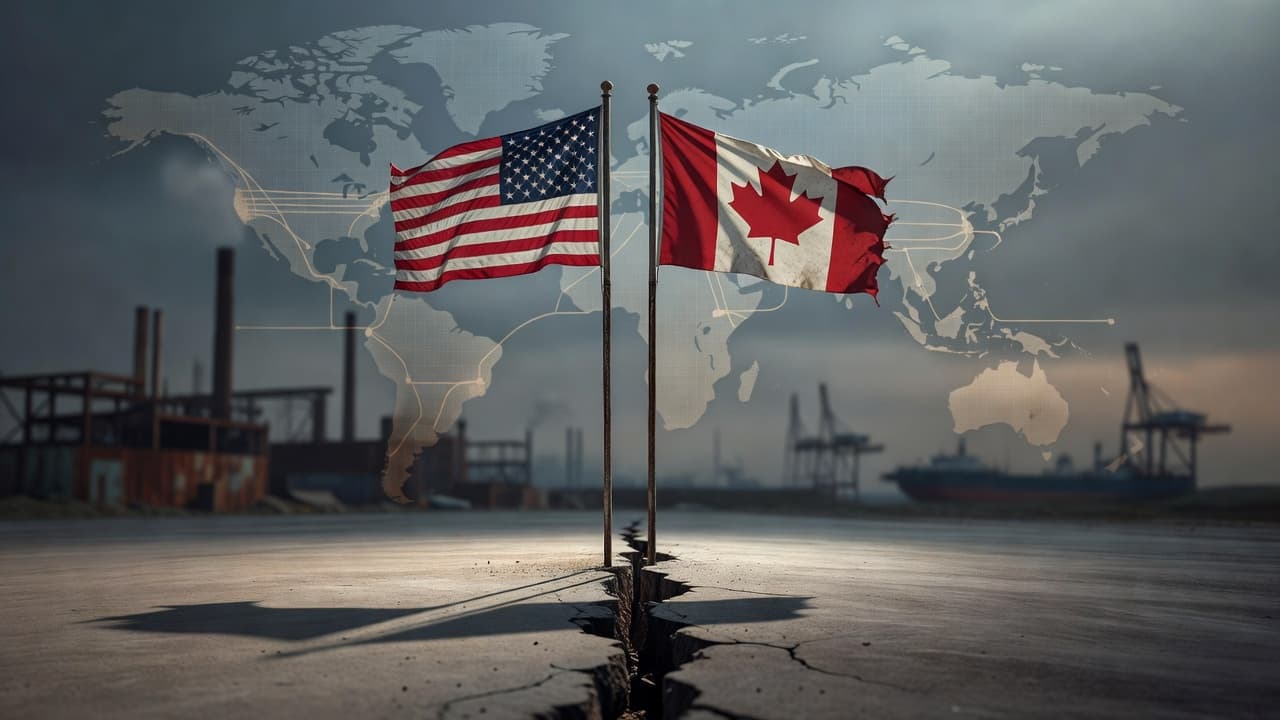
North American Trade Tensions Flare: US-Canada Talks Collapse at the Eleventh Hour
The geopolitical landscape of North America is once again bracing for economic turbulence as crucial trade talks between the United States and Canada have dramatically collapsed. This eleventh-hour failure has reignited concerns over a looming trade war, threatening to disrupt supply chains, impact key industries, and sour diplomatic relations between two of the world's closest allies. The inability to reach a consensus marks a significant setback, potentially ushering in a new era of protectionist measures and retaliatory tariffs.
A Fractured Alliance: The History of Cross-Border Friction
The trade relationship between the U.S. and Canada, while extensive and deeply integrated, has frequently been punctuated by disputes. From lumber to dairy and steel to aluminum, both nations have historically employed tariffs and trade barriers to protect domestic industries. This latest impasse follows a period of uneasy calm, suggesting that underlying tensions were never fully resolved, only temporarily shelved. The sheer volume of bilateral trade, exceeding hundreds of billions annually, makes any disruption profoundly impactful.
Details surrounding the precise reasons for the breakdown remain somewhat opaque, but sources close to the negotiations indicate deep-seated disagreements on several contentious issues. Key sticking points reportedly included access to Canada's dairy market, U.S. demands regarding automotive rules of origin, and ongoing disputes over steel and aluminum tariffs. Despite intensive last-minute efforts, negotiators were unable to bridge the divide, leading to an abrupt cessation of discussions and a palpable sense of disappointment on both sides.
Economic Fallout: Industries on Edge Across the Continent
The immediate consequence of this diplomatic failure is the increased likelihood of new or escalating tariffs. Industries heavily reliant on cross-border trade are now bracing for potential economic shocks. The automotive sector, with its highly integrated supply chains spanning both countries, is particularly vulnerable. Manufacturers fear increased costs, reduced competitiveness, and potential job losses if new tariffs are imposed on parts or finished vehicles.
Beyond manufacturing, the agricultural sector, especially dairy and lumber, is also on high alert. Canadian farmers have long protected their dairy supply management system, a frequent target of U.S. criticism. Similarly, the decades-old softwood lumber dispute could flare up with renewed intensity. Consumers in both nations could face higher prices and reduced product availability as businesses pass on tariff-related costs, leading to broader economic inflation.
Broader Implications for Global Trade Stability
The re-emergence of a trade conflict between the U.S. and Canada sends a troubling signal to the international community. At a time when global economies are navigating complex challenges, including inflation and geopolitical instability, trade protectionism among traditional allies can undermine efforts towards collective recovery. It also highlights the fragility of existing trade agreements and the persistent appeal of nationalistic economic policies, potentially encouraging other nations to adopt similar stances.
Navigating the Path Forward: Diplomacy on Hold?
With talks stalled, the immediate future of U.S.-Canada trade relations appears uncertain. Both governments face internal pressures to protect domestic interests, making compromise difficult. The economic stakes are exceptionally high, demanding careful consideration of retaliatory measures and their long-term consequences. Leaders will need to weigh the political gains of protectionism against the potential for significant economic damage to their respective economies.
While the current outlook is grim, history suggests that trade disputes between these two nations often find eventual resolution, albeit after periods of intense negotiation and economic strain. However, the latest breakdown underscores the persistent challenges in balancing national economic sovereignty with the benefits of a free and open trade environment. The coming weeks will reveal the extent of the economic fallout and the diplomatic strategies employed to de-escalate this potentially damaging conflict, impacting millions across North America.
How this article was made
- Sources
- CNN Business
- Rewriting model:
- gemini-2.5-flash
- Image generated with:
- xAI Grok
- Generated on:
- Aug 23, 2026
This content is produced by Acerbo.AI's AI editorial pipeline: source gathering, rewriting and imagery are automated. Editorial oversight stays human.
Related Articles

Federal Reserve Pauses on Rates, Monitors Tariff Impact on Global Economy
The U.S. Federal Reserve has held interest rates steady, adopting a 'wait and see' approach amidst escalating global trade tensions. The central bank aims to assess the full economic impact of tariffs before making further monetary policy adjustments, signaling caution for international markets.

Global Markets Reel: A Triple Threat of Jobs, War, and Credit Woes Sinks Stocks
International markets are grappling with significant downturns as a confluence of factors – softening job markets, escalating geopolitical tensions, and tightening credit conditions – creates widespread investor uncertainty.

Federal Reserve Holds Rates Steady Amidst Global Trade Tariff Uncertainty
The U.S. Federal Reserve has maintained its benchmark interest rate, adopting a 'wait and see' approach as it closely monitors the complex economic repercussions of ongoing international trade tariffs.