
NVIDIA Unleashes Ising: Pioneering Open AI Models for Quantum Computing
NVIDIA marks a quantum leap with the launch of Ising, the world's first open-source AI models designed specifically for quantum computing, empowering developers and researchers globally.
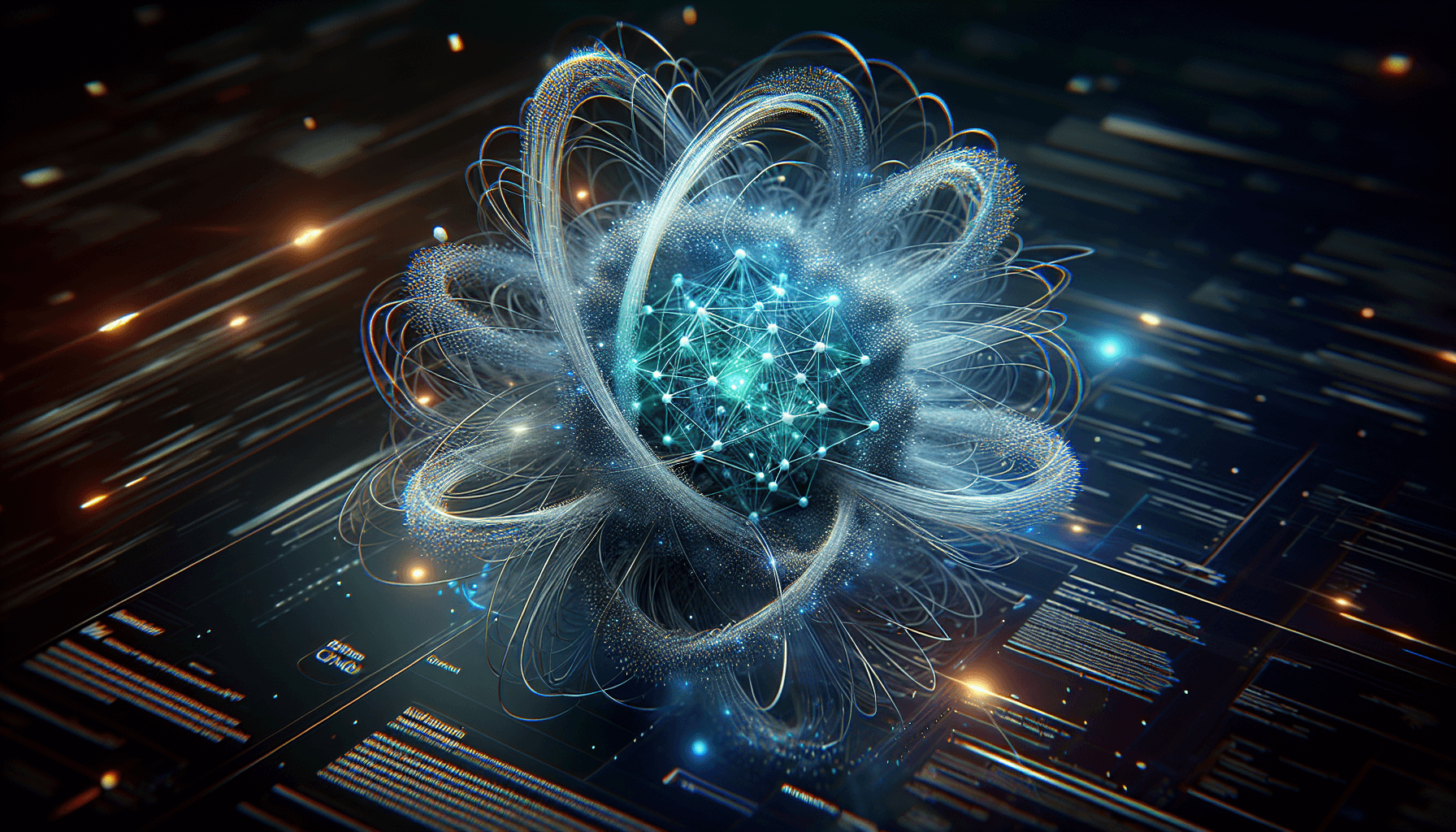
A Quantum Leap Forward: NVIDIA's Ising Models Revolutionize AI for Quantum Computing
In a groundbreaking announcement that reverberates through the realms of artificial intelligence and quantum computing, NVIDIA has unveiled Ising – heralded as the world's first open-source AI models specifically engineered for quantum computing environments. This pivotal release from the tech giant signifies a monumental stride towards democratizing access to advanced quantum AI capabilities, promising to accelerate research and development across numerous scientific and industrial sectors.
The introduction of Ising models is not merely an incremental update; it represents a fundamental shift in how developers and researchers can approach the formidable challenges of quantum algorithm design and optimization. By providing open access to these specialized AI models, NVIDIA is setting a new standard for collaborative innovation in the nascent, yet rapidly evolving, field of quantum artificial intelligence.
Understanding the Ising Models: Bridging Classical AI and Quantum Mechanics
The name "Ising" is a direct nod to the Ising model, a fundamental concept in statistical mechanics used to describe magnetic systems and phase transitions. This classic model, known for its ability to represent complex interactions between discrete variables, has long been a cornerstone for understanding and simulating various physical phenomena. NVIDIA's Ising AI models build upon this theoretical foundation, adapting its principles to create powerful tools for quantum computing.
- Optimization Problems: Ising models are inherently suited for mapping complex optimization problems, which are prevalent in fields like logistics, finance, and drug discovery, onto quantum hardware.
- Quantum Simulation: They can aid in simulating the behavior of quantum systems, crucial for materials science and chemistry research.
- Machine Learning on Quantum Hardware: By leveraging the unique properties of quantum mechanics, these models pave the way for developing novel machine learning algorithms that could outperform classical counterparts for specific tasks.
These models are designed to enable developers to more effectively harness the computational power of quantum processors, even in their current early stages of development. They act as a critical bridge, allowing AI techniques to be applied directly to quantum bit (qubit) interactions and quantum states.
The Power of Open Source: Accelerating Quantum AI Development
NVIDIA's decision to make the Ising models open source is perhaps as significant as the models themselves. This move aligns with the broader ethos of collaborative innovation that has driven much of the progress in classical AI and software development. Open sourcing ensures:
- Accessibility: Lowering the barrier to entry for researchers, startups, and academic institutions worldwide.
- Community-Driven Innovation: Fostering a vibrant ecosystem where developers can contribute, modify, and improve the models, leading to faster advancements.
- Transparency and Trust: Allowing for peer review and validation, which is crucial for building robust and reliable quantum software.
By unleashing these tools into the public domain, NVIDIA is actively cultivating a global community dedicated to exploring and expanding the frontiers of quantum AI, ensuring that the benefits of this technology are shared widely.
NVIDIA's Broader Vision for Quantum Computing
This launch is not an isolated event but fits seamlessly into NVIDIA's overarching strategy to become a foundational provider for the quantum computing ecosystem. The company has been actively investing in quantum research and development, particularly through initiatives like cuQuantum, a software development kit for accelerating quantum circuit simulations, and QODA (Quantum Optimized Device Architecture), a unified programming model for hybrid quantum-classical computing.
The Ising models will likely integrate with these existing platforms, offering a comprehensive suite of tools that span from quantum hardware simulation to the development of sophisticated quantum algorithms and AI applications. This holistic approach positions NVIDIA as a key enabler for the quantum computing era, providing essential infrastructure for both hardware and software innovation.
The Future of Quantum AI: Unlocking Unprecedented Potential
The advent of open AI models like Ising holds immense promise for the future. As quantum hardware continues to mature, these models will be instrumental in unlocking capabilities far beyond what classical computers can achieve. Imagine breakthroughs in:
- Drug Discovery: Simulating molecular interactions with unparalleled accuracy to design new pharmaceuticals.
- Materials Science: Engineering novel materials with desired properties at the atomic level.
- Financial Modeling: Developing more sophisticated and accurate risk assessment and optimization strategies.
NVIDIA's Ising models represent a bold step towards a future where quantum computing and artificial intelligence are not just theoretical concepts but practical tools driving real-world progress. This open-source initiative is poised to ignite a new wave of innovation, empowering a global community to collectively shape the quantum future.
How this article was made
- Sources
- Crescendo AI
- Generated on:
- Apr 28, 2026
This content is produced by Acerbo.AI's AI editorial pipeline: source gathering, rewriting and imagery are automated. Editorial oversight stays human.
Related Articles

Nvidia's Monumental AI Move: Acquiring Hugging Face for $13 Billion
Nvidia makes a groundbreaking $13 billion acquisition of Hugging Face, the leading open-source AI platform. This strategic move merges Nvidia's GPU power with Hugging Face's vast developer community to redefine AI development.
Google Gemini Soars Past 1 Billion Users Amidst Major AI Division Reshuffle
Google's flagship AI platform, Gemini, has achieved an extraordinary milestone, exceeding 1 billion monthly active users while the tech giant simultaneously undertakes a significant reorganization of its core artificial intelligence division.

OpenAI Unleashes 'Ultrafast' Mode: GPT-5.6 Sol Now 14x Faster, Reshaping AI Interaction
OpenAI has unveiled 'Ultrafast,' a groundbreaking new mode for its GPT-5.6 Sol model, dramatically boosting processing speeds by an astonishing 14 times. This enhancement promises to redefine real-time AI applications and user experience globally.