
Spotify Unveils AI Music Assistant: Your Next-Gen Conversational DJ Arrives
Spotify is revolutionizing music discovery with a new AI-powered assistant, akin to ChatGPT, promising hyper-personalized playlists and interactive sonic experiences for users worldwide.
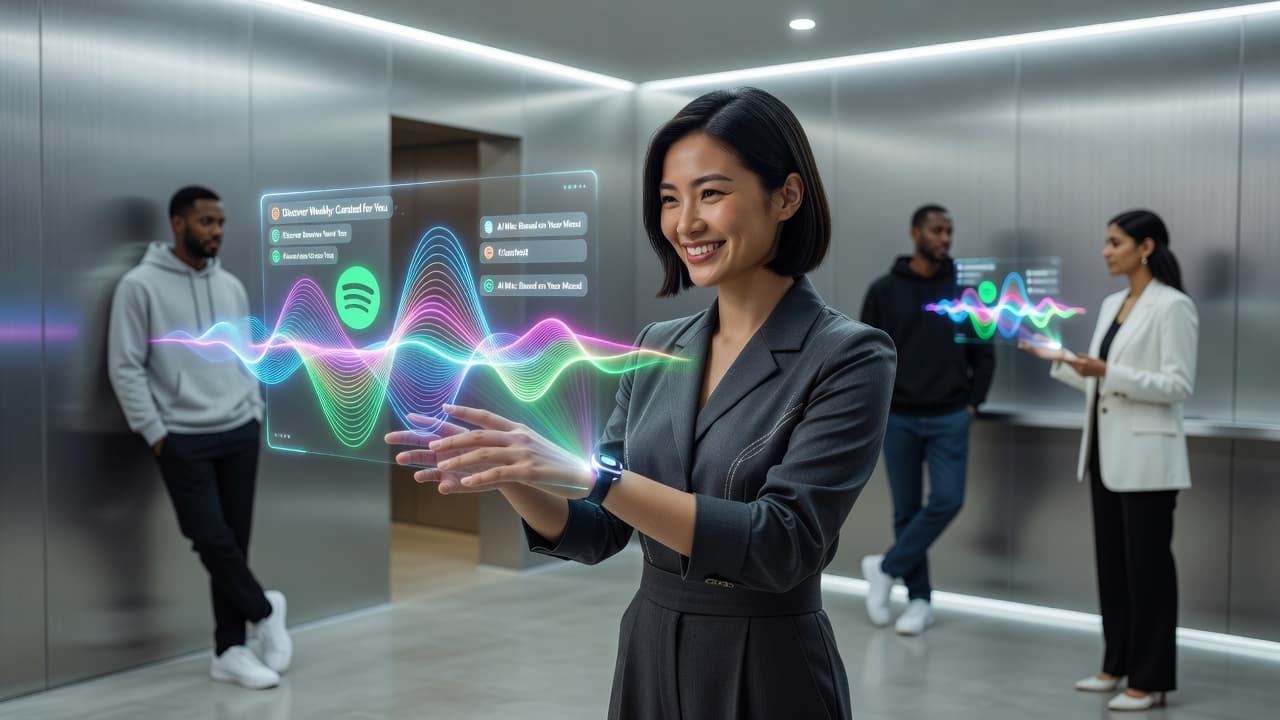
Spotify Levels Up Music Discovery with ChatGPT-Like AI Assistant
The world of music streaming is on the cusp of a significant transformation as Spotify, the global audio giant, reportedly unveils its latest venture into artificial intelligence. Moving beyond traditional algorithmic recommendations, the company is launching a sophisticated AI music assistant, drawing direct parallels to the conversational prowess of OpenAI's ChatGPT. This innovative tool is poised to redefine how users interact with and discover music, offering a truly personalized and interactive auditory journey.
First reported by outlets like TechCrunch, this development signifies Spotify's deeper commitment to integrating advanced AI into its core user experience. Imagine no longer just browsing curated lists, but conversing with an intelligent entity that understands your mood, context, and specific sonic desires.
Beyond Simple Playlists: The Dawn of Conversational Music Discovery
At its heart, this new assistant aims to transform passive listening into an active, engaging dialogue. Users will be able to issue natural language commands, much like they would to a human DJ or a smart home device. Instead of searching for a genre or artist, you could simply tell the assistant, "Play something chill for coding on a rainy afternoon," or "Create a playlist for an upbeat 90s indie rock road trip."
This represents a significant leap from current recommendation engines. While existing algorithms are excellent at suggesting 'what's next' based on past behavior, the AI assistant promises to understand the 'why' and the 'context' behind your musical preferences. It's about anticipating needs and crafting sonic landscapes that perfectly match the moment.
- Dynamic Playlist Creation: Generate custom playlists based on highly specific criteria, moods, or activities.
- Contextual Understanding: AI interprets nuanced requests, combining genres, eras, and emotional states.
- Interactive Refinement: Users can refine suggestions in real-time, making the discovery process fluid and collaborative.
- Personalized Recommendations: Dive deeper into niche genres or discover new artists aligned with your unique taste profile.
Unlocking Hyper-Personalization with Advanced AI
Spotify's strength has always been its vast library and data on user listening habits. This new AI assistant will leverage that massive dataset, combining it with cutting-edge natural language processing (NLP) and machine learning to deliver unparalleled personalization. The goal is to move beyond mere suggestions to creating a truly bespoke listening experience that feels intuitive and anticipatory.
This level of personalization could lead to more profound engagement. Users might spend more time on the platform, discovering more diverse music, and feeling a stronger connection to their audio experience. It's about making the entire Spotify ecosystem feel more alive and responsive to individual desires.
Spotify's Broader AI Vision: A Strategic Leap Forward
The introduction of this ChatGPT-like assistant is not an isolated event but rather a clear indication of Spotify's strategic pivot towards an AI-first future. It follows other significant AI-driven features like the personalized 'DJ' tool, which offers AI-narrated commentary alongside music, and various AI-powered content feeds. These initiatives underscore the company's belief that artificial intelligence is the key to maintaining a competitive edge in the fiercely contested streaming market.
By continuously innovating with AI, Spotify aims to differentiate its offering, enhance user retention, and attract new subscribers. This forward-thinking approach positions the company not just as a music provider, but as a leader in audio technology and personalized digital experiences.
Impact on Artists and the Music Ecosystem
While primarily focused on the user experience, such an advanced AI assistant could also have ripple effects across the music industry. For artists, it presents new avenues for discovery, potentially connecting their music with highly specific niche audiences that the AI can identify. Emerging artists might find new pathways to listeners who are actively seeking unique sounds tailored to their specific moments.
However, it also raises questions about curation, visibility, and how artists can optimize their presence within an AI-driven discovery landscape. The balance between algorithmic promotion and human curation will remain a critical discussion point as these technologies evolve.
The Future of Listening is Intelligent
The introduction of a ChatGPT-like music assistant marks a pivotal moment for Spotify and the broader music industry. By transforming music discovery into an interactive, conversational experience, Spotify aims to deepen user engagement and solidify its position as an innovator in the digital audio space. This move not only promises a more intuitive and exciting way to explore the sonic landscape but also underscores the growing influence of artificial intelligence in shaping our digital lives. The future of music listening is sounding increasingly intelligent, promising an era where your personal DJ is always just a conversation away.
How this article was made
- Sources
- TechCrunch
- Generated on:
- Jul 15, 2026
This content is produced by Acerbo.AI's AI editorial pipeline: source gathering, rewriting and imagery are automated. Editorial oversight stays human.
Related Articles

Google Unleashes Next-Gen AI: Personal Assistant Leads a Wave of Innovation
Google is set to revolutionize digital interaction with a suite of new AI advancements, highlighted by the upcoming launch of a sophisticated personal AI assistant designed to streamline daily life.
Google Unveils Groundbreaking AI Advances, Including a Revolutionary Personal Assistant
Google is making waves with a slew of new AI innovations, highlighted by the imminent launch of a sophisticated personal AI assistant designed to transform user interaction and productivity.
OpenAI Unveils GPT-Live: The Dawn of Truly Conversational AI
OpenAI introduces GPT-Live, groundbreaking new voice models capable of real-time, simultaneous listening and speaking, promising a revolution in human-computer interaction and AI communication.