
US Job Growth Plummets: Only 29,000 New Jobs as Unemployment Rate Climbs to 4.2%
The latest U.S. jobs report reveals a sharp slowdown, with only 29,000 new jobs added and the unemployment rate climbing to 4.2%. This signals a potential shift in the labor market.
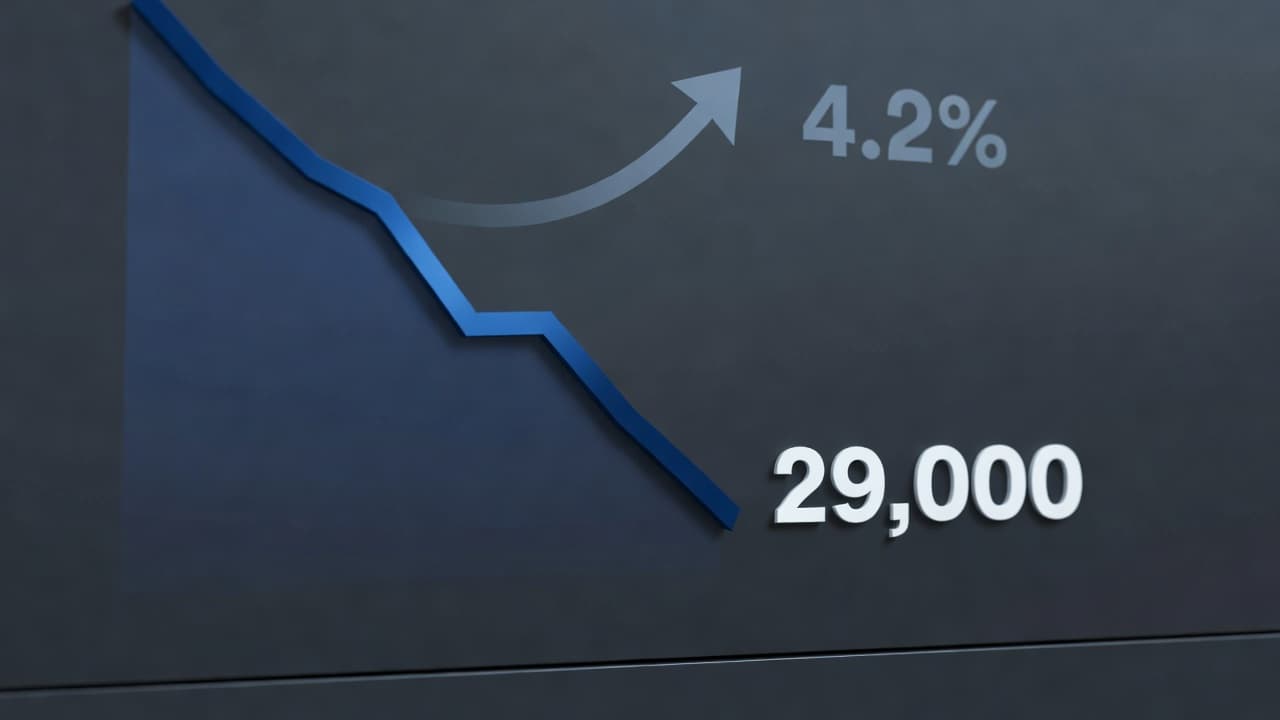
A Stalling Engine: US Job Growth Hits a Speed Bump
The latest employment report from the United States has sent ripples of concern through global financial markets, revealing a significant slowdown in job creation coupled with an uptick in the national unemployment rate. Far below economists' projections and recent trends, the U.S. economy added a mere 29,000 jobs last month, signaling a potential shift in the robust labor market recovery witnessed recently.
This figure marks a sharp deceleration from previous months' gains and stands in stark contrast to the average pace of job additions needed to absorb new entrants into the workforce and maintain healthy economic momentum. Simultaneously, the unemployment rate edged upwards to 4.2%, moving away from its recent multi-decade lows and underscoring a potential cooling of the job market.
Behind the Numbers: A Closer Look at Labor Market Dynamics
The disappointing job growth figure is not just a statistical anomaly; it suggests a deeper underlying shift within the U.S. economy. While specific sector data isn't provided in the initial report, such a broad slowdown often indicates a confluence of factors at play. Businesses might be grappling with persistent supply chain disruptions, rising inflation costs impacting profitability, or a general sense of economic uncertainty tempering their hiring enthusiasm.
- Slower Hiring Pace: Many companies may be pausing or scaling back hiring plans amidst economic headwinds and cautious forecasts.
- Increased Labor Force Participation: A slight rise in the unemployment rate could also reflect more people re-entering the job search, potentially encouraged by previous strong reports, but not finding immediate employment opportunities.
- Economic Headwinds: Broader macroeconomic pressures, including geopolitical instability and fluctuating energy prices, might be influencing business investment and expansion decisions.
Navigating the Economic Currents: Implications for the Federal Reserve
This latest jobs report presents a complex challenge for policymakers, particularly the Federal Reserve. For months, the Fed has been balancing the fight against persistent inflation with concerns about sustaining economic growth. A strong labor market had previously provided ample room for aggressive interest rate hikes aimed at cooling the economy and curbing price increases.
However, a significant slowdown in job creation could complicate future decisions. Economists will be closely watching whether this is an isolated blip or the start of a more sustained cooling. A weaker labor market could pressure the Fed to reconsider the pace or magnitude of future rate increases, potentially prioritizing employment stability over an aggressive inflation fight. Conversely, if inflation remains stubbornly high despite slower job growth, the central bank faces an unenviable dilemma.
Looking Ahead: A Cautious Outlook for the Global Economy
The U.S. economy's performance has significant ramifications beyond its borders, influencing global markets, trade, and investment confidence. A weakening American job market could signal a broader deceleration in global economic activity, impacting export-dependent nations and international supply chains already under strain.
Investors and businesses worldwide will be scrutinizing upcoming economic indicators for clarity. Key questions remain:
- Is this a temporary setback or a sign of an impending economic downturn, potentially leading to recessionary pressures?
- How will consumer spending, a crucial driver of the U.S. economy, react to these labor market shifts and any resulting impact on confidence?
- What will be the immediate and long-term impact on wage growth, purchasing power, and overall household financial stability?
While one month's data doesn't define a trend, the latest U.S. jobs report serves as a potent reminder of the fragility of economic recovery and the constant need for vigilance in a dynamic global landscape. Stakeholders from Washington to Wall Street will be holding their breath for the next round of figures, hoping for a clearer and more optimistic picture.
How this article was made
- Sources
- NPR
- Rewriting model:
- gemini-2.5-flash
- Image generated with:
- xAI Grok
- Generated on:
- 2d ago
This content is produced by Acerbo.AI's AI editorial pipeline: source gathering, rewriting and imagery are automated. Editorial oversight stays human.
Related Articles

U.S. Economy Shows Modest Job Growth in April 2026: What It Means for Global Markets
The U.S. labor market expanded at a modest pace in April 2026, with the latest Labor Department report indicating steady but not booming job creation. Analysts weigh in on implications for the economy and interest rates.

US Labor Market Cools: Non-Farm Payrolls Decline by 92,000 Signaling Economic Shift
A recent US jobs report reveals a significant decline of 92,000 non-farm payrolls, signaling a notable cooling in the American labor market and prompting questions about the economic outlook.

US Job Market Defies Expectations with Robust August Growth
The U.S. labor market delivered a powerful performance in August, adding 162,000 jobs and significantly surpassing forecasts, while the unemployment rate held firm at 4.1%.