
Ancient Clues: 1.7-Billion-Year-Old Fossils Rewrite the Story of Complex Life's Dawn
A groundbreaking discovery of 1.7-billion-year-old fossils provides vital clues, pushing back the timeline for the emergence of complex life and reshaping our understanding of early evolution.
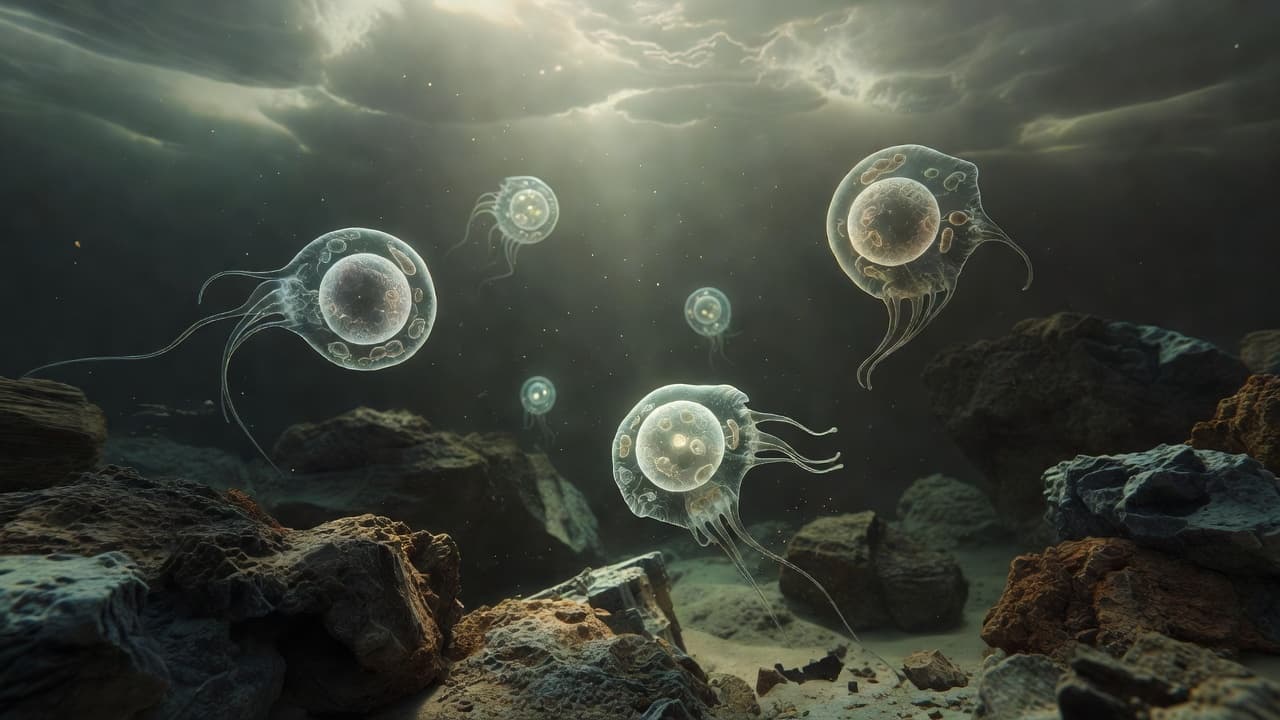
Unearthing Life's Deep Roots: 1.7-Billion-Year-Old Fossils Rewrite the Story of Complex Evolution
Imagine a world vastly different from our own, nearly two billion years ago. A planet teeming with microscopic life, yet seemingly devoid of the intricate cellular structures we associate with "complex" organisms. For decades, scientists have pieced together the puzzle of life's emergence, often placing the rise of complex life forms, known as eukaryotes, much later in Earth's history. However, a groundbreaking discovery of 1.7-billion-year-old fossils is now challenging these long-held assumptions, providing a crucial clue that could fundamentally rewrite the timeline of evolution.
A Glimpse into the Deep Past
The newly identified microfossils represent an astonishing window into the primordial past. Found in ancient rock formations, these minuscule remnants bear the unmistakable hallmarks of early eukaryotes – cells characterized by a membrane-bound nucleus and other specialized organelles. This makes them significantly older than many previously accepted dates for the widespread appearance of such complex cellular architecture, pushing the evolutionary clock back by hundreds of millions of years.
The significance of this age cannot be overstated. For context, 1.7 billion years ago, Earth was still a very different place. The atmosphere was gradually accumulating oxygen, a critical step for the evolution of larger, more energy-intensive life forms, but the planet was far from hosting anything resembling multicellular animals or plants. This discovery suggests that the foundational building blocks for such life were already being laid much earlier than anticipated.
Redefining "Complex Life" and Its Origins
What exactly defines "complex life" in this context? Scientists typically distinguish between two primary cell types: prokaryotes (like bacteria and archaea), which lack a nucleus and other membrane-bound organelles, and eukaryotes, which possess them. Eukaryotic cells are the evolutionary ancestors of all plants, animals, fungi, and protists – essentially, all visible life on Earth. The journey from simple prokaryotic cells to complex eukaryotic ones was a monumental leap, involving intricate cellular innovations and symbiotic relationships.
The newly discovered fossils indicate that this crucial transition, or at least the initial stages of eukaryotic evolution, occurred far earlier than the widely accepted timeframe of around 1.2 to 1.5 billion years ago. This suggests that the conditions necessary for cellular complexity – stable environments, available nutrients, and perhaps even oxygen levels – were present and conducive to their development much sooner.
Implications for Evolutionary Theory and Astrobiology
This finding has profound implications across multiple scientific disciplines. For evolutionary biologists, it means re-evaluating the pace and timing of early life's diversification. It prompts new questions about the environmental pressures and genetic mechanisms that drove such an early emergence of complexity. Could the "boring billion" – a period between 1.8 and 0.8 billion years ago thought to be characterized by limited biological innovation – have been more dynamic than previously thought?
Moreover, the discovery holds significant weight for astrobiology. If complex life forms could arise on Earth so early in its history, under conditions that might have been less "ideal" than once assumed, it broadens the possibilities for finding similar life elsewhere in the universe. It suggests that the window for complex cellular evolution might be wider and more robust than previously imagined, fueling optimism in the search for extraterrestrial life.
The Unfolding Saga of Life on Earth
While these 1.7-billion-year-old fossils offer a compelling piece of the puzzle, they also open new avenues for research. Scientists will now delve deeper into understanding the specific characteristics of these ancient organisms, their metabolic pathways, and their ecological roles in the early oceans. The quest to uncover more such ancient evidence continues, promising to further refine our understanding of the epic saga of life on Earth.
This remarkable discovery not only pushes back the clock on complex life but also serves as a potent reminder of the vast, unexplored chapters in our planet's evolutionary story. Each fossil, no matter how small, has the power to reshape our entire perception of life's journey, from its humble beginnings to the incredible biodiversity we witness today.
How this article was made
- Sources
- ScienceDaily
- Rewriting model:
- gemini-2.5-flash
- Image generated with:
- xAI Grok
- Generated on:
- Sep 27, 2026
This content is produced by Acerbo.AI's AI editorial pipeline: source gathering, rewriting and imagery are automated. Editorial oversight stays human.
Related Articles

Unveiling Ancient Secrets: How Giant Viruses Are Reshaping Our View of Life's Origins
A groundbreaking discovery concerning giant viruses is challenging long-held theories about the very beginning of complex life on Earth, potentially rewriting the evolutionary tree and forcing scientists to rethink what defines 'life' itself.
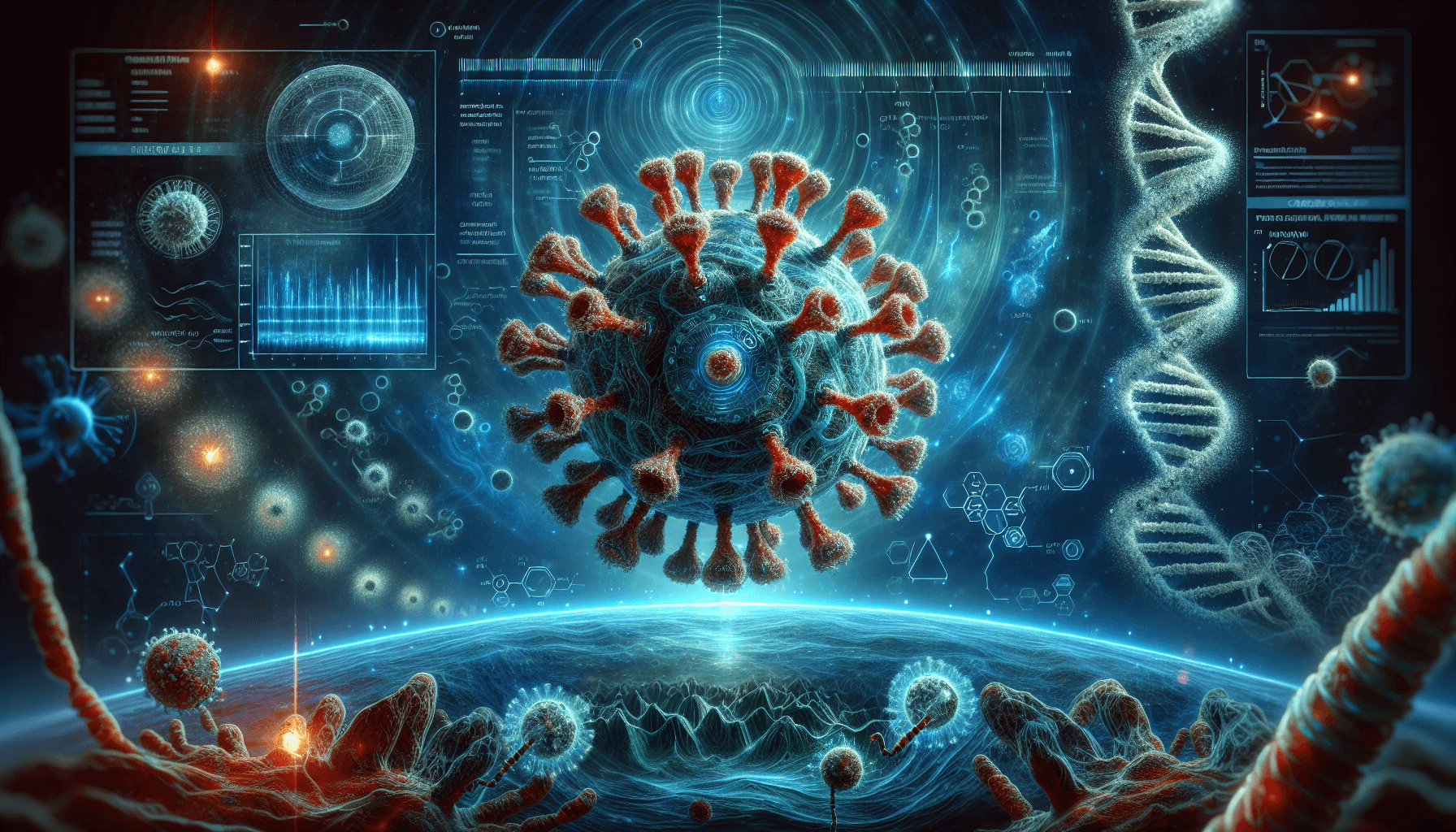
Giant Viruses Unveiled: Rewriting the Evolutionary Story of Complex Life
A groundbreaking discovery of a giant virus challenges fundamental theories on the origin of complex life, potentially redefining the 'tree of life' and our understanding of evolution.
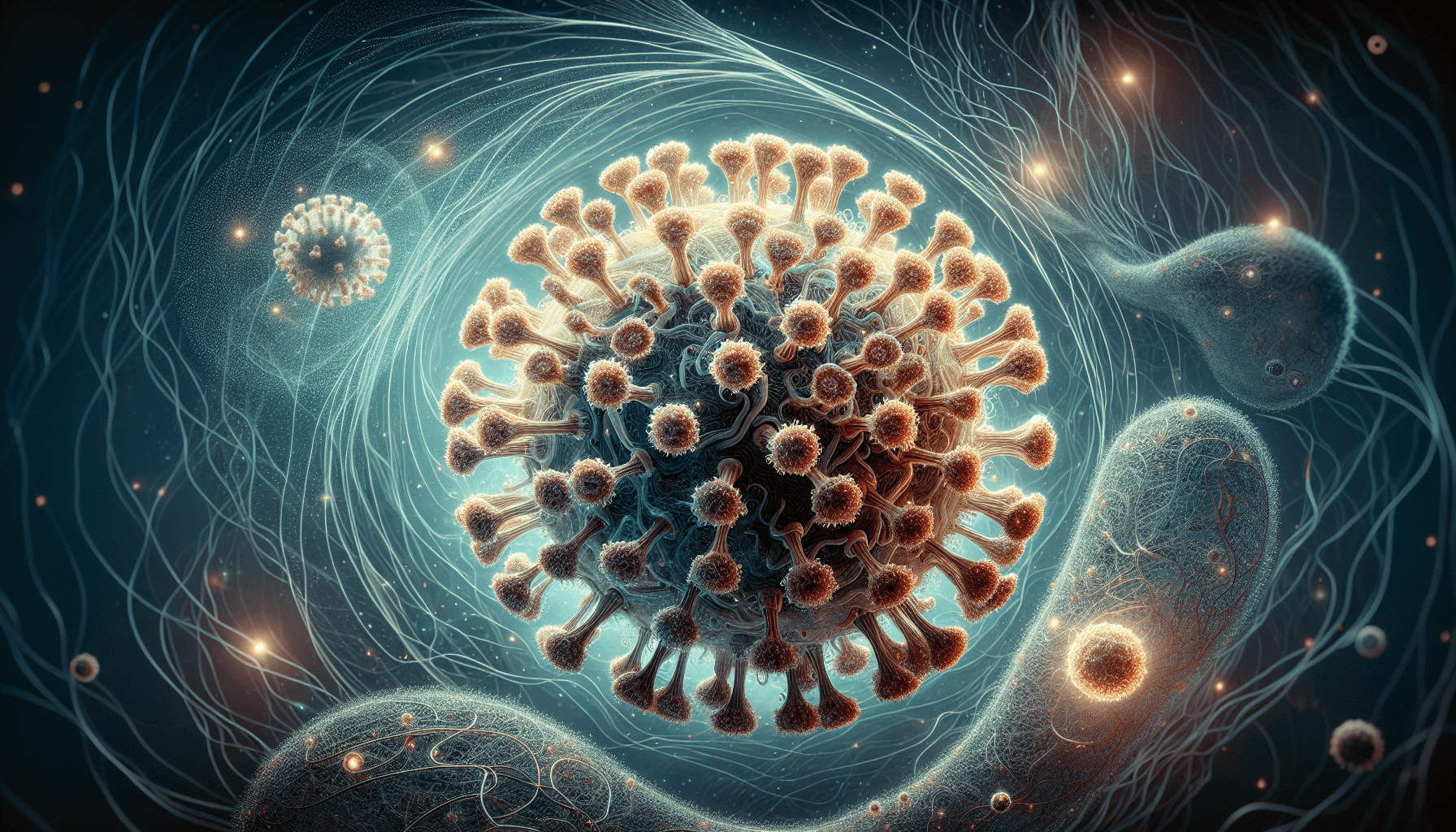
Giant Virus Discovery Shatters Theories on Life's Complex Origins
A newly discovered giant virus is challenging fundamental theories about the origin and evolution of complex life, potentially rewriting the biological tree of life and redefining what it means to be a virus.