
Beyond the Brink: Scientists Discover Surprising New Mechanism in Cell Death
Groundbreaking research has unveiled an unexpected twist in the intricate process of cell death, challenging long-held biological assumptions and opening new avenues for understanding disease.
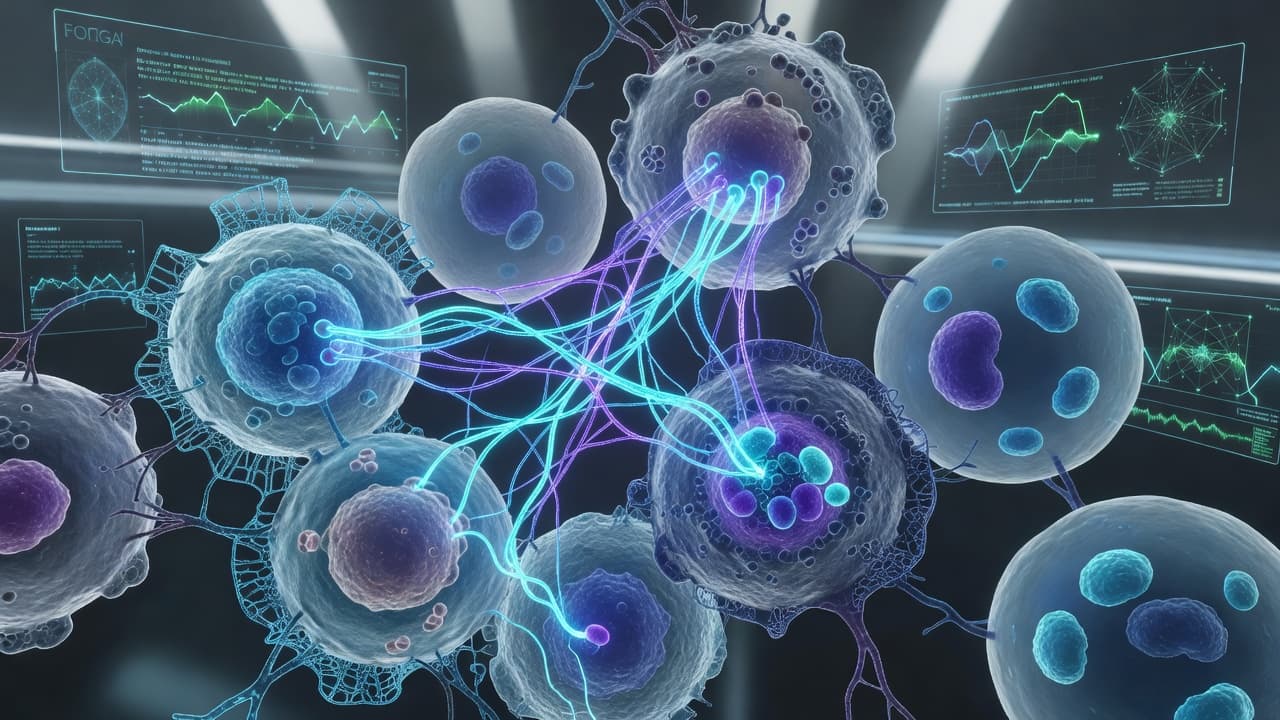
The Enigma of Cellular Demise: A New Chapter Unfolds
In the intricate symphony of life, cell death plays a paradoxical yet indispensable role. For decades, scientists have largely understood this fundamental biological process through well-defined pathways like apoptosis (programmed cell death) and necrosis (uncontrolled cell death). These mechanisms are crucial for development, tissue maintenance, and disease prevention. However, a groundbreaking new discovery is poised to rewrite significant chapters in our understanding, revealing a surprising "twist" that challenges long-held assumptions about how and why cells meet their end.
Recent research, spearheaded by an international consortium of biologists and geneticists, has unveiled an unexpected regulatory pathway that can dramatically influence a cell's fate, even after it has initiated its journey towards self-destruction. This finding introduces an unprecedented layer of complexity, suggesting that cellular demise is far less deterministic and far more adaptable than previously imagined.
Unveiling a Hidden Pathway: The "Cellular Crossroads"
The core of this astonishing discovery lies in the identification of a novel molecular signaling cascade, dubbed the "Cellular Crossroads" pathway. Researchers, utilizing advanced gene-editing techniques and live-cell imaging, observed that certain cells, previously thought to be irrevocably committed to apoptosis, could be "reprogrammed" or diverted from their death trajectory under specific environmental cues. This diversion isn't a mere delay; it represents an active reversal or alteration of the death program itself.
Key findings include:
- Discovery of a previously unknown set of regulatory proteins that act as decision-makers within the dying cell.
- Observation that specific external stimuli (e.g., certain growth factors or stress signals) can activate these proteins.
- Evidence of a "point of no return" being far more flexible than previously assumed, allowing for intervention.
This intricate dance of molecular signals suggests cells possess an inherent, last-ditch effort to modulate their own demise, potentially serving as an evolutionary fail-safe mechanism.
A Paradigm Shift for Biological Understanding
The implications of the "Cellular Crossroads" pathway are profound. For years, apoptosis has been viewed as a largely irreversible, highly orchestrated process. This new research introduces the concept that even cells undergoing programmed death might have a final, critical window of opportunity to alter their destiny. This paradigm shift could redefine our understanding of:
- Tissue Homeostasis: How organs maintain balance between cell proliferation and death.
- Developmental Biology: The precise mechanisms guiding embryonic development and organ formation.
- Cellular Resilience: How cells cope with extreme stress and injury.
The discovery challenges the linear view of cell death, presenting it instead as a dynamic, potentially reversible process influenced by a complex interplay of internal and external factors.
Opening New Doors for Disease Treatment
Beyond fundamental biology, this breakthrough holds immense promise for medical science. Understanding how to manipulate the "Cellular Crossroads" pathway could unlock novel therapeutic strategies for a range of devastating diseases:
- Cancer: By reactivating or accelerating this pathway, researchers might develop new ways to induce cell death in cancerous cells that resist conventional treatments.
- Neurodegenerative Diseases: Conversely, by halting or reversing unwanted cell death, it might be possible to protect neurons in conditions like Alzheimer's or Parkinson's, preserving brain function.
- Autoimmune Disorders: Modulating cell death could help control rogue immune cells that attack healthy tissues.
- Organ Transplantation: Preventing cell death in donor organs could significantly improve transplant success rates.
The ability to fine-tune cellular demise offers a powerful new tool in the fight against diseases characterized by either excessive or insufficient cell death.
The Road Ahead: Future Perspectives
While the initial discovery is electrifying, researchers emphasize that this is just the beginning. The next steps involve meticulously mapping the entire "Cellular Crossroads" pathway, identifying all its components, and understanding how it interacts with known cell death mechanisms. Further studies will focus on developing targeted interventions that can precisely control this pathway in various disease models.
This surprising new twist in the tale of cellular demise underscores the enduring mysteries within biology. It reminds us that even the most fundamental processes hold secrets waiting to be uncovered, continually reshaping our perception of life itself and paving the way for revolutionary advancements in medicine and biotechnology.
How this article was made
- Sources
- ScienceDaily
- Generated on:
- Jun 26, 2026
This content is produced by Acerbo.AI's AI editorial pipeline: source gathering, rewriting and imagery are automated. Editorial oversight stays human.
Related Articles
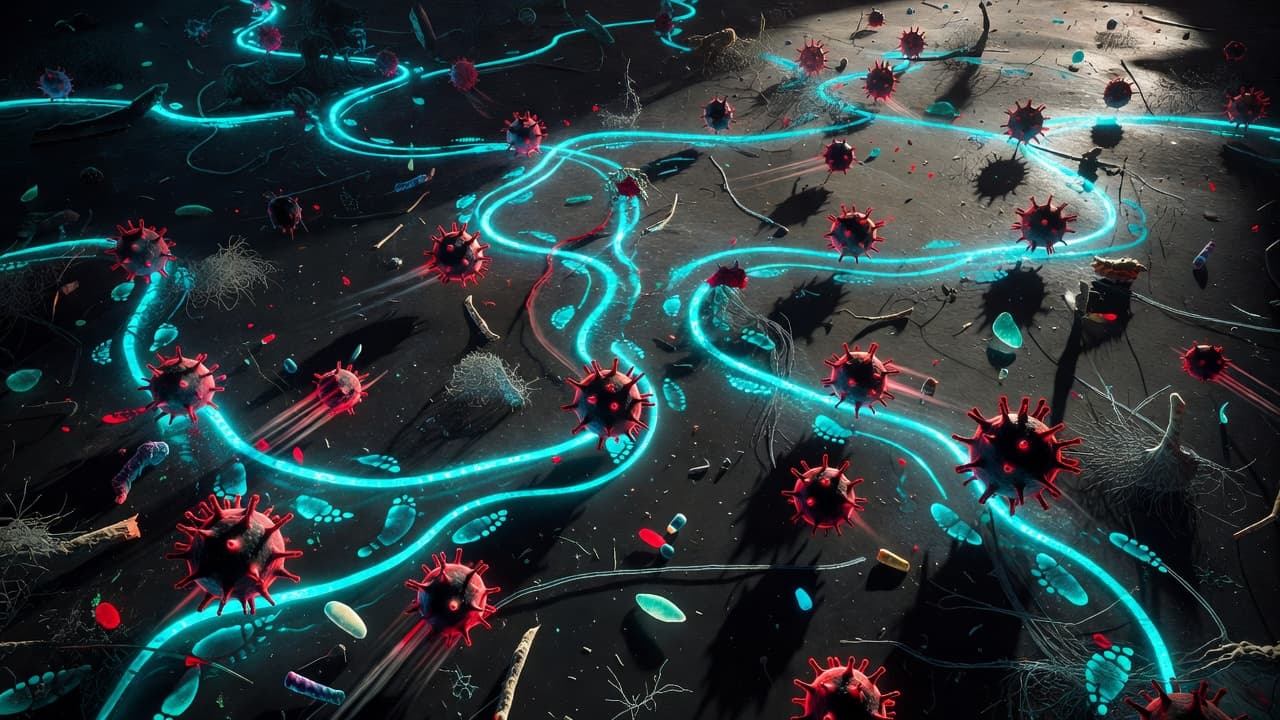
Scientists Uncover 'Death Footprints' – A Hidden Pathway Boosting Viral Spread
Groundbreaking research reveals that dying cells leave behind 'footprints' that viruses exploit, potentially revolutionizing our approach to combating infectious diseases.
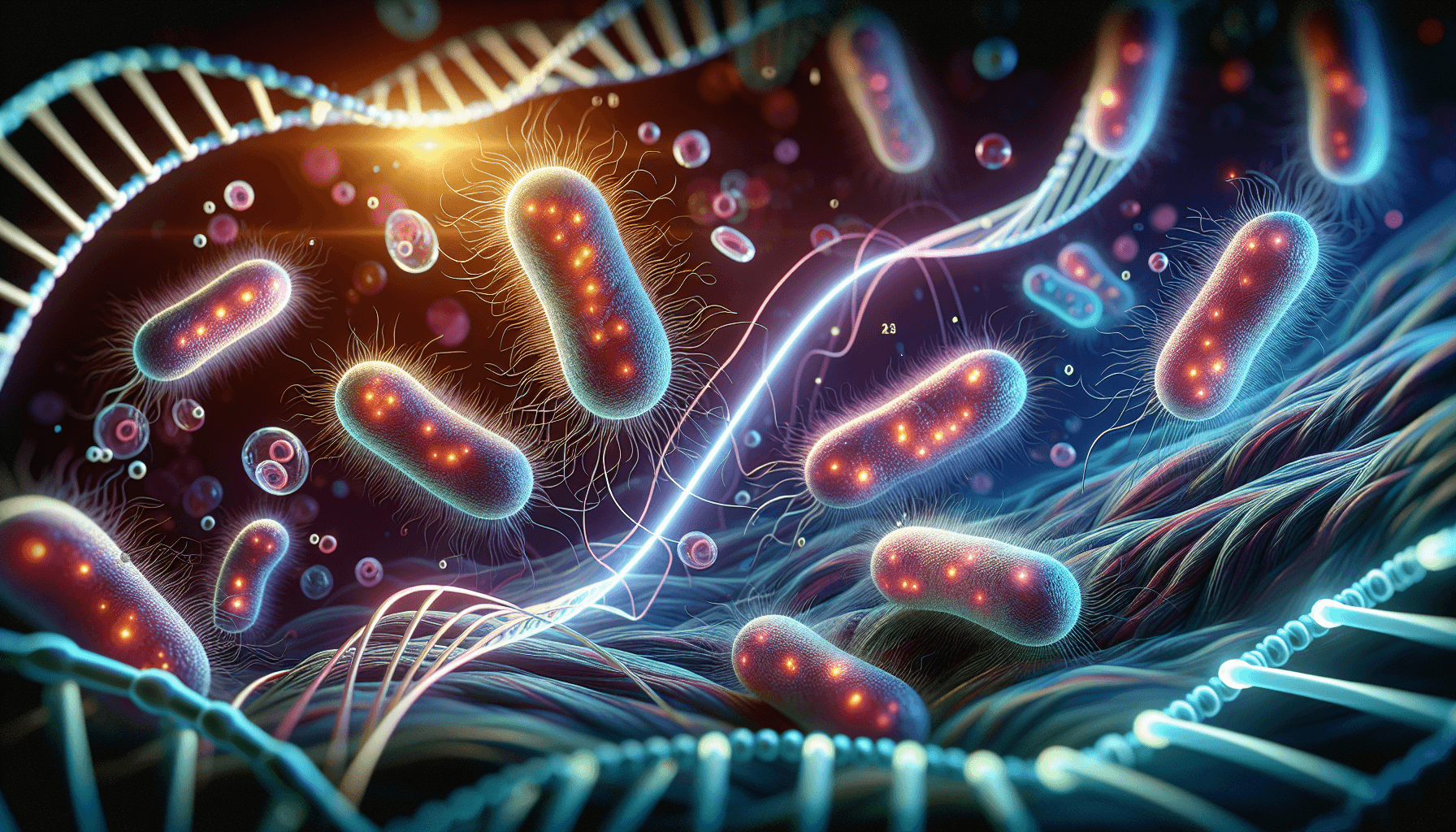
Unlocking Life's Blueprints: How Bacteria Mastermind Their Own Cellular Architecture
A groundbreaking discovery reveals bacteria possess an unprecedented ability to 'rewire' their genetic machinery, actively dictating their own cell shape. This finding challenges fundamental biological understanding and opens doors for revolutionary applications in medicine and biotechnology.
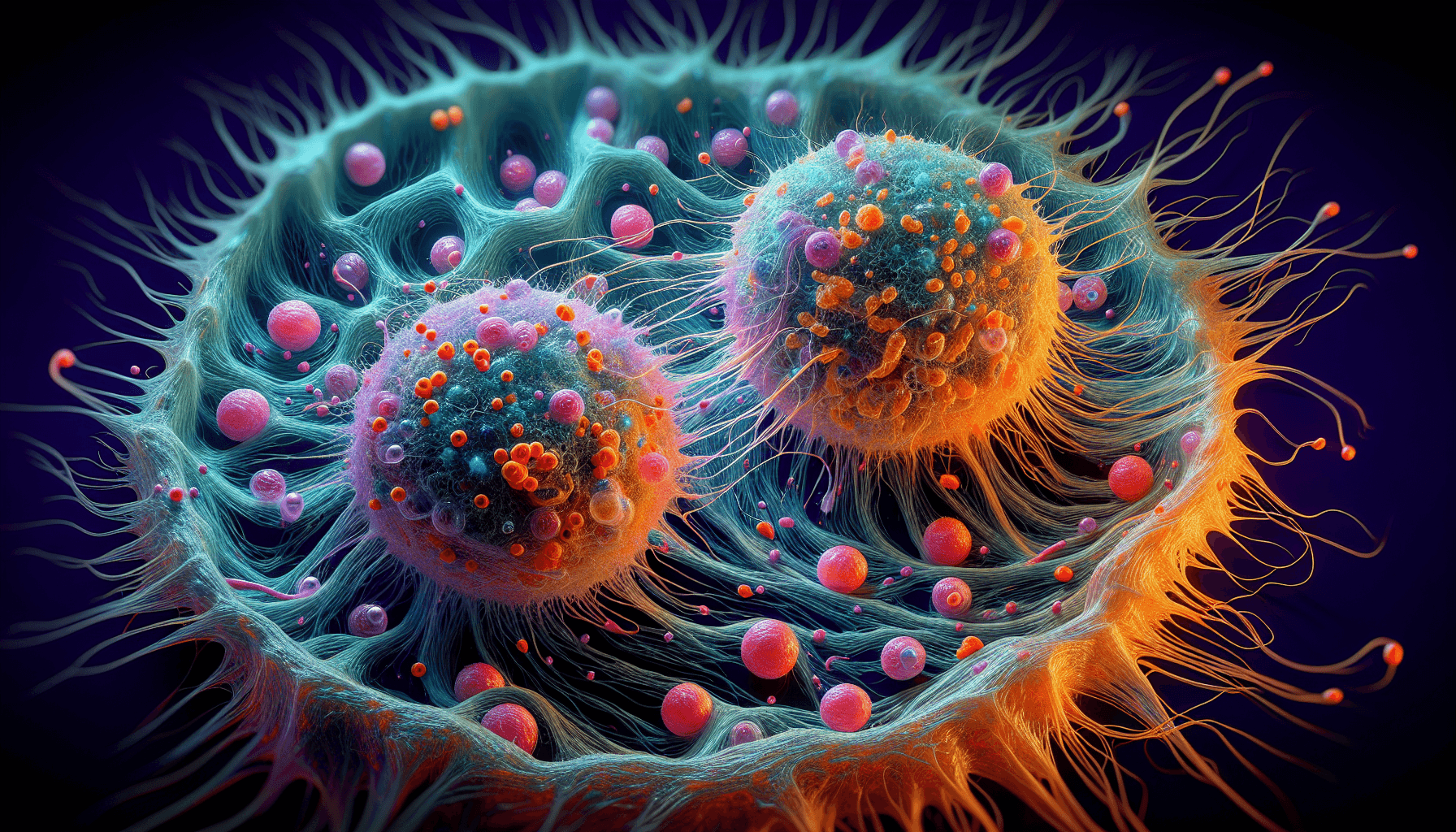
Unveiling the Cell's Inner Currents: Scientists Link Hidden 'Winds' to Cancer Metastasis
A groundbreaking study reveals previously unseen 'intracellular winds' within human cells, actively guiding components and potentially explaining how cancer spreads.