
Helion's Bold Bet: The 'Tiny Merge' Testbed and Microsoft's Aggressive Fusion Timeline
Helion is fast-tracking its 'Tiny Merge' fusion energy testbed to meet an ambitious timeline set by Microsoft, aiming to unlock clean, limitless power.
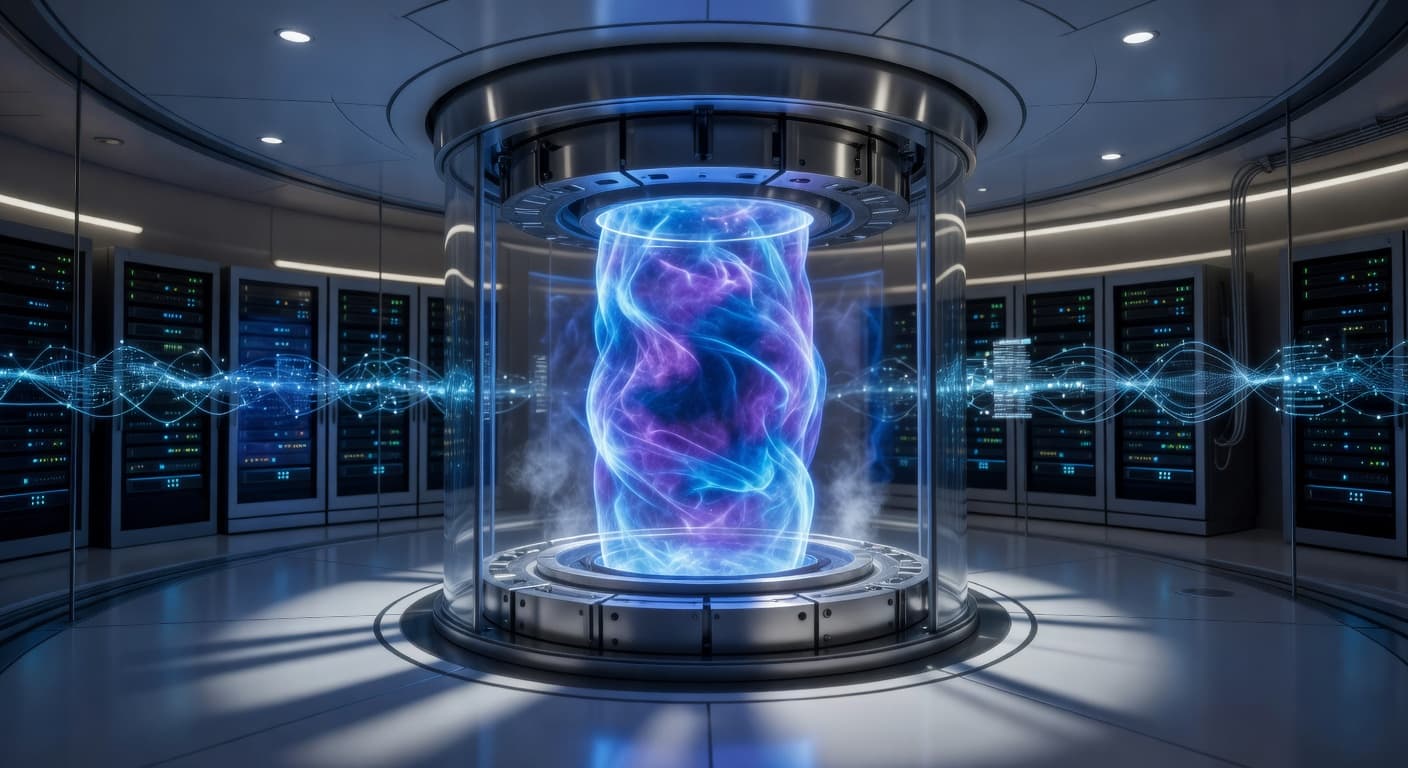
In a bold move that could redefine the global energy landscape, Helion, a pioneer in the field of fusion energy, is making a significant wager on its innovative "Tiny Merge" fusion testbed. This ambitious project is central to meeting an exceptionally aggressive timeline set in collaboration with tech giant Microsoft. The stakes are incredibly high, positioning Helion at the forefront of the race to unlock virtually limitless, clean power.
The Quest for Clean Energy: Helion's 'Tiny Merge'
The pursuit of nuclear fusion, the process that powers the sun, has long been considered the holy grail of energy production. Unlike nuclear fission, fusion promises abundant energy with minimal radioactive waste and no greenhouse gas emissions. Helion's approach stands out with its pulsed, high-beta Field-Reversed Configuration (FRC) technology, which aims for a more compact and cost-effective pathway to fusion.
The "Tiny Merge" testbed is a critical stepping stone in Helion's developmental roadmap. It represents a scaled-down yet powerful iteration designed to validate key physics and engineering principles necessary for a commercial fusion reactor. Its successful operation and data collection are paramount to progressing towards net energy gain, a monumental milestone in fusion research.
Microsoft's Vision: Powering the Future with Fusion
The partnership between Helion and Microsoft underscores a growing imperative among major technology companies to secure sustainable and reliable energy sources. Microsoft's commitment to an aggressive timeline signals its serious intent to integrate fusion energy into its operations, potentially powering its vast global data centers and contributing to its ambitious carbon-negative goals.
This collaboration is more than just a financial investment; it's a strategic alliance that brings significant resources, expertise, and a powerful sense of urgency to the complex challenge of fusion energy. The demand for clean, scalable power solutions is escalating, and Microsoft sees fusion as a long-term answer that could revolutionize energy grids worldwide.
Navigating the Fusion Frontier: Challenges and Innovation
Developing a viable fusion reactor is one of humanity's most complex scientific and engineering challenges. It requires controlling plasma at extreme temperatures—millions of degrees Celsius—and achieving a sustained reaction that produces more energy than it consumes. Helion's unique FRC technology aims to simplify this by directly converting fusion energy into electricity, bypassing traditional steam turbines.
Key areas of focus for the "Tiny Merge" testbed include:
- Plasma Confinement: Demonstrating stable and efficient containment of the superheated plasma.
- Energy Extraction: Validating the direct energy conversion process.
- System Integration: Proving the reliability and scalability of the overall design.
Every successful experiment and data point from "Tiny Merge" brings Helion closer to realizing its vision of commercial fusion power, proving that their innovative approach can overcome historical hurdles.
The Global Impact of a Fusion Breakthrough
Should Helion achieve its aggressive targets with the "Tiny Merge" and subsequently develop a commercial reactor, the implications would be profound. It could provide a virtually limitless supply of clean electricity, drastically reducing reliance on fossil fuels and mitigating climate change. Furthermore, it could stabilize energy markets, enhance national energy security, and unlock new technological advancements globally.
The high-stakes bet on "Tiny Merge" is not just about Helion or Microsoft; it's about pioneering a future where energy is abundant, affordable, and environmentally responsible. The world watches keenly as this ambitious project pushes the boundaries of what's possible in the quest for sustainable energy.
How this article was made
- Sources
- GeekWire
- Generated on:
- May 17, 2026
This content is produced by Acerbo.AI's AI editorial pipeline: source gathering, rewriting and imagery are automated. Editorial oversight stays human.
Related Articles
Helion Rockets to $15.5 Billion Valuation with New $465M Funding, Eyes Commercial Fusion This Decade
Fusion energy pioneer Helion has achieved a staggering $15.5 billion valuation, fueled by a fresh $465 million investment as it races to commercialize fusion power by 2030.
Game-Changing Breakthrough: New Method Promises Affordable Green Hydrogen for a Cleaner Future
A revolutionary new hydrogen production method could drastically cut costs and simplify generation, paving the way for widespread adoption of clean fuel and accelerating the global energy transition.
Hydrogen's Holy Grail? New Method Slashes Clean Fuel Costs & Boosts Production
A groundbreaking scientific discovery promises to revolutionize hydrogen production, making the clean fuel significantly cheaper and easier to generate, paving the way for a sustainable energy future.