
Humanoid Robots Are Marching Onto Factory Floors, Reshaping Manufacturing
Physical AI is bringing humanoid robots closer to industrial deployment, with companies actively testing these versatile machines on factory floors to revolutionize manufacturing and logistics.
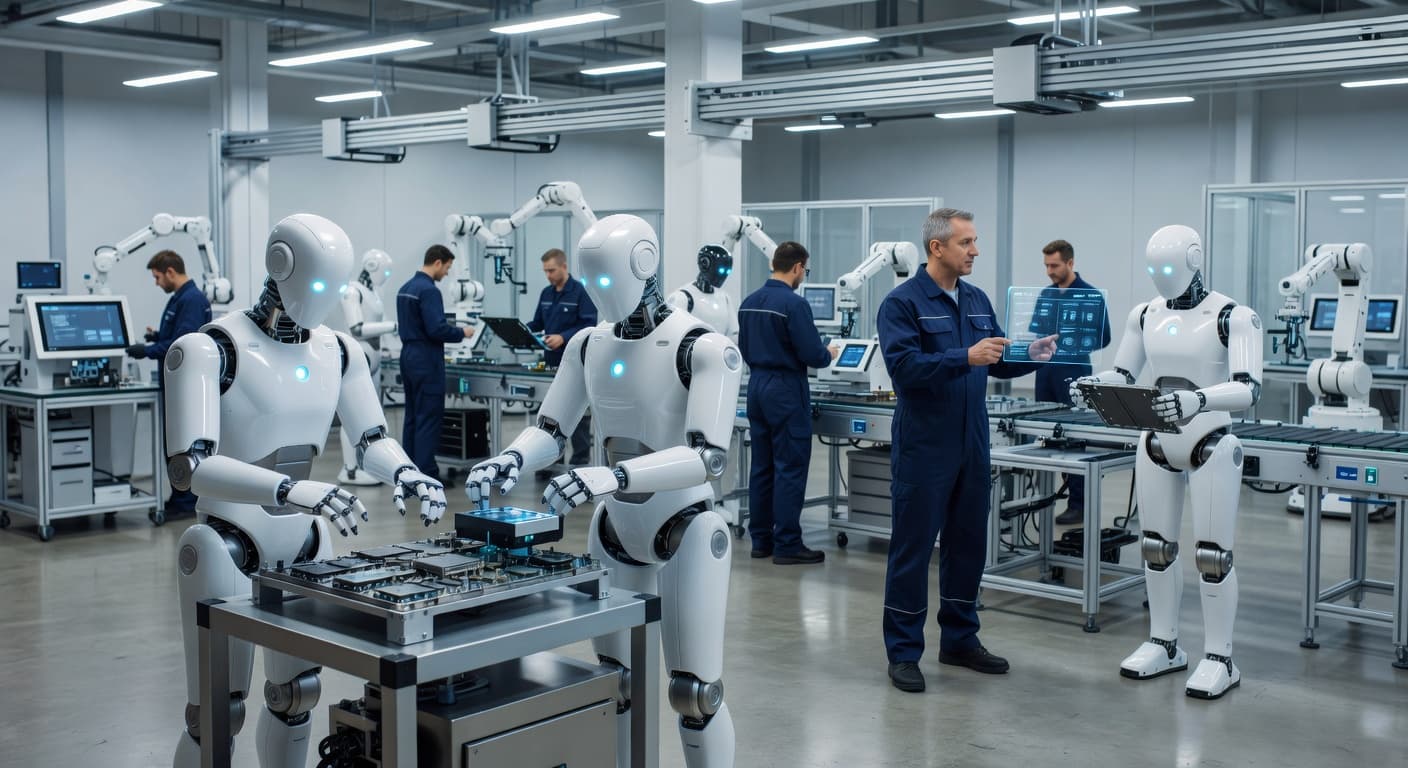
The Dawn of Dexterous Automation: Humanoid Robots Enter the Factory Floor
Imagine a factory where robots don't just perform repetitive tasks on fixed lines, but move fluidly, pick up intricate components, and even navigate complex environments designed for humans. This once-futuristic vision is rapidly becoming a reality as physical AI, embodied in advanced humanoid robots, moves from research labs directly into industrial testing grounds. Companies globally are now actively deploying and evaluating these sophisticated machines, signaling a significant shift in the landscape of manufacturing and logistics.
Beyond Traditional Automation: The Versatility of Humanoid Forms
For decades, industrial automation has relied on specialized machinery and robotic arms, highly efficient but often rigid in their application. Humanoid robots represent a paradigm shift. Their bipedal locomotion and human-like manipulators allow them to operate in spaces originally configured for human workers, eliminating the need for costly factory reconfigurations. This inherent versatility makes them ideal candidates for a wider array of tasks, from intricate assembly to material handling and quality control, potentially revolutionizing how supply chains function.
Driving Forces: Addressing Labor Gaps and Boosting Productivity
The push towards integrating humanoid robots is multifaceted. Many industries face persistent labor shortages, particularly in roles requiring repetitive manual dexterity or operating in challenging conditions. Humanoids offer a compelling solution, promising to augment human workforces, take on hazardous tasks, and ensure consistent productivity around the clock. Their ability to learn and adapt through advanced AI algorithms means they can be retrained for new tasks with software updates, offering unparalleled operational flexibility.
Real-World Trials: Leading the Charge
Major manufacturers and logistics giants are at the forefront of this technological adoption. Pilot programs are underway in various sectors, testing these robots' capabilities in diverse environments. Early reports highlight their potential for improving efficiency, reducing errors, and enhancing safety in environments that might otherwise pose risks to human workers. These trials are crucial for refining the robots' performance, ensuring robust operation, and integrating them seamlessly into existing workflows.
- Enhanced Adaptability: Humanoid robots can navigate stairs, open doors, and interact with tools designed for human hands.
- Flexible Deployment: Easily integrated into existing factory layouts without extensive infrastructure changes.
- Continuous Learning: AI-driven systems allow robots to improve task execution over time through machine learning.
- Addressing Workforce Gaps: Providing support in sectors facing significant labor shortages.
Navigating the Challenges: From Cost to Collaboration
Despite the immense promise, the widespread adoption of humanoid robots is not without its hurdles. Initial investment costs remain high, and ensuring their reliability, safety, and seamless integration into human-centric operations requires rigorous testing and development. Ethical considerations, particularly regarding job displacement and the future of human-robot collaboration, are also critical discussions that need to be addressed as this technology matures. The goal is often not replacement, but augmentation, creating a more efficient and safer working environment for all.
The Future is Now: A Collaborative Industrial Landscape
The journey of physical AI onto factory floors marks a pivotal moment in industrial history. As companies continue to refine and scale these deployments, we can anticipate a future where human and humanoid workers collaborate in unprecedented ways, driving innovation, boosting productivity, and transforming the very definition of industrial work. The era of the intelligent, dexterous robot is no longer a distant dream but an imminent reality, poised to reshape global manufacturing and supply chains.
How this article was made
- Sources
- AI News
- Generated on:
- May 16, 2026
This content is produced by Acerbo.AI's AI editorial pipeline: source gathering, rewriting and imagery are automated. Editorial oversight stays human.
Related Articles
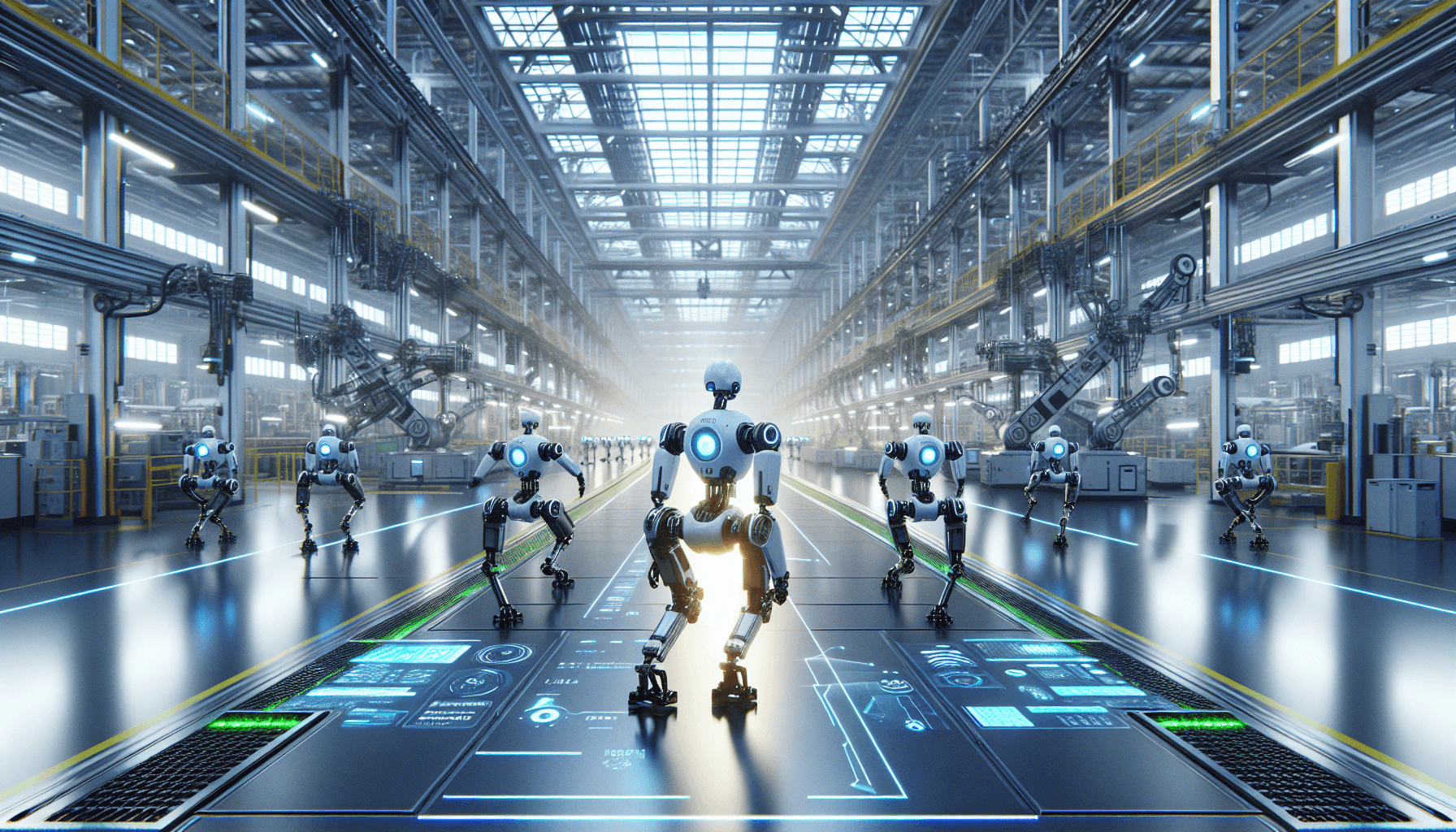
Robots Unleashed: How SAP and ANYbotics are Revolutionizing Industrial AI Adoption
SAP and ANYbotics are forging a powerful alliance to accelerate the deployment of physical AI in industrial environments, promising unprecedented efficiency, safety, and data-driven insights for businesses worldwide.
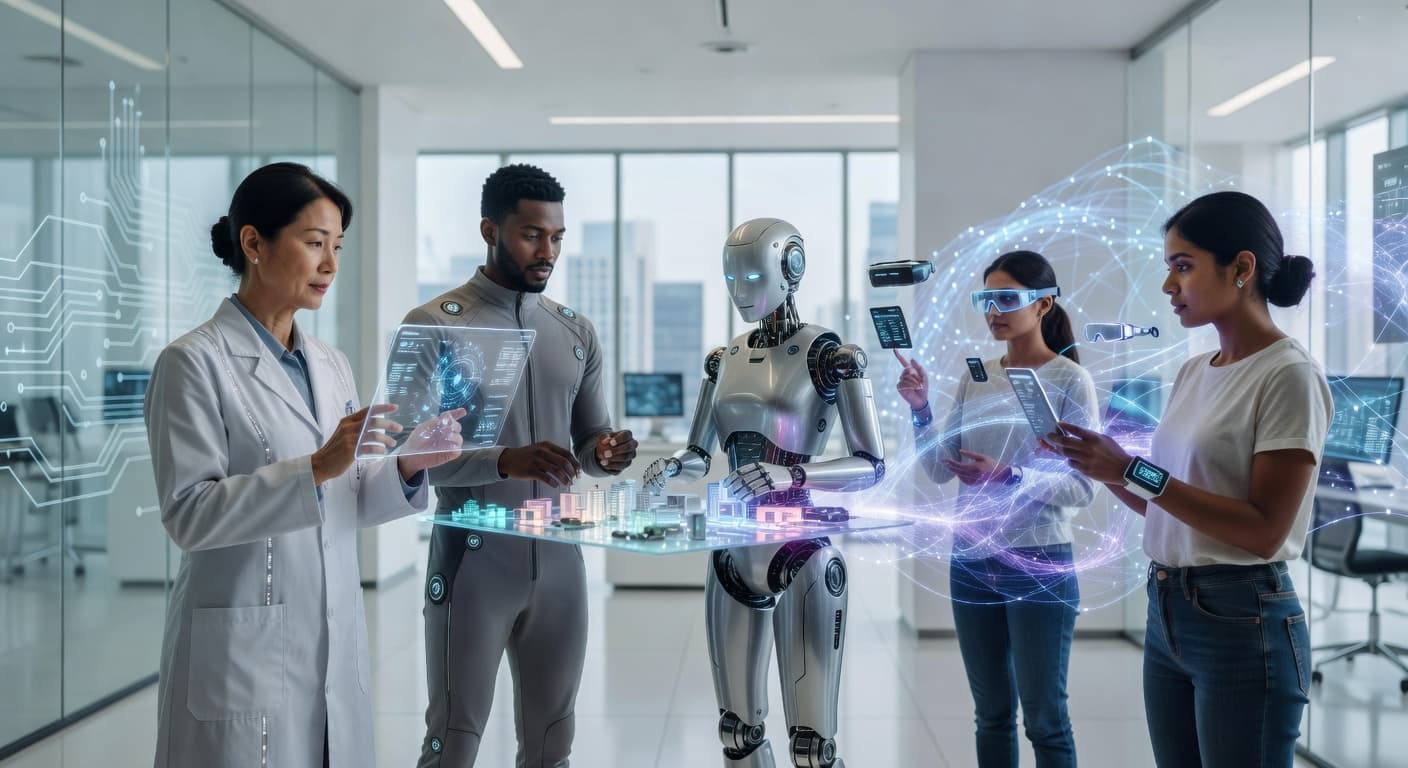
Artificial Intelligence: Reshaping Our World, One Algorithm at a Time
Explore how Artificial Intelligence is transforming industries, daily routines, and the future of human interaction. From smart assistants to medical breakthroughs, AI's impact is undeniable.

AI Horizon: Navigating the Evolving Landscape of Artificial Intelligence in Early 2026
Dive into the latest AI advancements from early 2026, exploring specialized generative models, critical ethical debates, and AI's profound impact across global industries and the workforce.