
Mars' Ancient Secrets Unlocked: Perseverance Rover Finds Unprecedented Organic Evidence
NASA's Perseverance rover has discovered the most extensive and complex organic molecules yet in Mars' Jezero Crater, significantly boosting the search for past life.
A Groundbreaking Discovery on the Red Planet
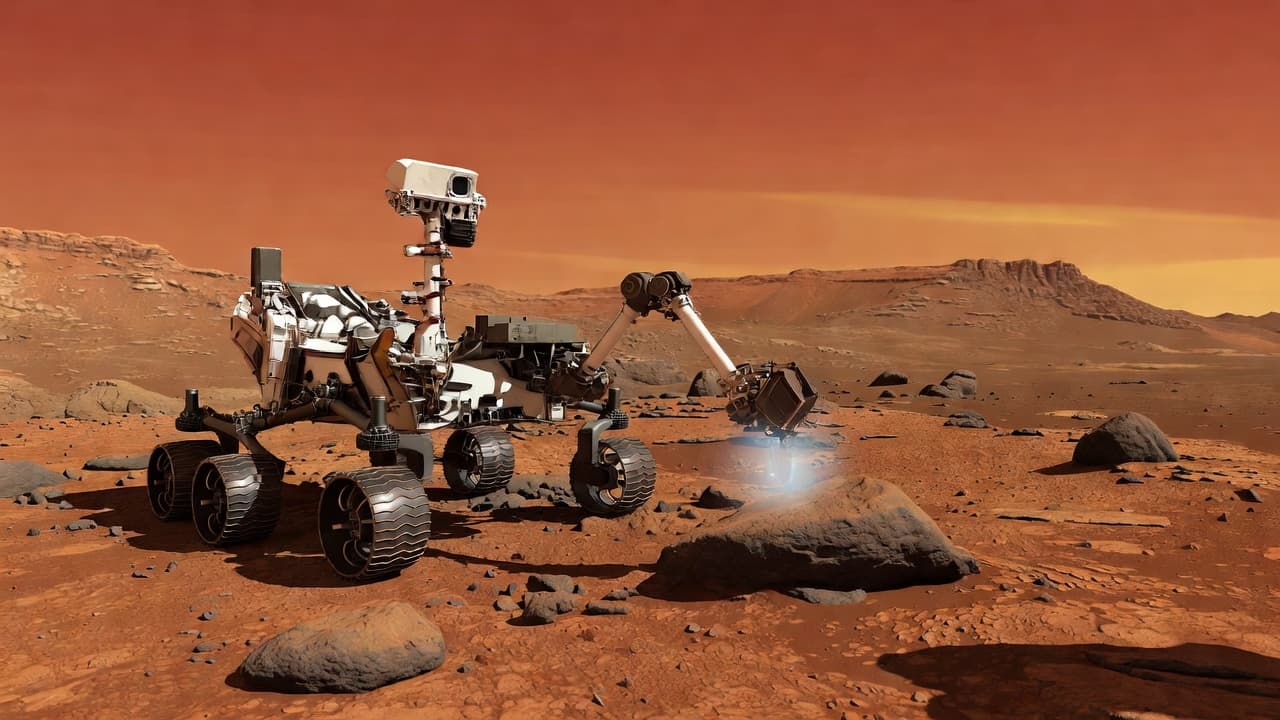
NASA's intrepid Perseverance rover has once again captivated the scientific community, delivering what many are calling the most compelling evidence to date of complex organic molecules on Mars. This monumental finding, detailed in a newly published study, significantly bolsters the long-held hope that the Red Planet once possessed environments capable of supporting life.
The discovery centers on the detection of macromolecular carbon within ancient rocks of the Bright Angel formation, nestled deep within Mars' intriguing Jezero Crater. This isn't just any organic matter; its complexity and sheer abundance far surpass anything previously identified on the Martian surface, marking a true landmark in our quest to understand extraterrestrial biology.
Unveiling Martian Organic Matter
What Did Perseverance Find?
Using its array of sophisticated scientific instruments, Perseverance meticulously analyzed rock samples from the Jezero Crater. The rover's advanced spectrometers were instrumental in identifying the intricate carbon structures, which scientists interpret as strong indicators of either past biological processes or complex prebiotic chemistry. These molecules are the very building blocks of life as we know it, making their presence on Mars incredibly exciting.
The significance of this particular find lies in several key aspects:
- Complexity: The detected organic molecules are far more intricate than simpler carbon compounds found previously.
- Abundance: This evidence is the most extensive and widespread yet, suggesting these conditions were not isolated.
- Location: Jezero Crater is believed to be an ancient lakebed, a prime location for past habitable conditions.
The Bright Angel formation itself is of particular interest. Geologically, it represents a period in Mars' history when water was likely abundant, creating a potentially hospitable environment for microbial life.
Implications for the Search for Life Beyond Earth
Strengthening the Case for Habitability
While the discovery of organic molecules does not definitively prove the existence of past life on Mars, it undeniably strengthens the hypothesis that the planet once harbored conditions suitable for it. Organic compounds are essential for all known life forms, and finding them in such complex forms and quantities in a former lakebed environment paints a vivid picture of a potentially active biochemical past.
Scientists involved in the mission are buzzing with excitement. This data provides crucial context for the precious samples Perseverance is currently collecting, which are destined for eventual return to Earth. Imagine the insights we could gain by analyzing these pristine Martian materials in terrestrial laboratories with even more powerful instruments!
The Role of Advanced Instrumentation
Perseverance's ability to make such a profound discovery is a testament to the cutting-edge technology it carries. Its suite of instruments, including the SHERLOC (Scanning Habitable Environments with Raman & Luminescence for Organics & Chemicals) and PIXL (Planetary Instrument for X-ray Lithochemistry) spectrometers, allows for detailed chemical analysis of rocks and soil on a microscopic level. These instruments can detect the faint spectral signatures of organic compounds, even when embedded within mineral matrices.
The precision and resolution of these tools are paramount in distinguishing between different types of organic matter and understanding their origins, whether geological or biological. This mission truly represents the pinnacle of robotic planetary exploration.
Looking to the Future: Martian Sample Return
This discovery underscores the critical importance of NASA's Mars Sample Return program. The samples currently being cached by Perseverance, including those from the Bright Angel formation, will be brought back to Earth by future missions. Once here, they can be subjected to a level of analysis impossible with even the most advanced rover instruments.
Terrestrial laboratories can perform detailed isotopic analysis, complex molecular fingerprinting, and search for biosignatures that would provide irrefutable evidence of ancient Martian life. The journey to answer humanity's most profound question – 'Are we alone?' – has just taken a monumental leap forward, with Perseverance leading the charge into Mars' enigmatic past.
How this article was made
- Sources
- Sci.News
- Generated on:
- Jul 1, 2026
This content is produced by Acerbo.AI's AI editorial pipeline: source gathering, rewriting and imagery are automated. Editorial oversight stays human.
Related Articles
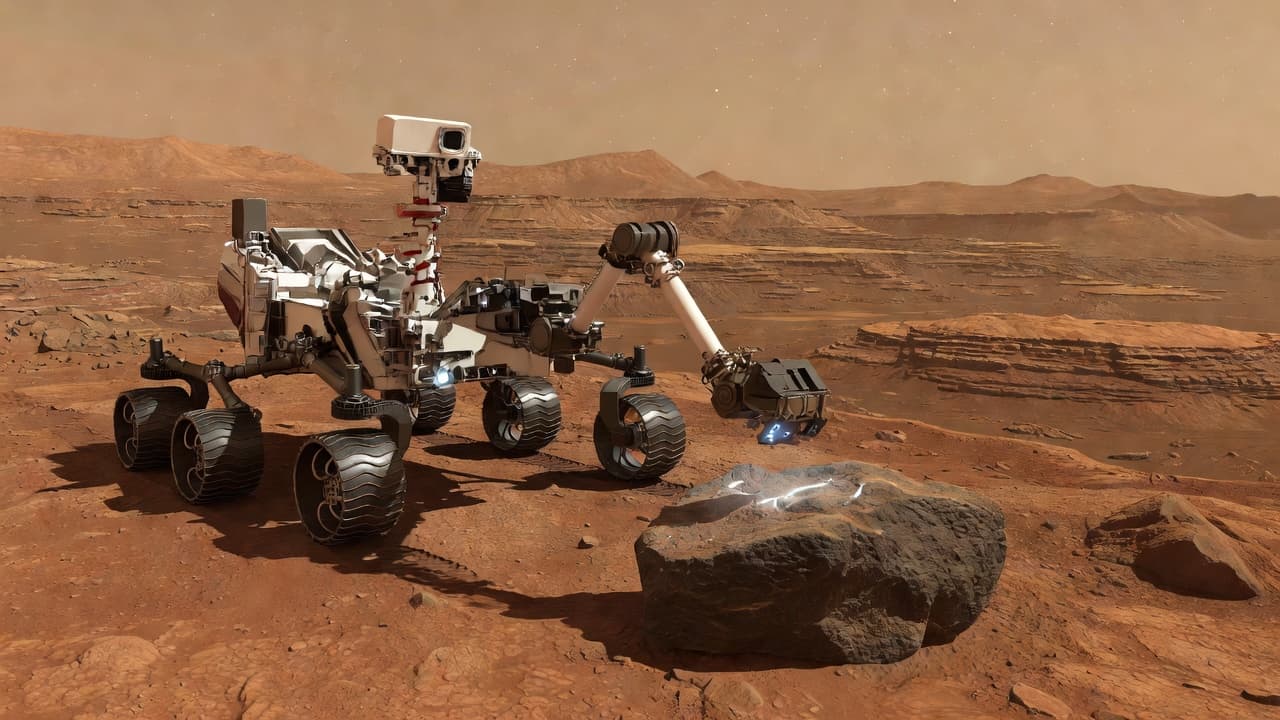
NASA's Perseverance Rover Uncovers Organic Carbon Clues in Martian Rocks
NASA's Perseverance rover is meticulously examining organic carbon in Mars' Jezero Crater, bringing scientists closer to understanding the Red Planet's potential for ancient life and habitability.

Mars' Ancient Secrets Revealed: Curiosity Rover Finds Richest Trove of Organic Molecules
NASA's Curiosity rover has made a groundbreaking discovery on Mars, unearthing the most significant cache of diverse organic molecules yet. This finding from Gale Crater's mudstones offers compelling new insights into the Red Planet's past habitability.
Cosmic Clues: Asteroid Bennu Samples Reveal Life's Fundamental Ingredients
Scientists have discovered essential building blocks of life, including organic molecules and amino acids, within pristine samples returned from asteroid Bennu. This groundbreaking finding from NASA's OSIRIS-REx mission offers new insights into life's cosmic origins and how early Earth may have been seeded with crucial ingredients.