
Miami Drives into Tomorrow: Tesla Launches Groundbreaking Robotaxi Service
Tesla has officially rolled out its highly anticipated robotaxi service in Miami, ushering in a new era for urban transportation and autonomous vehicle technology.
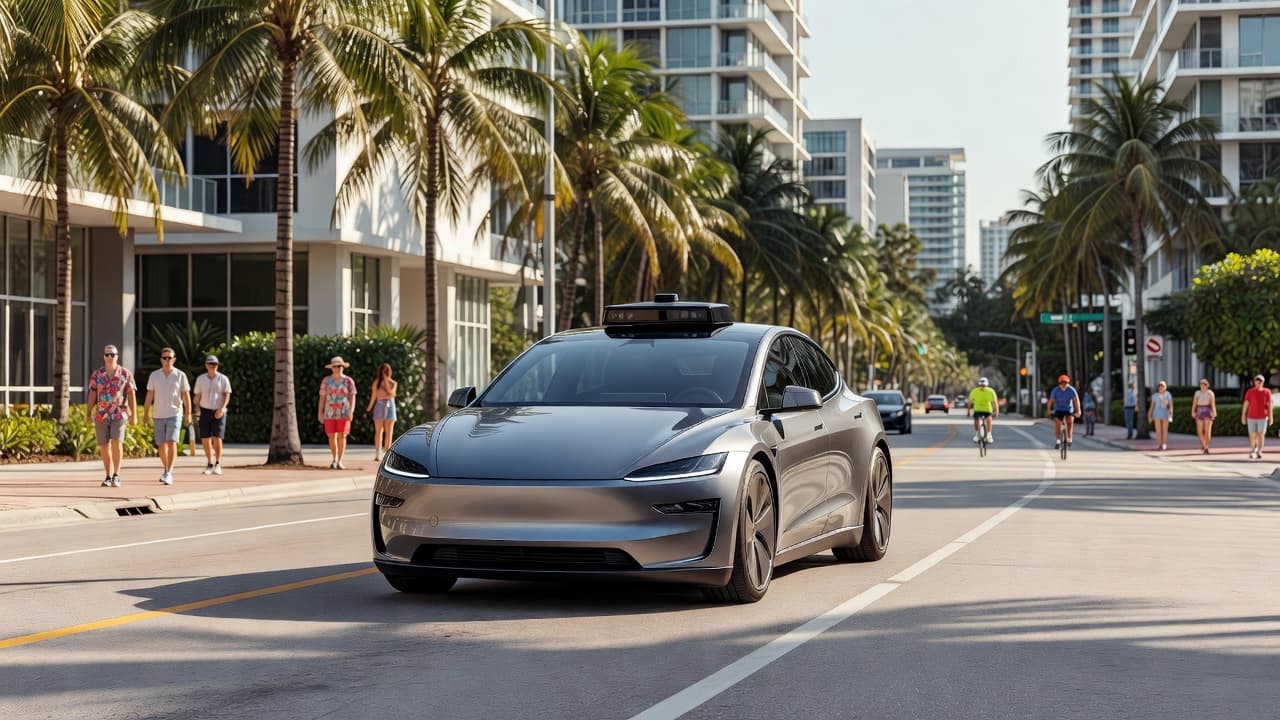
Miami's Streets Transform: Tesla Unleashes Robotaxi Service
The future of urban mobility has officially arrived in Miami, as Tesla launches its groundbreaking robotaxi service in the vibrant Florida city. This pivotal development marks a significant stride in the widespread adoption of autonomous vehicles, transforming how residents and visitors will navigate the bustling metropolitan landscape. With its sleek electric fleet, Tesla aims to offer a seamless, self-driving ride-hailing experience, positioning Miami at the forefront of smart city innovations.
This rollout is more than just a new transportation option; it represents years of intensive research and development in artificial intelligence and vehicle autonomy. It's a bold move that not only promises enhanced convenience but also opens up new discussions around urban planning, traffic congestion, and environmental impact.
The Technology Under the Hood: Tesla's FSD Vision
At the heart of Tesla's robotaxi service lies its sophisticated Full Self-Driving (FSD) technology. This advanced system leverages a network of cameras, ultrasonic sensors, and powerful on-board computers to perceive the environment, predict actions, and navigate complex road conditions without human intervention. The FSD software has undergone rigorous testing and iterative improvements, learning from billions of miles of real-world driving data.
The deployment in Miami is a testament to the progress in AI and machine learning, enabling vehicles to handle everything from intricate city intersections to dynamic pedestrian interactions. This level of autonomy is critical for ensuring the safety and reliability demanded by a public ride-hailing service.
Key Features of Tesla's Robotaxi Service:
- Fully Autonomous Operation: Vehicles navigate routes, pick up, and drop off passengers without a human driver.
- Electric Fleet: Contributing to cleaner air and reduced carbon emissions in urban centers.
- 24/7 Availability: Offering on-demand transportation at any time, enhancing accessibility.
- Advanced Safety Protocols: Utilizing redundant systems and continuous software updates for optimal safety.
Navigating the Road Ahead: Challenges and Opportunities
While the excitement surrounding Tesla's robotaxi launch is palpable, the path to widespread autonomous vehicle adoption is not without its challenges. Regulatory frameworks are still evolving, and public acceptance remains a crucial factor. Ensuring absolute safety and addressing potential ethical dilemmas are paramount for the long-term success of such services.
However, the opportunities presented by robotaxis are immense. They hold the potential to drastically reduce traffic accidents caused by human error, alleviate urban congestion, and provide mobility solutions for individuals unable to drive. Furthermore, the data collected from these services will be invaluable for further refining autonomous technology and improving urban infrastructure.
Potential Impacts of Robotaxi Integration:
- Reduced Traffic Congestion: Optimized routing and fleet management can lead to smoother traffic flow.
- Enhanced Accessibility: Providing convenient transportation for elderly, disabled, or non-driving populations.
- Economic Shifts: Reconfiguring industries from logistics to personal car ownership.
- Urban Planning Evolution: Rethinking parking needs and public space utilization.
A Glimpse into Tomorrow's Commute
Tesla's robotaxi service in Miami is more than just a new app on your phone; it's a tangible step into a future once confined to science fiction. As the electric vehicles silently navigate Miami's streets, they carry the promise of a smarter, safer, and more sustainable urban environment. This pioneering venture will undoubtedly serve as a crucial benchmark for future autonomous deployments globally, setting the stage for a paradigm shift in how we perceive and utilize transportation.
How this article was made
- Sources
- Reuters
- Generated on:
- Jul 4, 2026
This content is produced by Acerbo.AI's AI editorial pipeline: source gathering, rewriting and imagery are automated. Editorial oversight stays human.
Related Articles
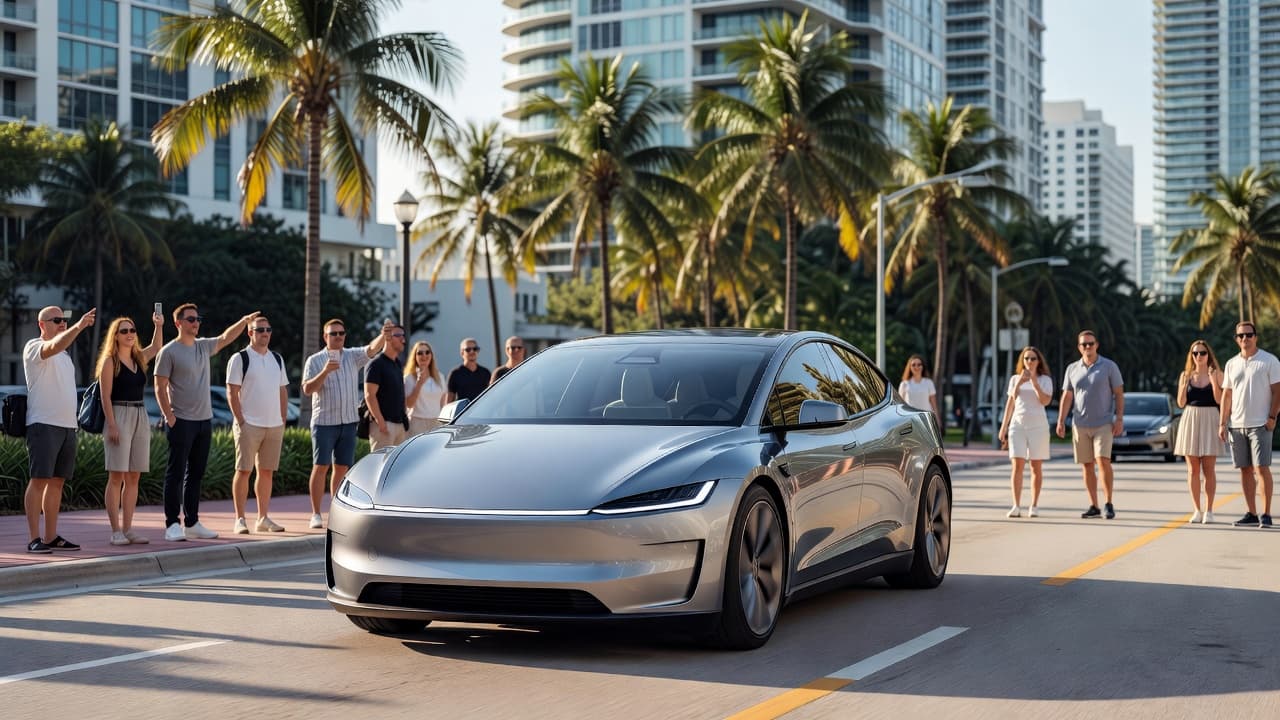
Miami's Streets Transform: Tesla Unleashes Groundbreaking Robotaxi Service
Tesla has officially launched its highly anticipated robotaxi service in Miami, marking a significant leap forward for autonomous vehicles and urban transportation. This driverless fleet promises to redefine urban mobility.
Federal Scrutiny Intensifies on Tesla's Full Self-Driving Software
U.S. federal authorities are stepping up their investigation into Tesla's Full Self-Driving (Supervised) software, probing its safety performance and potential risks for drivers and the public.

Unveiling Tomorrow: The Latest in Tech Innovation and Global Startup Trends
Explore the dynamic world of technology and startups, from AI's impact to evolving venture capital trends and sustainable innovation, shaping our future.