
NVIDIA Unleashes Ising: Pioneering Open AI Models for Quantum Computing
NVIDIA marks a significant milestone with the launch of Ising, the world's first open AI models tailored for quantum computing. This initiative promises to democratize quantum AI development and accelerate groundbreaking research.
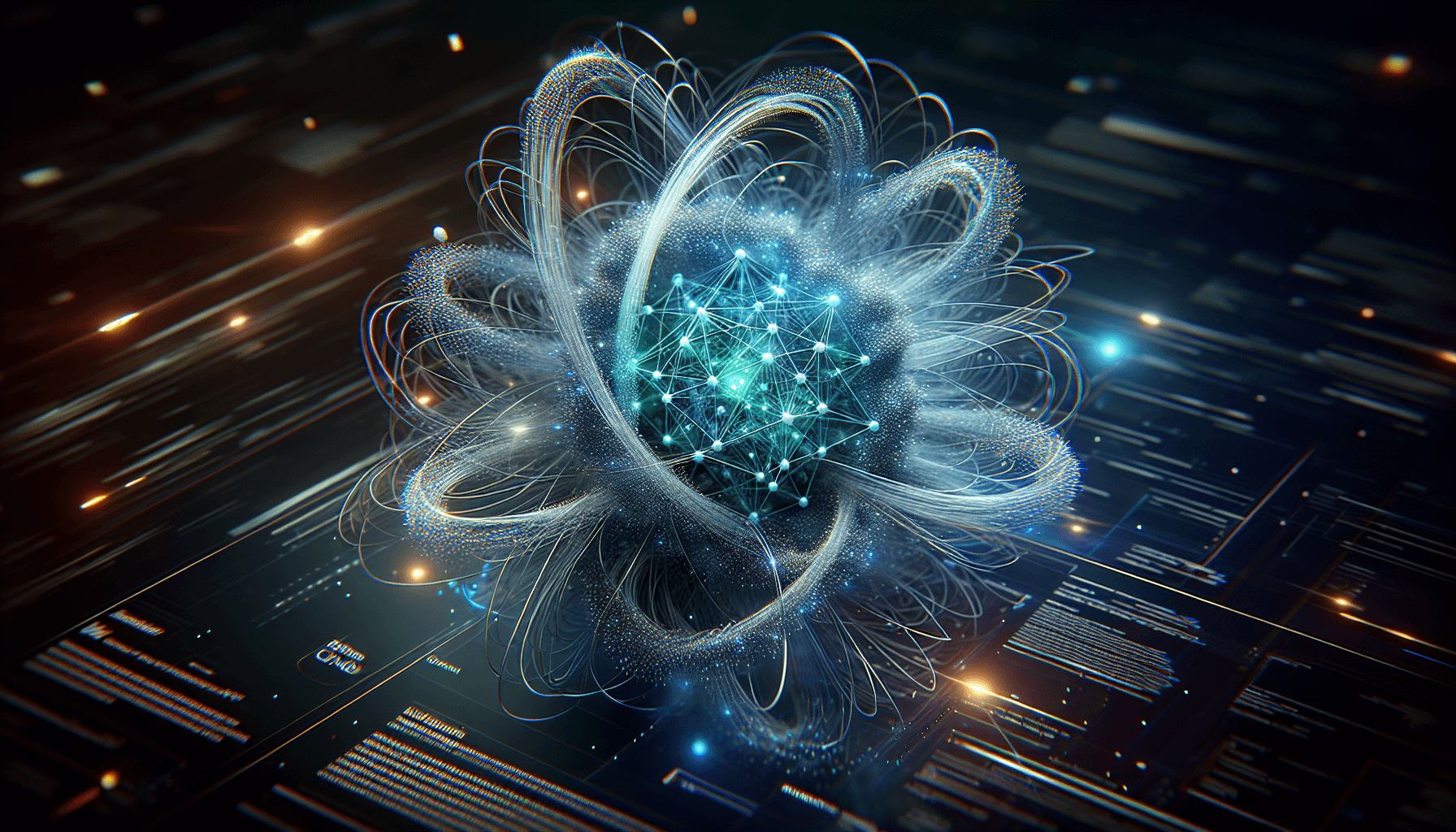
NVIDIA Propels Quantum Computing Forward with Ising: A New Era of Open AI
The convergence of artificial intelligence and quantum computing represents one of the most exciting frontiers in modern technology. Today, NVIDIA, a global leader in accelerated computing, has announced a monumental leap in this domain: the introduction of Ising, the world's first collection of open AI models specifically designed for quantum computing. This groundbreaking release is set to democratize access to powerful quantum AI tools, empowering researchers and developers worldwide to accelerate discovery and innovation.
Unlocking Quantum Potential with Open AI
At its core, the Ising model is a fundamental concept in statistical mechanics, famously used to describe magnetic systems and, more broadly, complex optimization problems. By leveraging this model, NVIDIA's new open AI models provide a robust framework for tackling challenges that are notoriously difficult for classical computers. The 'open' nature of these models is particularly significant, meaning they are accessible for public use, modification, and distribution, fostering a collaborative environment for quantum AI development.
This initiative moves beyond theoretical discussions, offering tangible tools that can be immediately applied. Developers can now experiment with quantum algorithms, simulate complex quantum phenomena, and explore novel AI architectures that harness the unique properties of quantum mechanics. This not only lowers the barrier to entry but also supercharges the pace of research in a field that is still in its nascent stages.
Why Ising Models Are a Game-Changer for Quantum AI
The Ising model's adaptability makes it a perfect candidate for quantum computing applications. It can map a wide array of real-world problems—from drug discovery and materials science to financial modeling and logistics optimization—into a format that quantum computers or quantum-inspired algorithms can process efficiently. NVIDIA's open AI models based on Ising provide:
- Accelerated Research: By providing ready-to-use models, researchers can skip foundational development and focus on applying quantum AI to specific problems.
- Democratized Access: The open-source nature ensures that advanced quantum AI capabilities are not confined to a select few institutions, but are available to a global community of innovators.
- Bridging Classical and Quantum: These models serve as a crucial bridge, allowing developers familiar with classical AI to transition more smoothly into the quantum realm.
- Enhanced Collaboration: An open framework encourages community contributions, leading to faster improvements and a wider range of applications.
NVIDIA's Vision for the Quantum Future
This launch is a testament to NVIDIA's sustained commitment to advancing quantum computing. It complements their existing ecosystem, which includes platforms like CUDA Quantum and cuQuantum SDKs, designed to provide a comprehensive suite of tools for quantum developers. By integrating these Ising-based AI models, NVIDIA is further solidifying its position at the forefront of quantum innovation, aiming to make quantum computing practical and impactful sooner rather than later.
The company envisions a future where quantum computers, augmented by intelligent AI models, can solve problems currently deemed intractable. From discovering new high-temperature superconductors to designing personalized medicines with unprecedented precision, the potential applications are vast and transformative. The Ising models are a foundational step towards realizing this ambitious vision.
The Road Ahead: Challenges and Opportunities
While the launch of open AI models like Ising is a significant stride, the quantum computing landscape still faces challenges, including hardware limitations and the need for more robust error correction. However, by making these advanced AI tools openly available, NVIDIA is fostering an environment where these challenges can be collectively addressed by a diverse and growing community of experts. The opportunities for breakthroughs in fields like quantum chemistry, cryptography, and complex systems simulation are immense.
In conclusion, NVIDIA's release of the Ising open AI models for quantum computing marks a pivotal moment. It not only provides powerful new tools for quantum exploration but also champions an open, collaborative approach that is essential for accelerating progress in this complex and rapidly evolving field. This move is poised to unlock new frontiers of scientific discovery and technological innovation, bringing the promise of quantum AI closer to reality for everyone.
How this article was made
- Sources
- Crescendo AI
- Generated on:
- Apr 19, 2026
This content is produced by Acerbo.AI's AI editorial pipeline: source gathering, rewriting and imagery are automated. Editorial oversight stays human.
Related Articles
NVIDIA Unleashes Ising: Pioneering Open AI Models for Quantum Computing
NVIDIA marks a quantum leap with the launch of Ising, the world's first open-source AI models designed specifically for quantum computing, empowering developers and researchers globally.

AI2 Unleashes Supercomputing Power: $152M Cluster Set to Revolutionize AI Research
The Allen Institute for AI (AI2) has launched a formidable computing cluster, backed by a $152 million project with Nvidia and the NSF, to accelerate groundbreaking AI research.

Google Unveils TurboQuant: A Landmark Memory Breakthrough for Large AI Models
Google's new TurboQuant technology promises to revolutionize large AI models by dramatically compressing memory usage, leading to faster training, lower costs, and broader accessibility for advanced artificial intelligence.