
Unlocking Cellular Power: How Leucine May Supercharge Mitochondria
New research reveals how the amino acid leucine could enhance mitochondrial function by safeguarding vital energy-producing proteins, potentially boosting cellular energy and metabolic health.
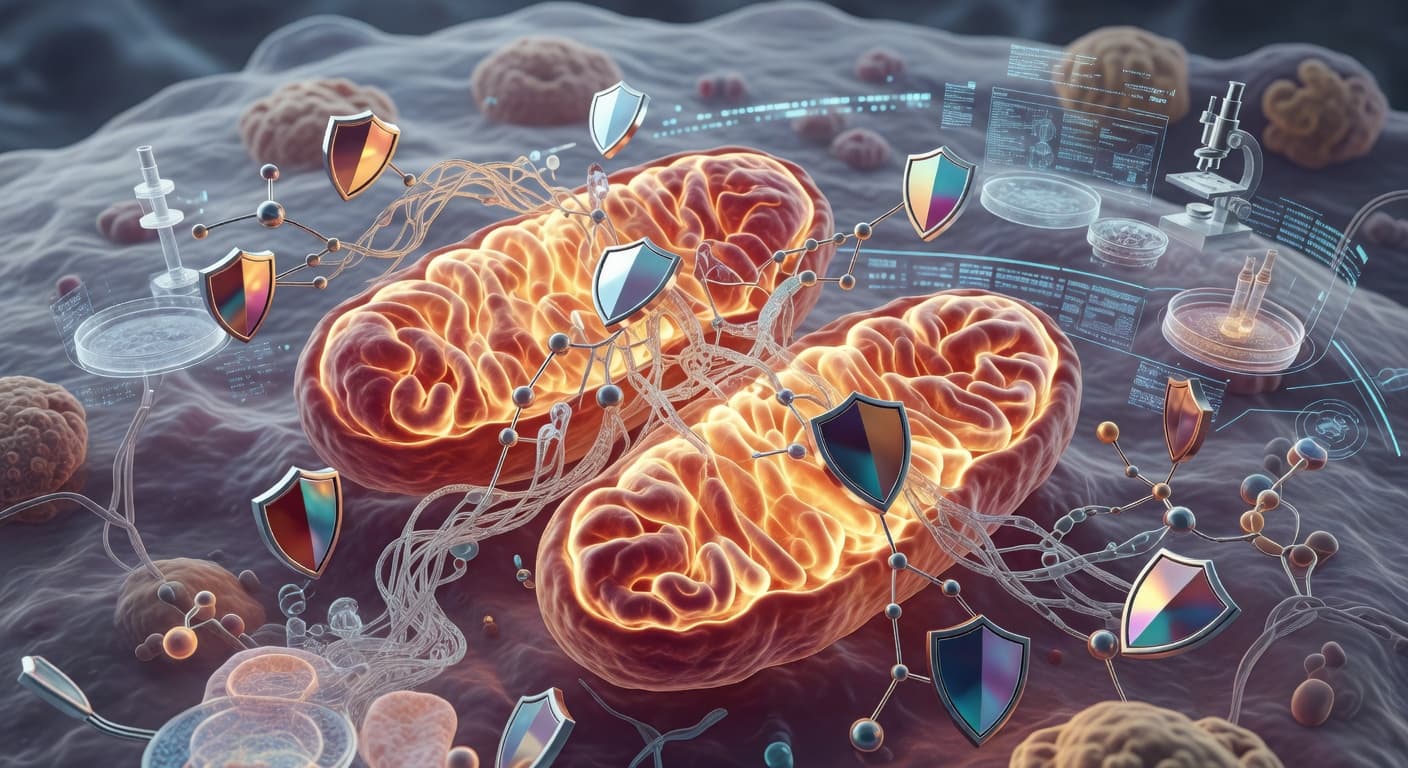
In the intricate world of cellular biology, mitochondria are often hailed as the \"powerhouses\" of our cells, tirelessly generating the energy vital for every bodily function. Now, groundbreaking research is shedding new light on how a common amino acid, leucine, might play a pivotal role in supercharging these essential organelles, not just by providing building blocks, but by actively protecting their most crucial components.
Leucine's Unexpected Role: Safeguarding Cellular Energy Factories
Unlocking Peak Mitochondrial Performance
Mitochondria are responsible for producing adenosine triphosphate (ATP), the primary energy currency of the cell. Their efficiency directly impacts everything from muscle function and brain activity to metabolic health and healthy aging. When mitochondrial function declines, it can contribute to a host of health issues. This new discovery positions leucine, a branched-chain amino acid (BCAA) widely known for its role in muscle protein synthesis, as a potential guardian of these vital energy producers.
A Protective Shield for Key Proteins
The core finding of the research highlights leucine's ability to protect key energy-producing proteins within the mitochondria. These proteins are indispensable for the complex biochemical reactions that convert nutrients into usable energy. When these proteins are compromised or degrade, mitochondrial efficiency plummets. Leucine, it appears, intervenes in this process, helping to maintain the integrity and functionality of these critical components.
This protective mechanism suggests that leucine isn't just a raw material for building muscle; it may actively contribute to the sustained optimal performance of our cellular energy infrastructure. By preventing the degradation of these vital proteins, leucine could ensure that mitochondria continue to operate at peak efficiency, thereby boosting overall cellular energy output and resilience.
Beyond Muscle: Broader Implications for Health and Metabolism
Enhancing Metabolic Health and Longevity
The implications of this research extend far beyond the realm of athletic performance. A robust and efficient mitochondrial network is fundamental for overall metabolic health. Improved mitochondrial function can lead to better glucose metabolism, enhanced fat burning, and increased cellular resilience against stress and aging.
Consider the potential ripple effects:
- Enhanced Metabolic Efficiency: Cells could become more adept at converting food into energy, potentially aiding in weight management and preventing metabolic disorders.
- Support for Healthy Aging: Maintaining mitochondrial integrity is a cornerstone of anti-aging research. Leucine’s protective role could offer a novel strategy to combat age-related decline in cellular energy.
- Improved Cellular Resilience: Stronger, more efficient mitochondria mean cells are better equipped to handle environmental stressors and recover from damage.
- Potential Therapeutic Targets: This understanding could pave the way for new therapeutic strategies for conditions linked to mitochondrial dysfunction.
The Science Unveiled: A Glimpse into the Mechanism
While the initial report from researchers doesn't delve into the precise molecular pathways, it indicates a direct protective action of leucine on specific proteins essential for mitochondrial energy production. This discovery opens up exciting avenues for further investigation into how leucine interacts at a molecular level to confer these benefits. Understanding the exact mechanisms will be crucial for translating these findings into practical applications.
It's important to remember that while promising, these findings are a foundational step. Further research, particularly in human clinical trials, will be necessary to fully understand the scope of leucine's impact and its potential applications in diet and medicine.
Future Perspectives: Harnessing Leucine's Power
This research underscores the profound impact even seemingly simple molecules can have on fundamental biological processes. Leucine, readily available in protein-rich foods like meat, dairy, eggs, and legumes, has long been recognized for its anabolic properties. Now, its potential as a mitochondrial protector adds another fascinating dimension to its health benefits.
As scientists continue to unravel the complexities of cellular energy and metabolism, the role of leucine in safeguarding mitochondrial proteins presents an exciting frontier. This initial report from researchers points towards a future where optimizing cellular powerhouses through targeted nutritional strategies could become a key component of maintaining vitality, combating disease, and promoting overall well-being for an international English-speaking audience.
How this article was made
- Sources
- ScienceDaily
- Generated on:
- May 22, 2026
This content is produced by Acerbo.AI's AI editorial pipeline: source gathering, rewriting and imagery are automated. Editorial oversight stays human.
Related Articles

Unlocking the Brain's Secret Shield: New Nutrient Discovery Fights Cancer
Scientists end a 30-year quest, identifying a hidden nutrient, dubbed 'NeuroShield Factor,' crucial for powerful brain protection and a potent weapon against various cancers.
mRNA Cancer Vaccines Unleash a Surprise Immune Ally for Potent Tumor Defense
Groundbreaking research reveals mRNA cancer vaccines recruit an 'unexpected' immune cell, significantly amplifying the body's ability to fight and eliminate tumors. This discovery opens new avenues for advanced cancer treatments.

Beyond the Brink: Scientists Discover Surprising New Mechanism in Cell Death
Groundbreaking research has unveiled an unexpected twist in the intricate process of cell death, challenging long-held biological assumptions and opening new avenues for understanding disease.