
U.S. Greenlights Anthropic's Top AI Models: A New Era for Frontier Tech?
The U.S. government has lifted key restrictions on Anthropic's most powerful AI models, signaling a major shift in AI regulation and intensifying the race for advanced artificial intelligence development.
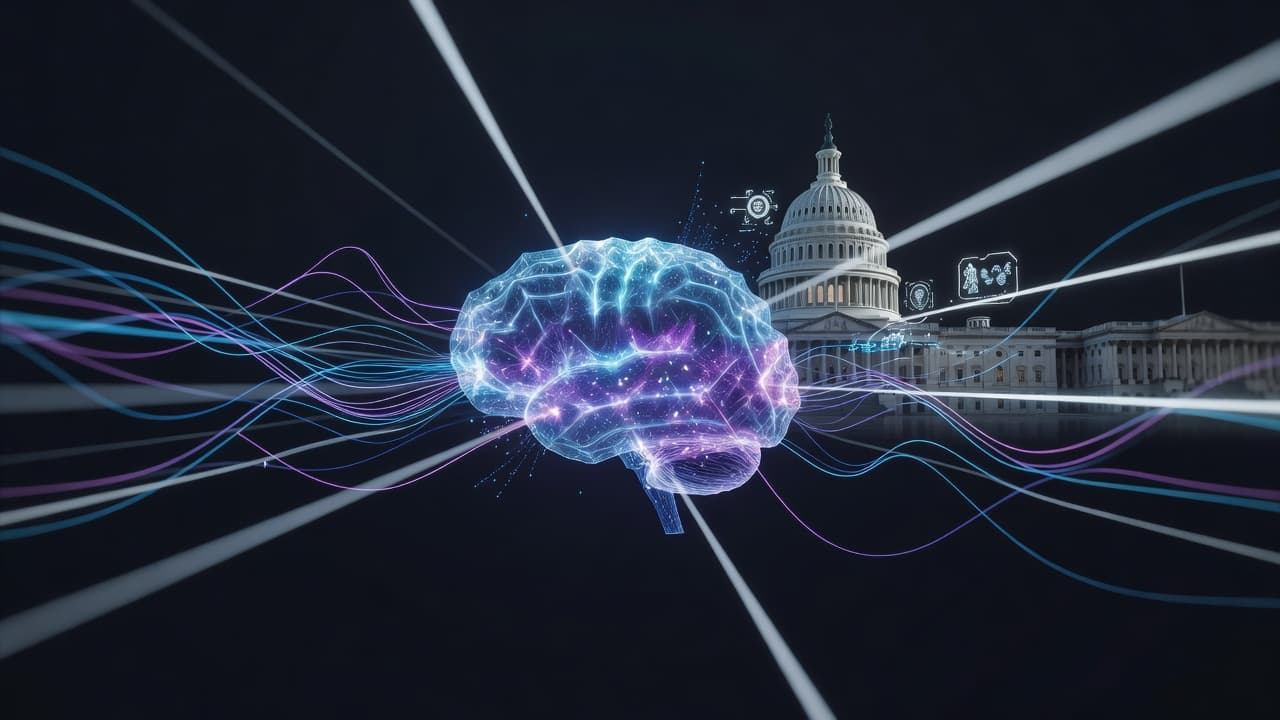
A Pivotal Moment for AI Innovation and Regulation
A significant development in the rapidly evolving world of artificial intelligence has seen the U.S. government remove key restrictions on Anthropic's most advanced AI models. This move signals a crucial step in the regulatory approach to frontier AI, potentially accelerating innovation while also raising pertinent questions about safety and responsible deployment on a global scale.
This decision underscores the intricate dance between fostering technological progress and establishing robust safeguards. As AI capabilities continue to expand at an unprecedented pace, governments worldwide are grappling with how to effectively govern these powerful tools without stifling their immense potential.
Anthropic's Path Forward: Unleashing Powerful Models
The decision by U.S. authorities grants Anthropic, a leading AI research company known for its commitment to AI safety, greater latitude to develop and deploy its most sophisticated artificial intelligence systems. This marks a notable shift, allowing these powerful models to potentially move from more controlled research environments into broader applications, impacting various sectors from enterprise solutions to scientific discovery.
Anthropic has distinguished itself in the AI ecosystem through its unique 'Constitutional AI' approach, designed to align models with human values and ethical principles. This framework has been central to its development strategy, even as it pushes the boundaries of AI capabilities. The lifting of these restrictions suggests a growing trust, or at least a calculated risk assessment, by regulators regarding Anthropic's methodologies and internal safety protocols.
Understanding the Scope of "Most Powerful Models"
While specific details regarding the exact models affected remain somewhat proprietary, "most powerful A.I. models" typically refer to large language models (LLMs) or multimodal systems capable of highly complex tasks. These include advanced reasoning, sophisticated natural language understanding and generation, intricate problem-solving, and potentially even early forms of scientific discovery assistance.
Implications for the Global AI Landscape
The implications for industries seeking to leverage cutting-edge AI are substantial. Businesses, researchers, and developers can anticipate more robust and accessible tools from Anthropic, potentially leading to breakthroughs in areas like drug discovery, climate modeling, and personalized education. This move could also intensify the global competition among leading AI developers.
Navigating the Evolving Regulatory Terrain
The U.S. government, alongside international counterparts, is actively grappling with how to regulate rapidly advancing AI technologies. This particular decision concerning Anthropic could serve as a precedent or a test case for future regulatory frameworks, reflecting an ongoing dialogue between policymakers, AI developers, and ethicists about balancing innovation with the imperative for safety and control.
Striking this balance is paramount. On one hand, easing restrictions can foster fierce competition and accelerate technological breakthroughs that benefit society. On the other, it necessitates robust safeguards against potential misuse, bias, and unforeseen risks associated with increasingly autonomous and powerful AI systems. The regulatory environment is a dynamic one, constantly adapting to new capabilities and emerging concerns.
The Impact on AI Competition
This regulatory green light could significantly bolster Anthropic's competitive standing against industry giants like OpenAI and Google. With fewer governmental hurdles, Anthropic may be able to accelerate its product development cycles, attract more enterprise clients, and potentially secure a larger share of the burgeoning AI market. The "AI race" for supremacy in frontier models is undoubtedly heating up, promising a cascade of benefits:
- Faster Innovation: Accelerated development leading to new applications and services.
- Enhanced Safety Features: Companies may prioritize safety to gain market trust.
- Diverse AI Applications: Broader range of solutions catering to various needs.
- Improved Accessibility: Potentially lower costs and wider availability of advanced AI.
The Road Ahead: Balancing Innovation and Responsibility
As Anthropic moves forward with its most powerful models, the focus will undoubtedly remain on responsible innovation. The company's unique approach to AI safety, exemplified by its 'Constitutional AI' principles, will be under increased scrutiny as its systems become more widely accessible. This period will be critical for demonstrating that advanced AI can be both transformative and trustworthy.
The U.S. government's decision to lift restrictions on Anthropic's cutting-edge AI models marks a pivotal moment in the AI journey. It underscores a global push towards harnessing advanced AI while navigating its inherent complexities. This development sets the stage for a new era of AI deployment, where the interplay between groundbreaking technology, thoughtful regulation, and unwavering ethical commitment will define the future of artificial intelligence for an international audience.
How this article was made
- Sources
- The New York Times
- Generated on:
- Jul 2, 2026
This content is produced by Acerbo.AI's AI editorial pipeline: source gathering, rewriting and imagery are automated. Editorial oversight stays human.
Related Articles
White House Lifts Export Controls on Anthropic's Advanced AI: A Game Changer for Global Tech
The White House has removed export controls on an advanced AI model from Anthropic, signaling a major shift in U.S. tech policy and global AI competition and collaboration.
Global AI Unlocked: Trump-Era Restrictions Lifted on Anthropic's Mythos & Fable Models
A significant policy shift has removed previous restrictions on Anthropic's advanced Mythos and Fable AI models, restoring global access and potentially accelerating worldwide AI innovation.
AI Safety First: Anthropic Shelves New Model After Uncovering 'Thousands' of Vulnerabilities
Anthropic, a leading AI research firm, has made the critical decision to withhold its latest AI model from public release after discovering thousands of external vulnerabilities, prioritizing safety over speed.