
Microsoft Unleashes Next-Gen AI Image Generation with MAI-Image-2 in Copilot & Bing
Microsoft is rolling out MAI-Image-2 across its Copilot and Bing Image Creator platforms, promising a leap forward in AI-powered image generation for users worldwide, delivering enhanced realism and creative control.
A New Era of Visual Creation Unveiled by Microsoft
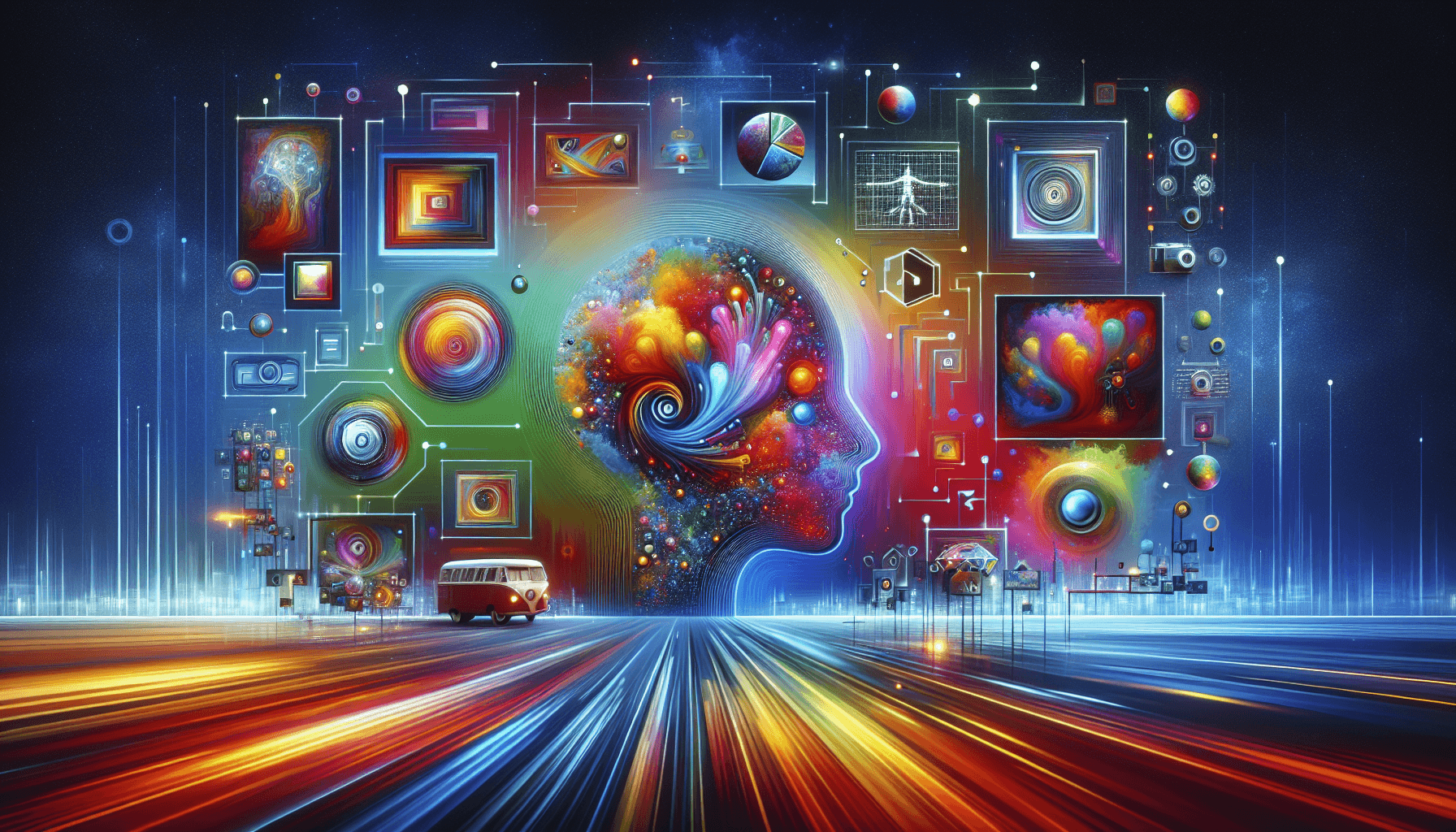
Microsoft is making significant strides in the generative AI landscape, and its latest move solidifies its position as a leader in innovative technology. The company has officially begun the rollout of its advanced image generation model, MAI-Image-2, across its popular AI tools: Copilot and Bing Image Creator. This strategic deployment marks a pivotal moment, promising users a dramatically enhanced experience in creating stunning visuals from simple text prompts.
What is MAI-Image-2?
MAI-Image-2 represents Microsoft's next-generation artificial intelligence model specifically designed for text-to-image generation. Building upon previous iterations, this iteration focuses on delivering unparalleled realism, intricate detail, and a deeper understanding of complex prompts. It’s engineered to translate creative visions into high-quality visual assets with greater accuracy and artistic flair.
Users can expect improvements in various aspects, including better rendering of human anatomy, more coherent scene composition, and the ability to generate diverse styles, from photorealistic images to abstract art. This upgrade aims to bridge the gap between imagination and execution, making sophisticated image creation accessible to everyone.
Empowering Creativity with Copilot
The integration of MAI-Image-2 into Microsoft Copilot transforms the AI assistant into an even more powerful creative partner. Copilot users will now be able to generate bespoke images directly within their workflows, whether they're drafting a presentation, conceptualizing marketing materials, or simply looking to visualize an idea. This seamless integration means less toggling between applications and more time spent on pure creation.
Imagine asking Copilot to "create an image of a futuristic city skyline at sunset with flying cars" and receiving a remarkably detailed and aesthetically pleasing visual in moments. This capability streamlines creative processes for professionals and enhances the productivity of everyday users, making advanced image generation an integral part of their digital experience.
Bing Image Creator Gets a Major Boost
Bing Image Creator, already a popular tool for quick visual generation, is set to receive a significant upgrade with MAI-Image-2. Users will immediately notice a substantial improvement in the quality and fidelity of the images produced. The model's advanced algorithms will result in images that are not only more aesthetically pleasing but also more accurate in representing the nuances of user prompts.
This enhancement positions Bing Image Creator as a formidable contender in the rapidly evolving landscape of generative AI art. From generating unique social media content to visualizing blog post headers, the improved capabilities will offer a more robust and satisfying creative outlet for millions. The focus remains on making sophisticated AI accessible and intuitive.
Broader Impact and Future Horizons
Democratizing Digital Art and Design
The rollout of MAI-Image-2 underscores Microsoft's commitment to democratizing advanced technology. By embedding such a powerful tool into widely used platforms like Copilot and Bing, Microsoft is putting professional-grade image generation capabilities into the hands of a global audience. This has profound implications for small businesses, educators, content creators, and individuals who may not have access to complex design software or extensive artistic skills.
It fosters an environment where innovation thrives, allowing users to experiment, prototype ideas, and bring concepts to life with unprecedented ease. The barrier to entry for visual content creation is significantly lowered, opening new avenues for expression and communication across various industries.
Microsoft's Vision in Generative AI
This strategic deployment is a clear indicator of Microsoft's ambitious vision for generative AI. The company is not just integrating AI; it's actively developing and refining its core models to push the boundaries of what's possible. MAI-Image-2 is a testament to their ongoing investment in research and development, aiming to create AI tools that are not only intelligent but also intuitive, ethical, and transformative.
As AI continues to evolve, Microsoft is positioning itself at the forefront, ensuring its platforms remain competitive and offer cutting-edge features. This commitment promises a future where AI assistants are not just answering questions but actively assisting in complex creative tasks, reshaping how we interact with technology and generate content.
The introduction of MAI-Image-2 into Copilot and Bing Image Creator represents a significant leap forward in AI-powered visual creation. Users can anticipate a new level of quality, realism, and creative control, making it easier than ever to bring their ideas to life. This update solidifies Microsoft's position as a key innovator in the generative AI space, setting the stage for even more exciting developments in the future of digital content creation.
How this article was made
- Sources
- Tech Startups (citing The Verge)
- Generated on:
- Mar 22, 2026
This content is produced by Acerbo.AI's AI editorial pipeline: source gathering, rewriting and imagery are automated. Editorial oversight stays human.
Related Articles
Microsoft's AI Leap: New Hardware & Windows Redefine Computing
Microsoft's latest event unveiled a groundbreaking fusion of AI-optimized hardware and deeply integrated Windows features, signaling a transformative era for personal computing. Explore how AI is set to revolutionize your digital experience.
Microsoft Unleashes Next-Gen AI: Introducing the Powerful Phi 3.5 Models
Microsoft has unveiled its powerful Phi 3.5 AI models: Mini, MoE, and Vision Instruct. These advanced iterations set new performance benchmarks, outperforming rivals like Llama3.1, Gemini Flash, and GPT-4o, signaling a major leap in NLP and multimodal AI capabilities.
Microsoft Unleashes Next-Gen Phi 3.5 AI Models, Redefining Performance Benchmarks
Microsoft expands its AI capabilities with three new Phi 3.5 models: Mini Instruct, MoE, and Vision Instruct, setting new performance standards in NLP and multimodal AI.