
Revolutionary Breakthrough: Scientists Uncover New Method to Destroy PFAS 'Forever Chemicals'
Scientists have announced a groundbreaking discovery, unveiling a novel chemical method to effectively break down PFAS, the notorious 'forever chemicals' that pollute our planet.
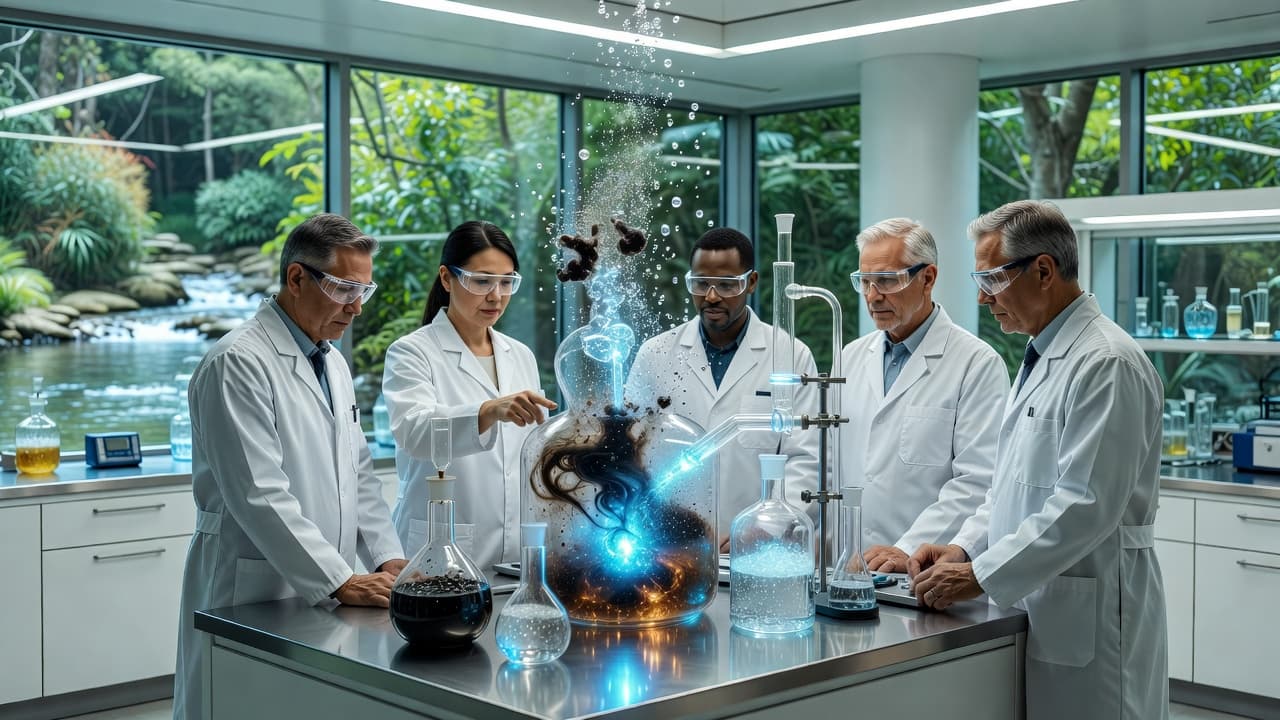
The End of 'Forever'? A Breakthrough in Tackling PFAS
The shadow of "forever chemicals," or PFAS (Per- and polyfluoroalkyl substances), has loomed large over our planet for decades, contaminating water sources, soil, and even human bodies. These persistent synthetic compounds, renowned for their non-stick and water-resistant properties, have proven notoriously difficult to eradicate. Now, a groundbreaking scientific discovery offers a beacon of hope, revealing a novel method that could revolutionize our approach to neutralizing these pervasive pollutants.
Understanding the Persistent Threat of PFAS
Per- and polyfluoroalkyl substances (PFAS) are a class of thousands of human-made chemicals used widely since the 1940s. They are found in an astonishing array of products, from non-stick cookware and water-repellent clothing to food packaging and firefighting foams. Their unique chemical structure, particularly the incredibly strong carbon-fluorine bonds, makes them highly resistant to degradation in nature, earning them the infamous moniker "forever chemicals."
This extreme persistence means PFAS accumulate in the environment and living organisms, including humans, posing significant long-term health risks. Scientific studies have linked exposure to PFAS with potential health concerns such as certain cancers, immune system dysfunction, liver damage, and developmental issues in children. Addressing this widespread contamination has become one of the most pressing environmental challenges of our time.
Unlocking the "Forever" Bond: The Innovative Chemical Breakthrough
For years, scientists have grappled with the challenge of breaking down PFAS effectively and efficiently. Traditional methods often involve high-temperature incineration, which is energy-intensive and can sometimes release other harmful byproducts, or filtration, which only moves the problem elsewhere. This new research, however, introduces a novel chemical pathway that directly targets and severs the formidable carbon-fluorine bonds, effectively dismantling the very backbone of these persistent compounds.
While specific details of the exact chemical process are still emerging, the core innovation lies in identifying a reaction that can overcome the immense stability of these bonds under relatively mild conditions. This represents a significant departure from previous, more energy-intensive approaches, making it a potentially scalable and sustainable solution for PFAS destruction rather than mere containment.
A Cleaner Planet on the Horizon: Implications for Environmental Remediation
The implications of this discovery are profound. Imagine a future where contaminated water supplies can be effectively treated, industrial waste streams purified, and polluted soil remediated without resorting to costly and often insufficient measures. This new method holds the promise of transforming environmental cleanup efforts, offering a genuine pathway to destroy PFAS rather than just isolating them.
This advancement could significantly reduce human exposure to these harmful chemicals, leading to improved public health outcomes globally. Potential applications include municipal drinking water treatment, remediation of industrial sites, and even developing new technologies for consumer product lifecycle management to prevent further contamination.
From Lab to Global Solution: The Road Ahead
While incredibly promising, this breakthrough is currently a laboratory success. The next crucial steps involve scaling up the process, assessing its economic viability, and ensuring its applicability across diverse environmental matrices. Researchers will need to explore its effectiveness on various types of PFAS, optimize reaction conditions, and develop robust systems for real-world implementation.
The journey from a scientific paper to widespread deployment will be challenging, requiring further investment and collaborative efforts. However, this discovery lays a vital foundation for a cleaner, healthier future, providing a tangible tool in the ongoing battle against these pervasive pollutants.
A New Era in Environmental Science
The battle against PFAS has been an uphill one, but this latest scientific triumph injects renewed optimism into the fight. By finding a new, potentially efficient way to break down these "forever chemicals," scientists have opened a critical door towards mitigating a global environmental crisis. This innovative approach represents a significant leap forward, offering a tangible hope for ridding our planet of these persistent pollutants and safeguarding public health for generations to come. It marks a potential new era in environmental science and remediation.
How this article was made
- Sources
- ScienceDaily
- Generated on:
- Jun 22, 2026
This content is produced by Acerbo.AI's AI editorial pipeline: source gathering, rewriting and imagery are automated. Editorial oversight stays human.
Related Articles
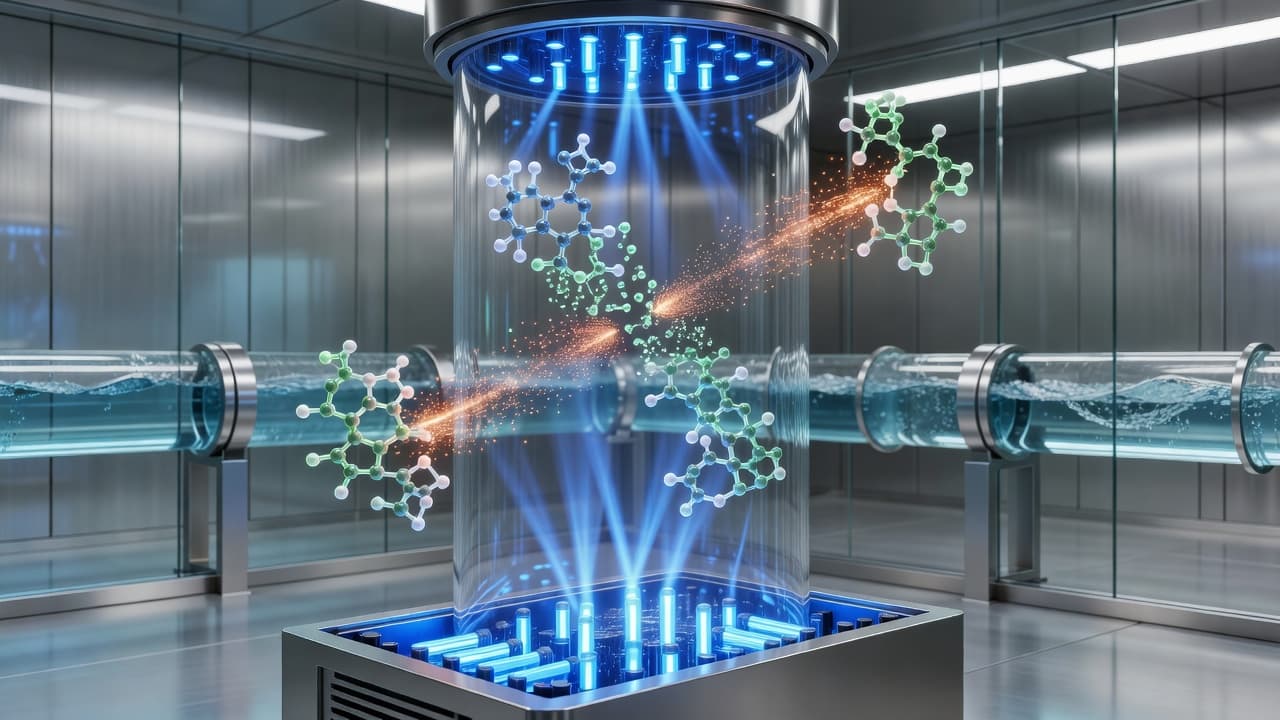
Scientists Unveil Breakthrough: UV Light and Hydrogen Radicals Destroy PFAS 'Forever Chemicals'
A groundbreaking new method utilizes UV-generated hydrogen radicals to effectively break down persistent PFAS 'forever chemicals,' offering a beacon of hope for environmental remediation.
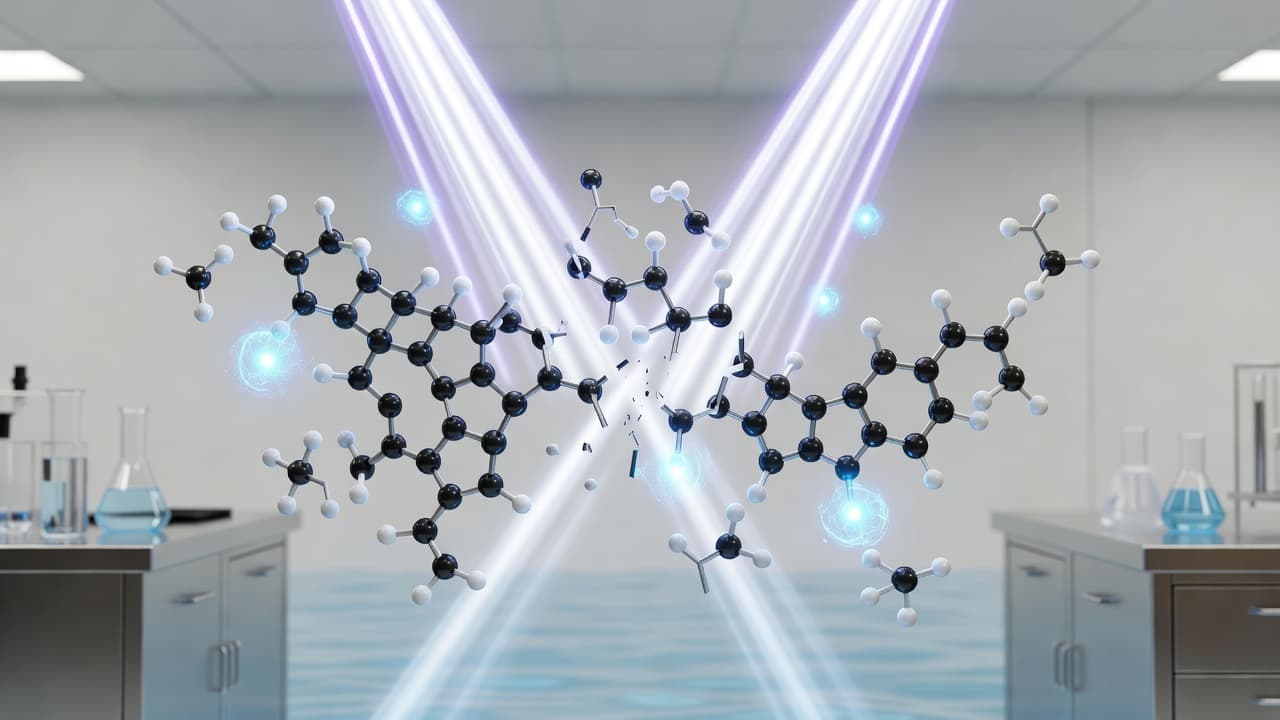
Breaking the 'Forever' Bond: Scientists Harness UV Light to Destroy Stubborn PFAS Chemicals
A groundbreaking study unveils a novel method using intense UV light and hydrogen radicals to finally break down PFAS 'forever chemicals,' offering a beacon of hope in the fight against widespread environmental contamination.

Game-Changing Breakthrough: New Method Promises Affordable Green Hydrogen for a Cleaner Future
A revolutionary new hydrogen production method could drastically cut costs and simplify generation, paving the way for widespread adoption of clean fuel and accelerating the global energy transition.