
“Trojan Horse” Breakthrough: New Obesity Drug Targets Fat Cells for Dramatic Weight Loss
A groundbreaking 'Trojan horse' drug is showing unprecedented success in early trials, directly targeting fat cells to achieve significant weight loss, potentially transforming obesity treatment globally.
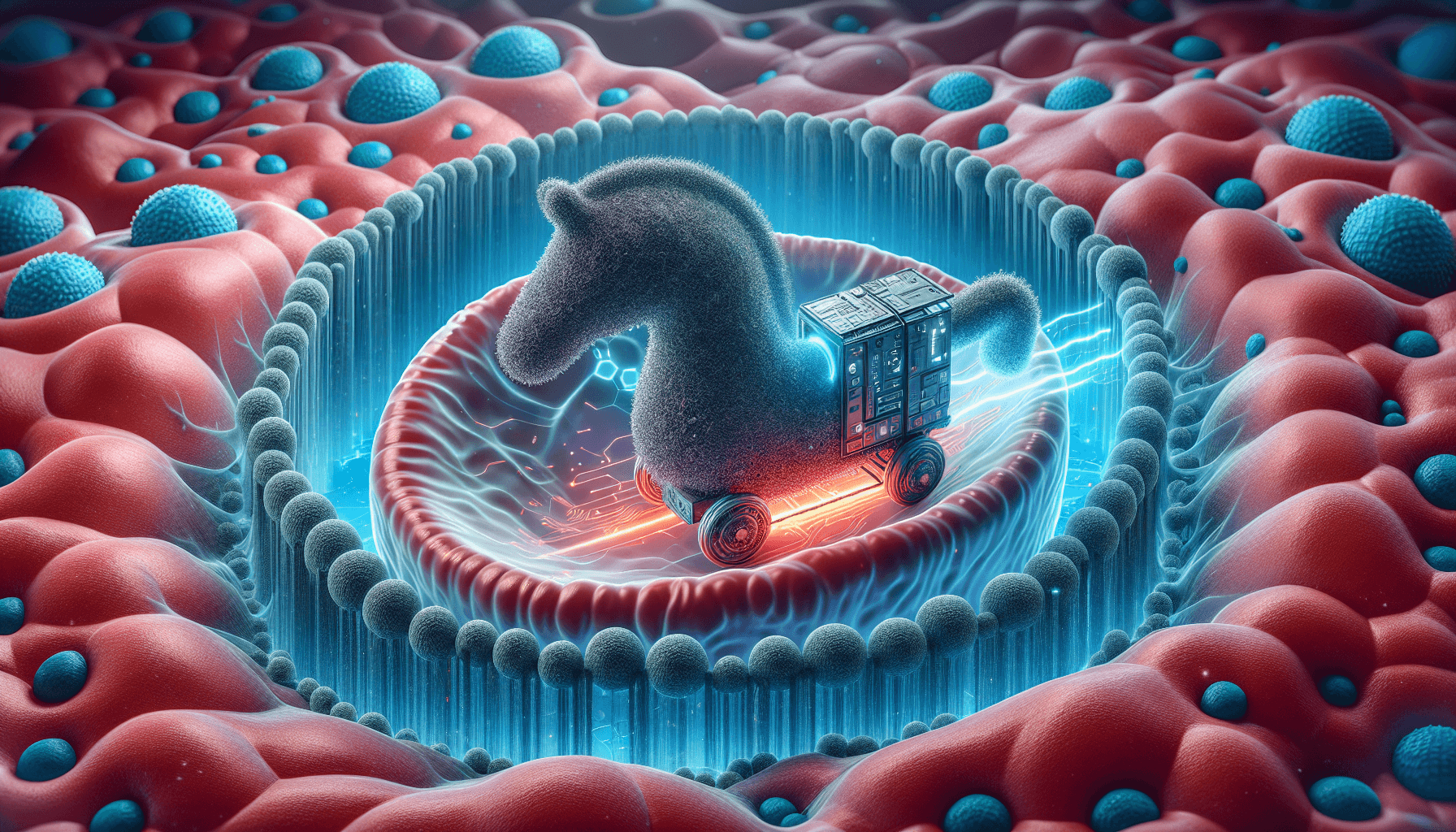
A New Dawn in Weight Loss: The "Trojan Horse" Revolution
The global fight against obesity, a complex chronic disease affecting millions, may be on the cusp of a significant breakthrough. Early test results for a novel drug, ingeniously dubbed the "Trojan Horse" due to its unique mechanism, reveal unprecedented potential for dramatic weight loss. This innovative approach promises to revolutionize how we tackle excess weight, offering new hope to individuals seeking effective and sustainable solutions.
For decades, researchers have sought more targeted therapies beyond broad metabolic interventions. This new drug represents a paradigm shift, focusing on precision delivery to critical sites. Its initial success signals a potential turning point in public health, moving beyond traditional methods to a more sophisticated, cell-specific strategy.
Unmasking the "Trojan Horse" Mechanism
At the heart of this groundbreaking treatment lies its clever "Trojan Horse" strategy. The drug is engineered to selectively infiltrate fat cells, or adipocytes, delivering a therapeutic payload directly where it's needed most. Unlike conventional treatments that might affect various bodily systems, this targeted delivery minimizes off-target effects and maximizes efficacy within the adipose tissue itself.
The mechanism involves a specialized molecular carrier that mimics natural compounds recognized by fat cells. Once inside, this carrier releases an active agent designed to either reduce the cell's capacity to store fat or induce its programmed self-destruction, effectively shrinking fat deposits from within. This intelligent design ensures that the therapeutic action is concentrated on the very cells responsible for weight gain.
Precision Targeting: Beyond Traditional Approaches
What sets this "Trojan Horse" drug apart is its unparalleled precision. Existing weight loss medications often work by suppressing appetite, altering nutrient absorption, or boosting metabolism systemically. While effective for some, these broader approaches can come with a range of side effects and may not always address the root cellular mechanisms of fat accumulation.
This new drug, by contrast, acts like a highly trained special forces unit, directly engaging the enemy (excess fat) at its source. This targeted precision not only promises superior efficacy but also potentially a safer profile, as healthy cells remain largely untouched. It represents a sophisticated leap forward in pharmacological intervention for metabolic health.
Early Trials Spark Optimism
The initial tests of this "Trojan Horse" drug have generated considerable excitement within the scientific community. While specific data is still under review, early indications point to a significant reduction in body weight among participants, surpassing outcomes observed with many current therapies. Researchers are particularly encouraged by the consistency and magnitude of the weight loss achieved.
Beyond just shedding pounds, preliminary findings also suggest improvements in key metabolic markers associated with obesity, such as blood glucose levels and insulin sensitivity. These secondary benefits underscore the drug's potential not just as a weight-loss agent, but as a comprehensive treatment for metabolic syndrome, a cluster of conditions that increase the risk of heart disease, stroke, and type 2 diabetes.
Transforming the Landscape of Obesity Treatment
Should these promising early results hold up in larger, more extensive clinical trials, the "Trojan Horse" drug could fundamentally alter the landscape of obesity treatment. It offers a new, highly effective option for individuals who have struggled to achieve sustainable weight loss through diet, exercise, or existing medications. Its precision mechanism could also pave the way for personalized medicine approaches, tailoring treatment based on individual cellular profiles.
The broader implications for public health are immense. Reducing the prevalence of obesity could significantly alleviate the burden on healthcare systems worldwide, lessening the incidence of associated chronic diseases. This drug represents not just a new pill, but a new philosophy in treating a complex condition that impacts global well-being.
The Road Ahead: From Promise to Prescription
While the early data is undeniably exciting, it's crucial to remember that this drug is still in its developmental stages. Further rigorous clinical trials are essential to fully assess its long-term efficacy, safety profile, and suitability for widespread use. These subsequent phases will involve larger patient cohorts and extended observation periods to ensure its robustness and reliability.
Nevertheless, the initial findings from this "Trojan Horse" obesity drug offer a powerful beacon of hope. It underscores the incredible potential of targeted biotechnology to address some of humanity's most persistent health challenges. The scientific community eagerly anticipates the next steps in its journey from laboratory breakthrough to a potentially life-changing prescription.
How this article was made
- Sources
- ScienceDaily
- Generated on:
- May 7, 2026
This content is produced by Acerbo.AI's AI editorial pipeline: source gathering, rewriting and imagery are automated. Editorial oversight stays human.
Related Articles
Dual Triumph: Groundbreaking Discoveries Propel Fight Against Neurological Disorders and Cancer
Two pioneering research efforts are making waves in medicine, unveiling significant progress in understanding and combating complex neurological conditions and various forms of cancer. These discoveries mark a pivotal moment for global health.

Revolutionary Strides: Two Groundbreaking Discoveries Reshape Neurological and Cancer Treatments
Recent scientific advancements promise to transform the landscape of neurological disorder and cancer treatment, offering new hope through innovative therapies and deeper biological understanding.

Dual Victory: Groundbreaking Discoveries Transform Neurological Disorder and Cancer Treatment Prospects
Two monumental scientific breakthroughs are poised to revolutionize the fight against neurological disorders and cancer, offering new hope and pathways for advanced therapies.